 Valex Motor
Precision Haptic Feedback Components for Bay Area Innovators
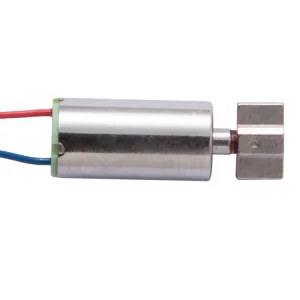
Low Power 1.5v 6mm Dc Micro Vibrating Motor for Machine Toy
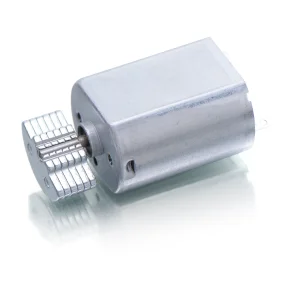
China SFF-130SA 6v Dc Vibration Motor Carbon Brushes
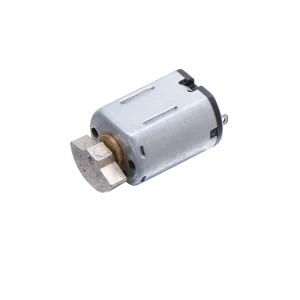
I. The Silicon Valley Hardware Paradigm: Micro Vibration Motors in San Francisco
The San Francisco Bay Area—stretching from the R&D labs of SoMa and Mission Bay to the silicon foundries of San Jose—stands as the global epicenter for hardware prototyping and product integration. In this fast-paced ecosystem, the demand for precision-engineered components has shifted from basic structural mechanisms to highly complex, tactile human-machine interfaces. DC Micro Vibration Motors have emerged as foundational building blocks for haptic feedback loops in next-generation medical devices, wearable biosensors, ruggedized industrial sensors, and consumer wellness products developed by Silicon Valley tech firms.
Hardware engineering groups in San Francisco face a dual challenge: extreme spatial constraints and the necessity for highly customized kinetic profiles. A micro vibrating motor is no longer just a source of unregulated kinetic force; it is an informational transmitter. Our company partners with engineering teams across South San Francisco, Berkeley, and Sunnyvale, providing custom-configured motor shafts, eccentric weights, and winding resistances that align perfectly with the target device’s structural acoustics and micro-controller circuitry. By designing specifically for the local Bay Area market, we ensure your engineering prototypes transition smoothly into high-yield, zero-defect mass production.
II. Global & Regional Markets: Analyzing Haptic Integration Demand
The global micro vibration motor market is experiencing massive growth, driven by the expansion of the Internet of Medical Things (IoMT) and immersive VR/AR controllers. From an international logistics perspective, high-tech firms in Europe and North America demand rapid, flexible supplier supply chains. Valex Motor addresses this demand by offering direct-from-factory communication channels, eliminating intermediary markup while guaranteeing robust quality assurance systems.
In local markets like the San Francisco Bay Area, development teams run on sprint models where a delay in motor supply chains halts multi-million dollar venture-backed projects. By focusing on rapid custom prototyping and offering transparent engineering data (such as RPM curves under varying loads, starting voltages, and thermal resistance values), we serve as a key partner for procurement directors. Rather than relying on generic off-the-shelf components, San Francisco companies can configure actuators to match the exact resonance frequency of their device enclosure, achieving maximum tactile acceleration with minimal battery draw.
III. Guangdong Manufacturing & Automation Advantages
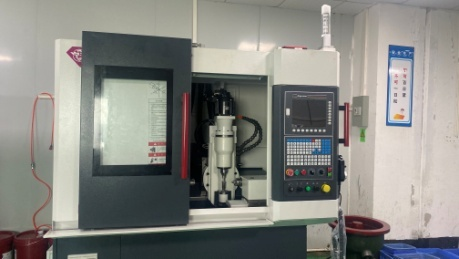
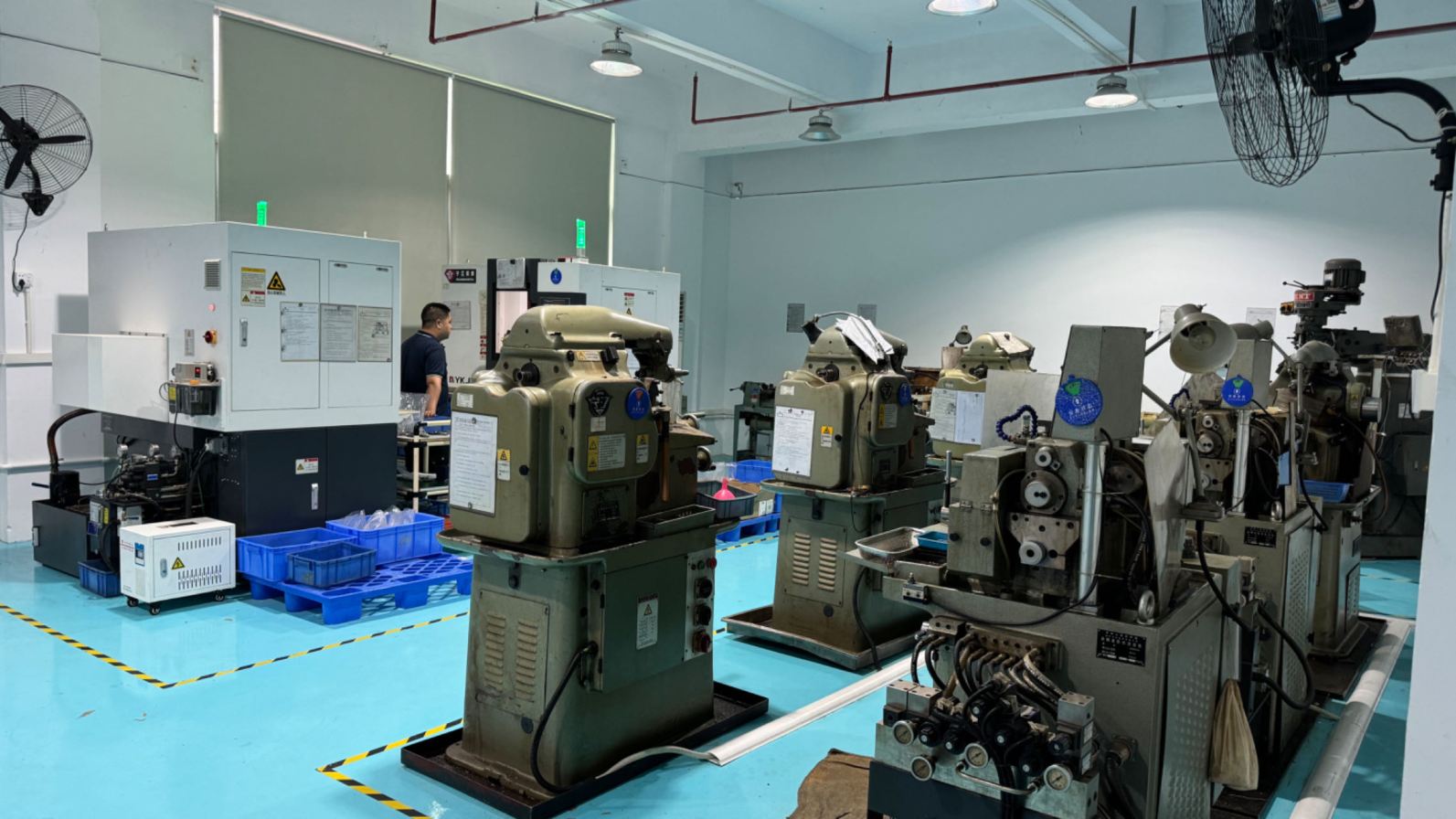
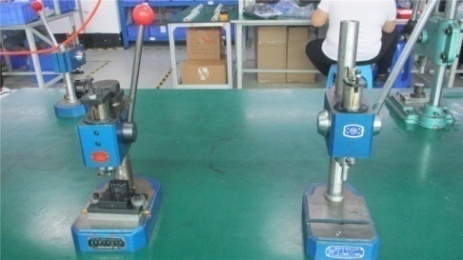
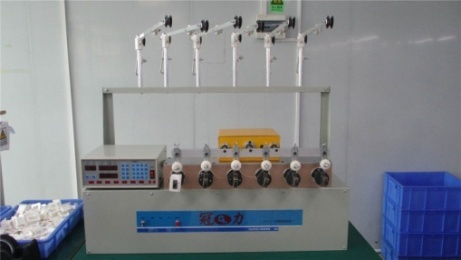
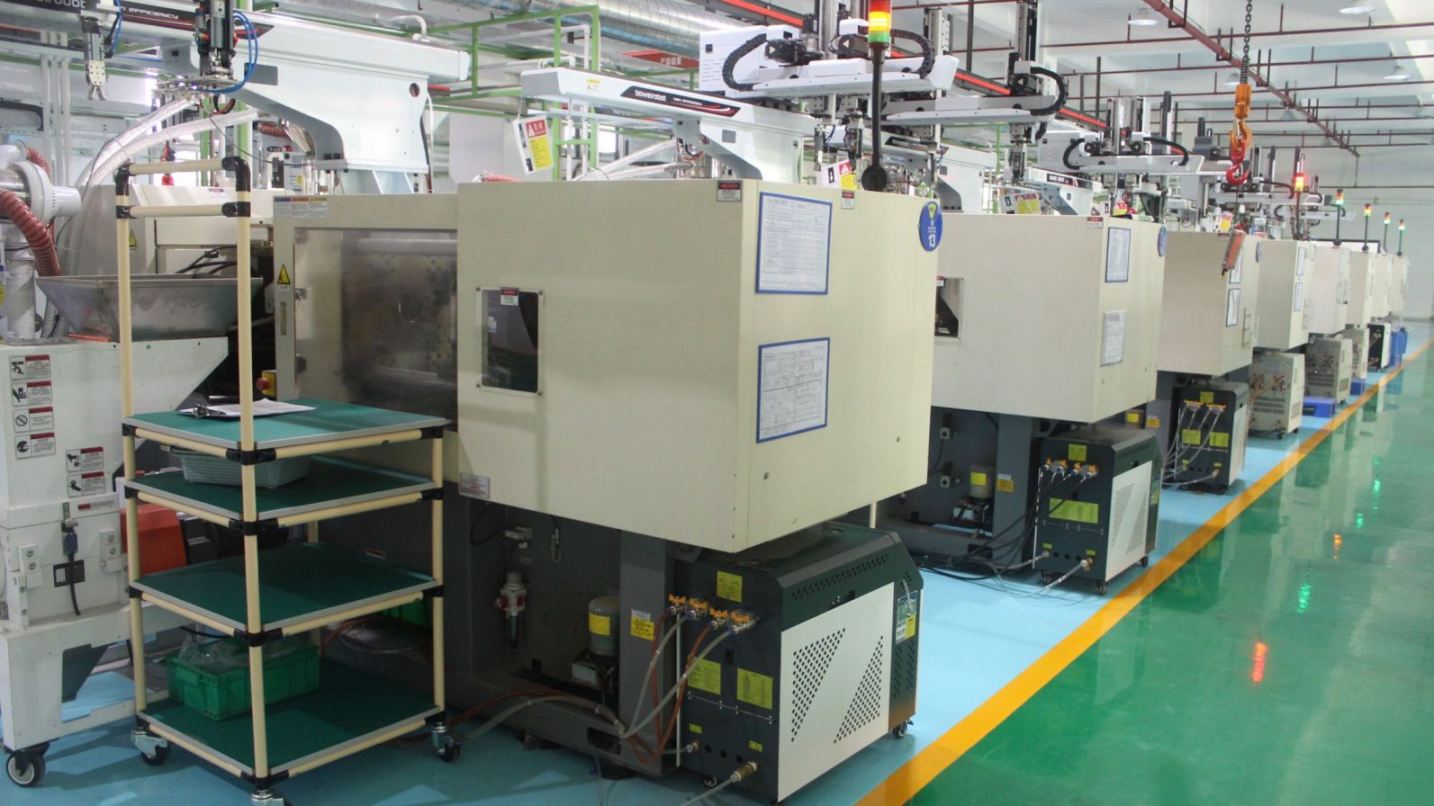
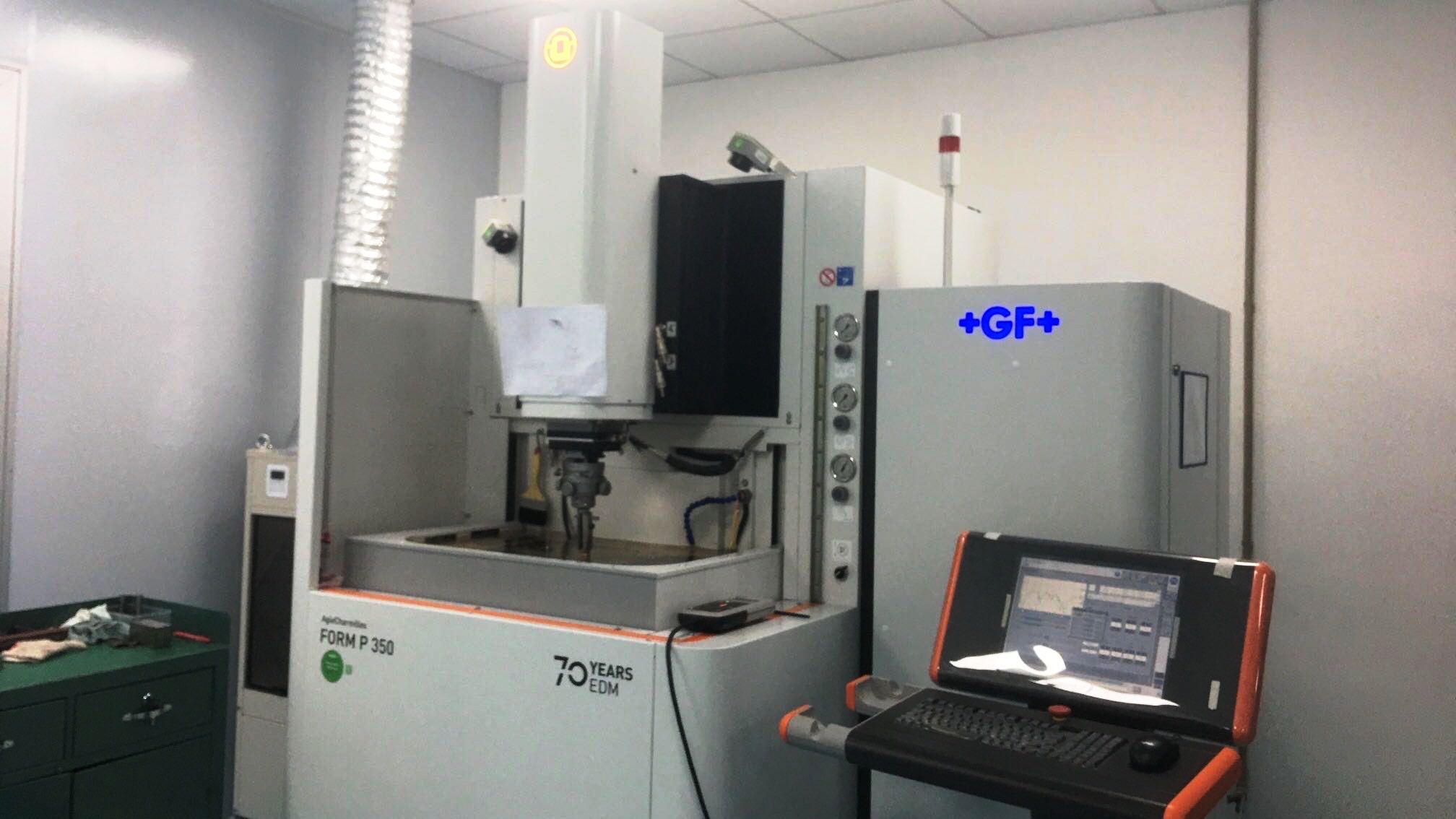
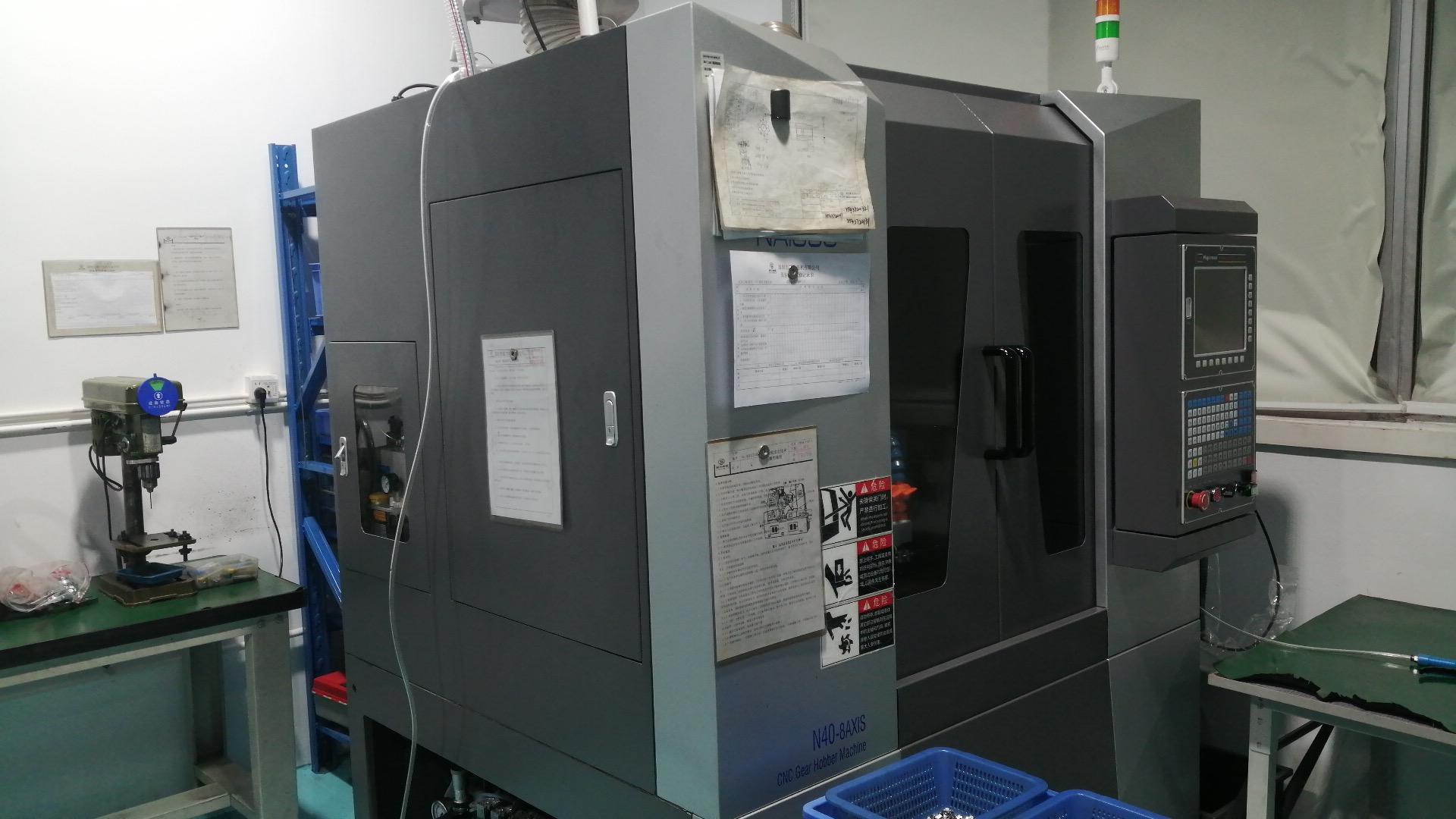
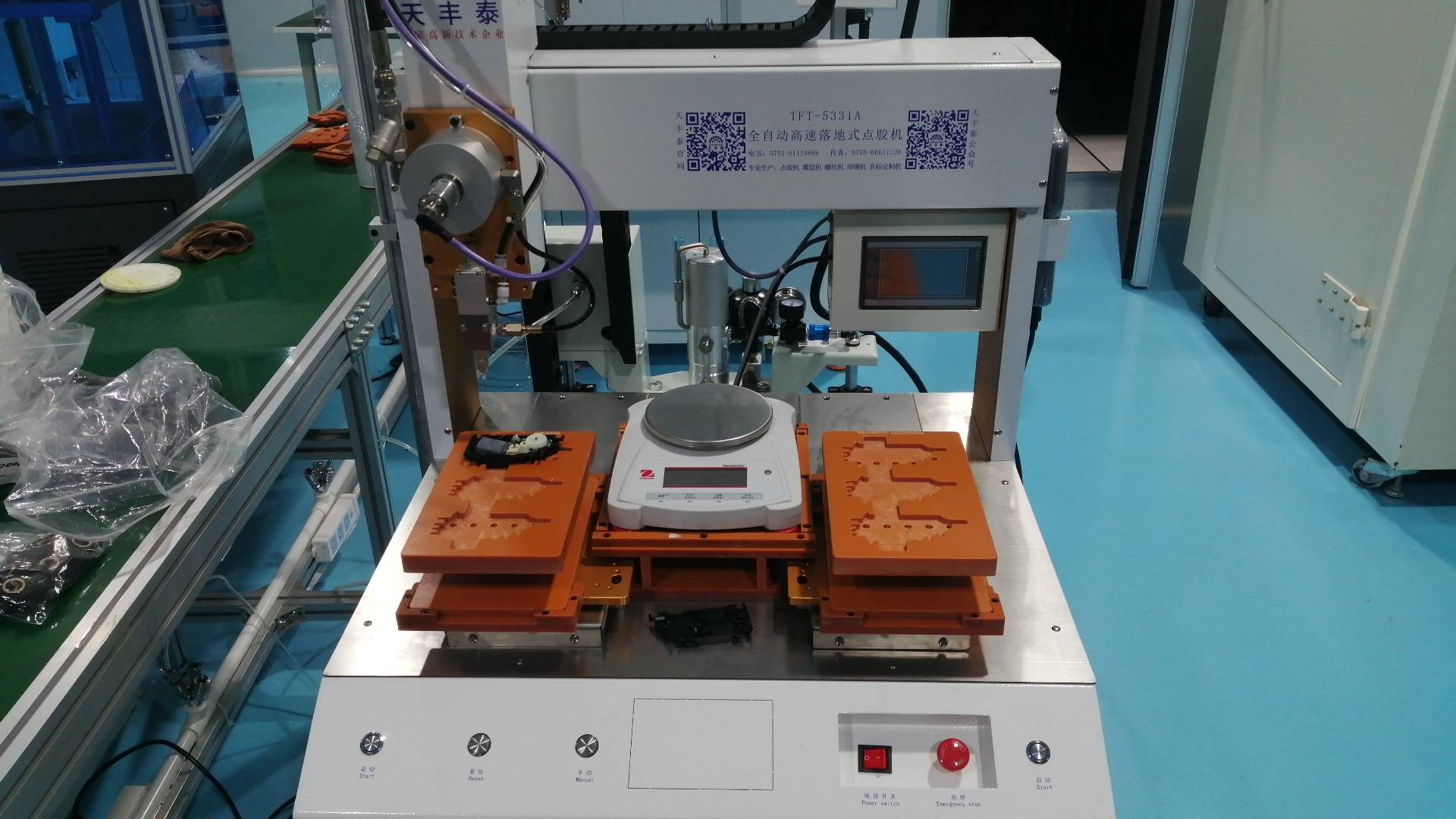
Valex Motor’s production base in Guangdong, China, leverages the world's most mature miniature motor supply chain ecosystem. Producing highly reliable components at micro scales requires more than cheap labor; it demands highly specialized automated processes. Our factory features automated gear riveting machines, computer-controlled wire winding machines, and high-speed CNC precision lathing equipment to ensure every motor batch is identical.
This automated foundation allows us to maintain strict dimensional tolerances (down to ±0.01mm on shaft sizes) and winding configurations. For companies in San Francisco scaling up production from beta tests to high-volume commercial launches, this consistency is vital. Guangdong's ecosystem also provides direct, immediate access to high-grade magnetic materials, specialized insulation coatings, and precision brush elements, allowing us to implement continuous product improvements that other manufacturers cannot match.
IV. Custom Engineering Workflows & Advanced Applications
For modern smart devices, touch feedback must be carefully tuned. While consumer products like handheld massagers require continuous, high-amplitude vibration, medical wearable monitors or smart notification bands need short, clean, crisp pulses. Achieving these distinct responses depends on the motor design, specifically the choice between Eccentric Rotating Mass (ERM) and Linear Resonant Actuators (LRA).
- Biocompatible Medical Monitors: Requiring extremely low power (1.5V operation) and zero acoustic leakage to maintain patient privacy during alerts.
- Industrial HMI Panels: Demanding high-voltage, high-vibration output (12V to 24V) to push feedback through thick, gloved touchscreens.
- IoT Smart Controllers: Requiring micro-dimension profiles (such as 4mm x 8mm motors) to fit into tight PCB enclosures without causing electromagnetic interference (EMI).
Valex Motor provides deep customization for all these applications. We adjust winding turns to balance startup torque against current draw, optimize brush materials for extended service life, and configure lead wires with custom connectors for easy, drop-in assembly on your factory floor.
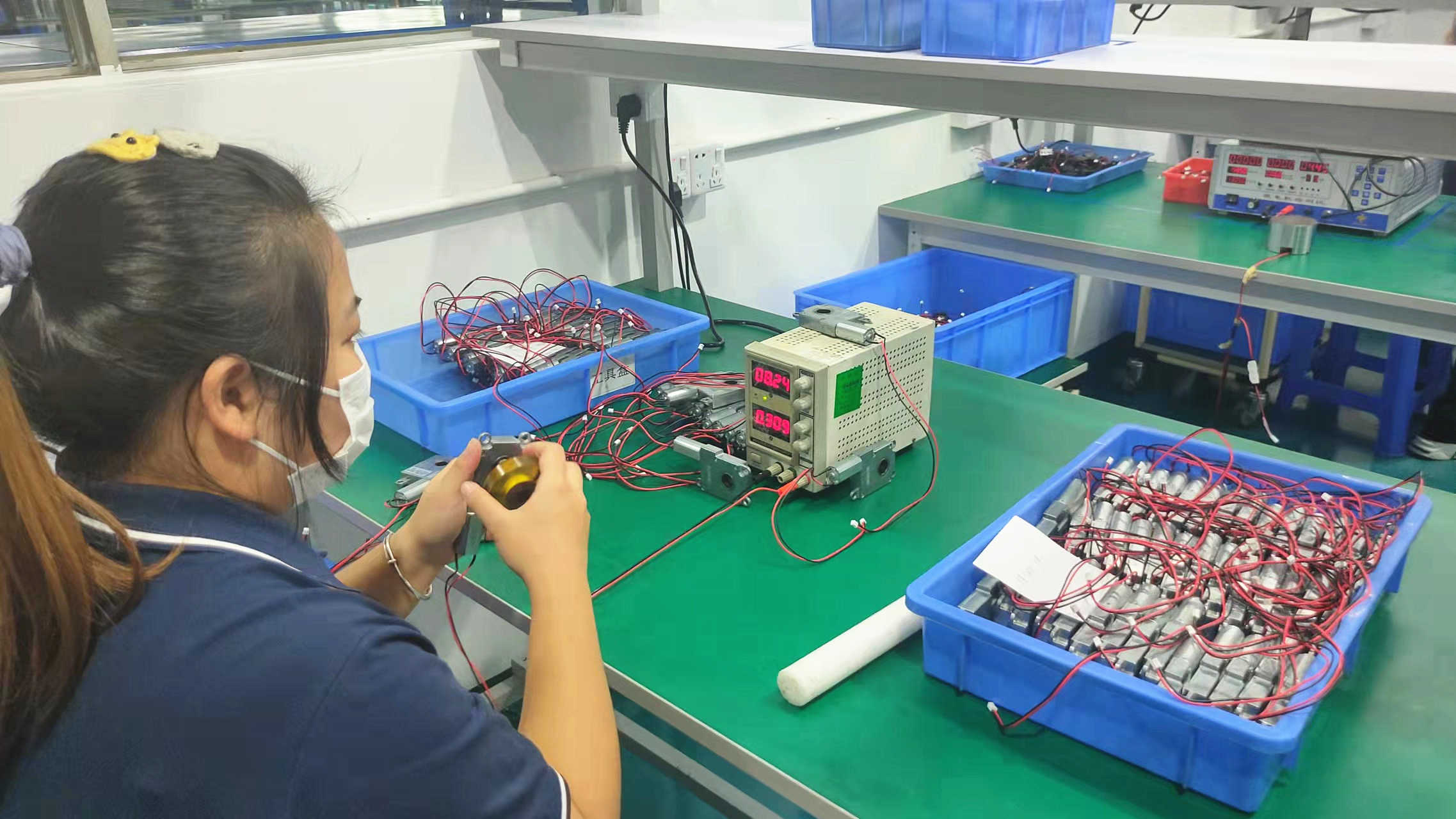
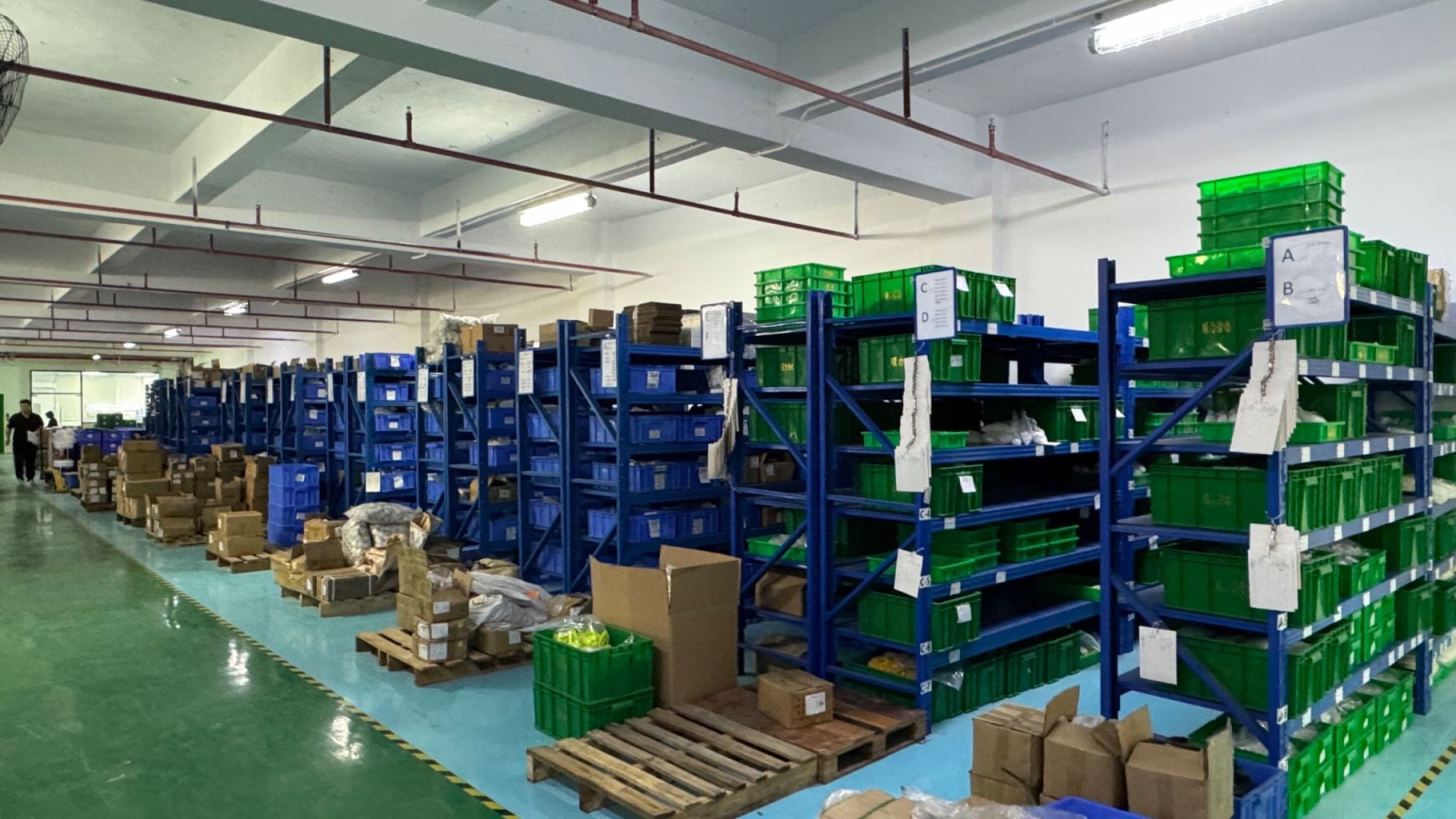
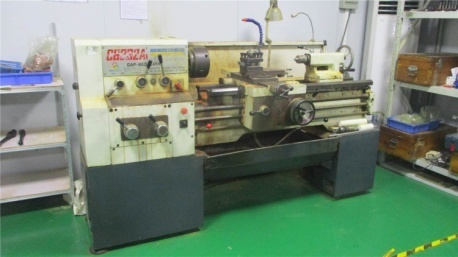
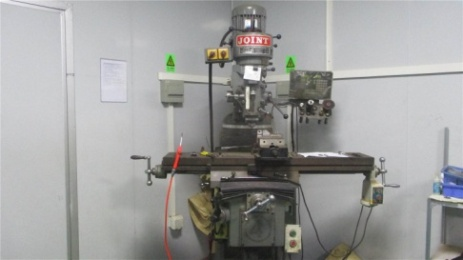
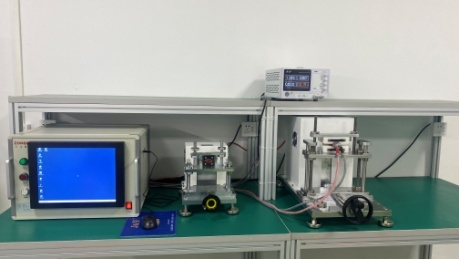
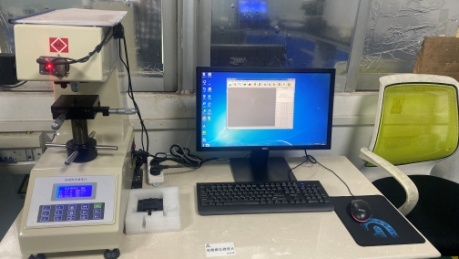
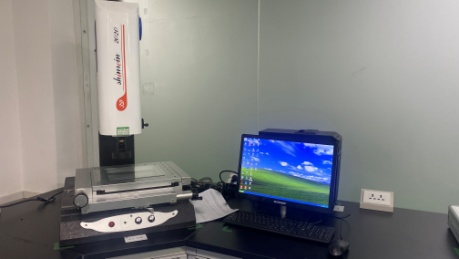
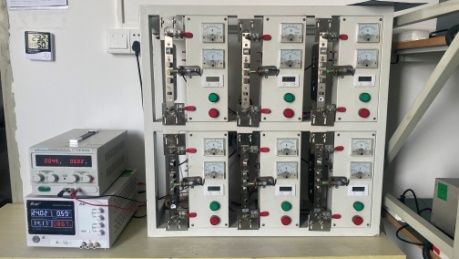
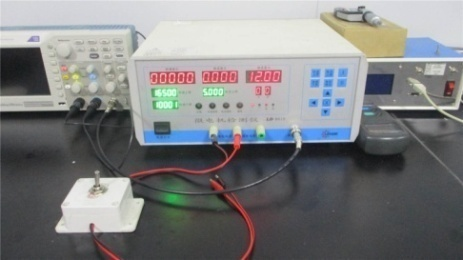
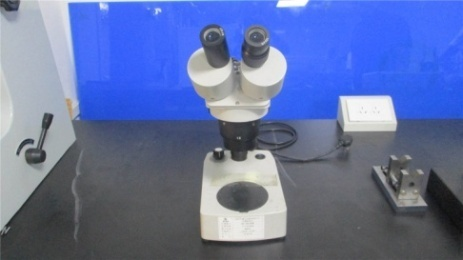
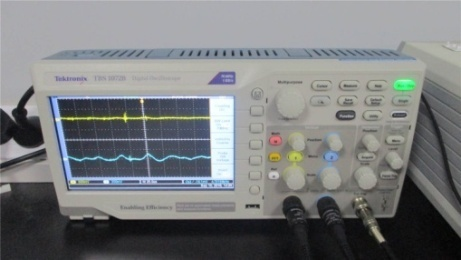
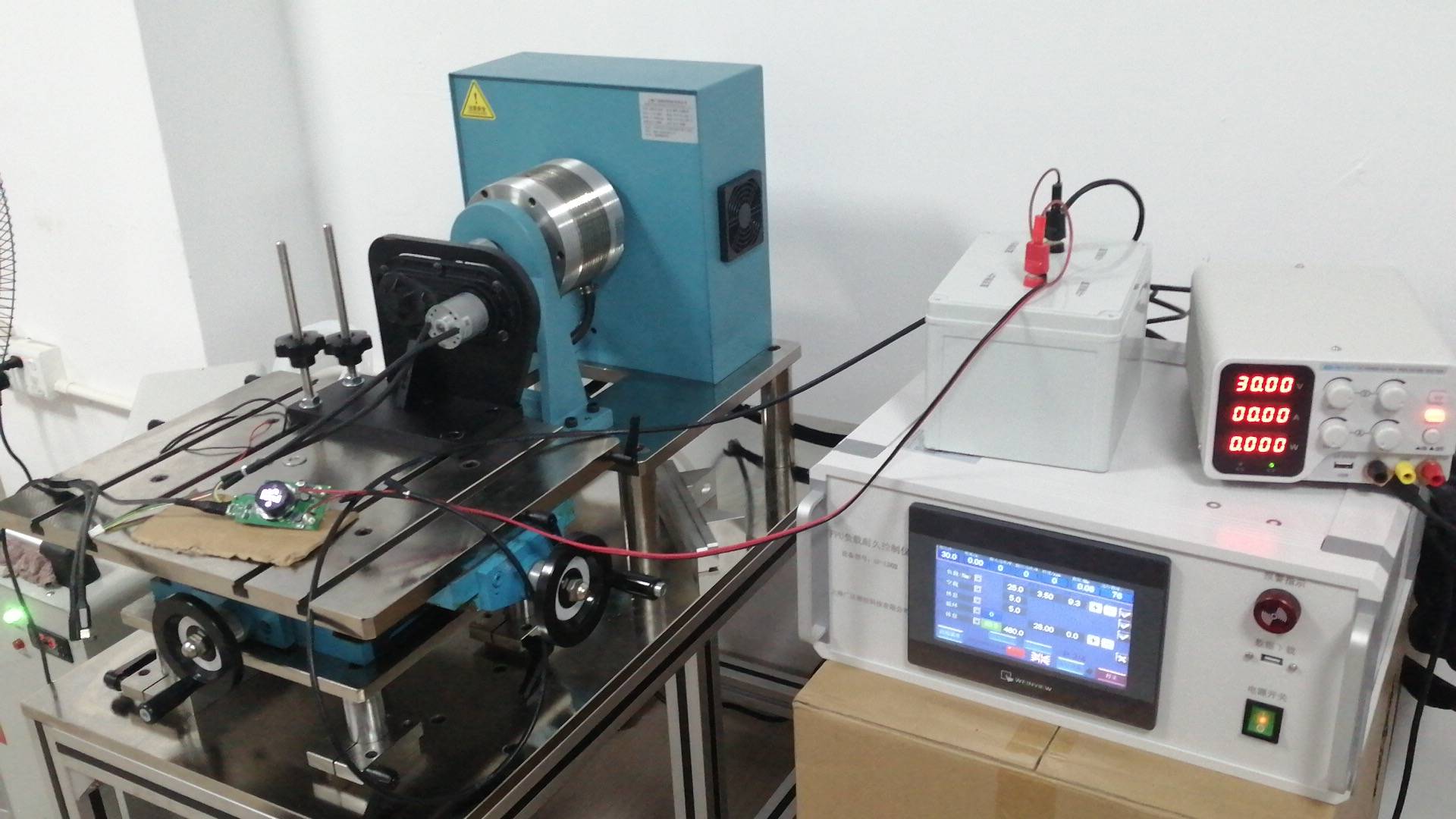
Inside Valex Motor Manufacturing & Testing Labs

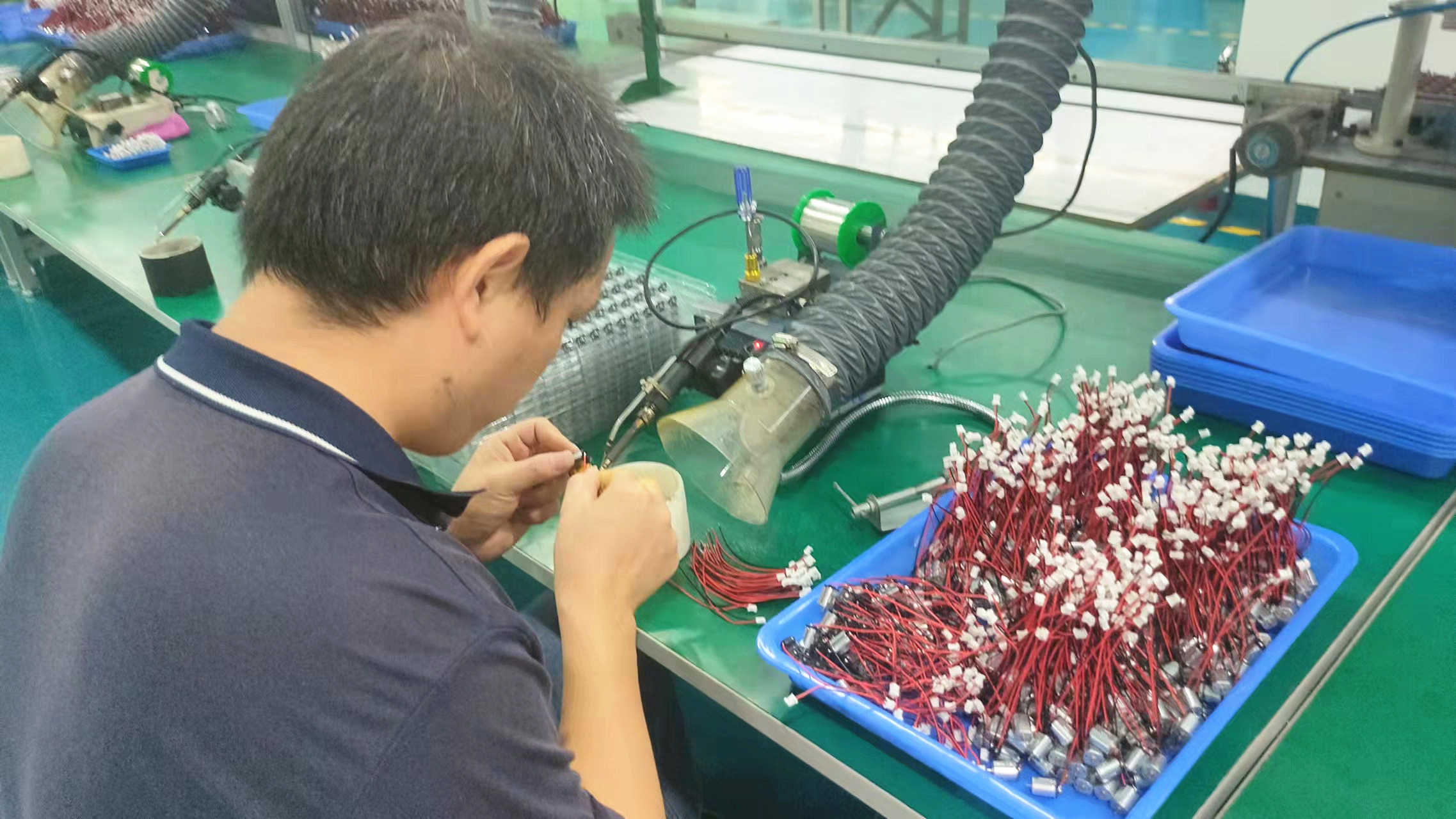
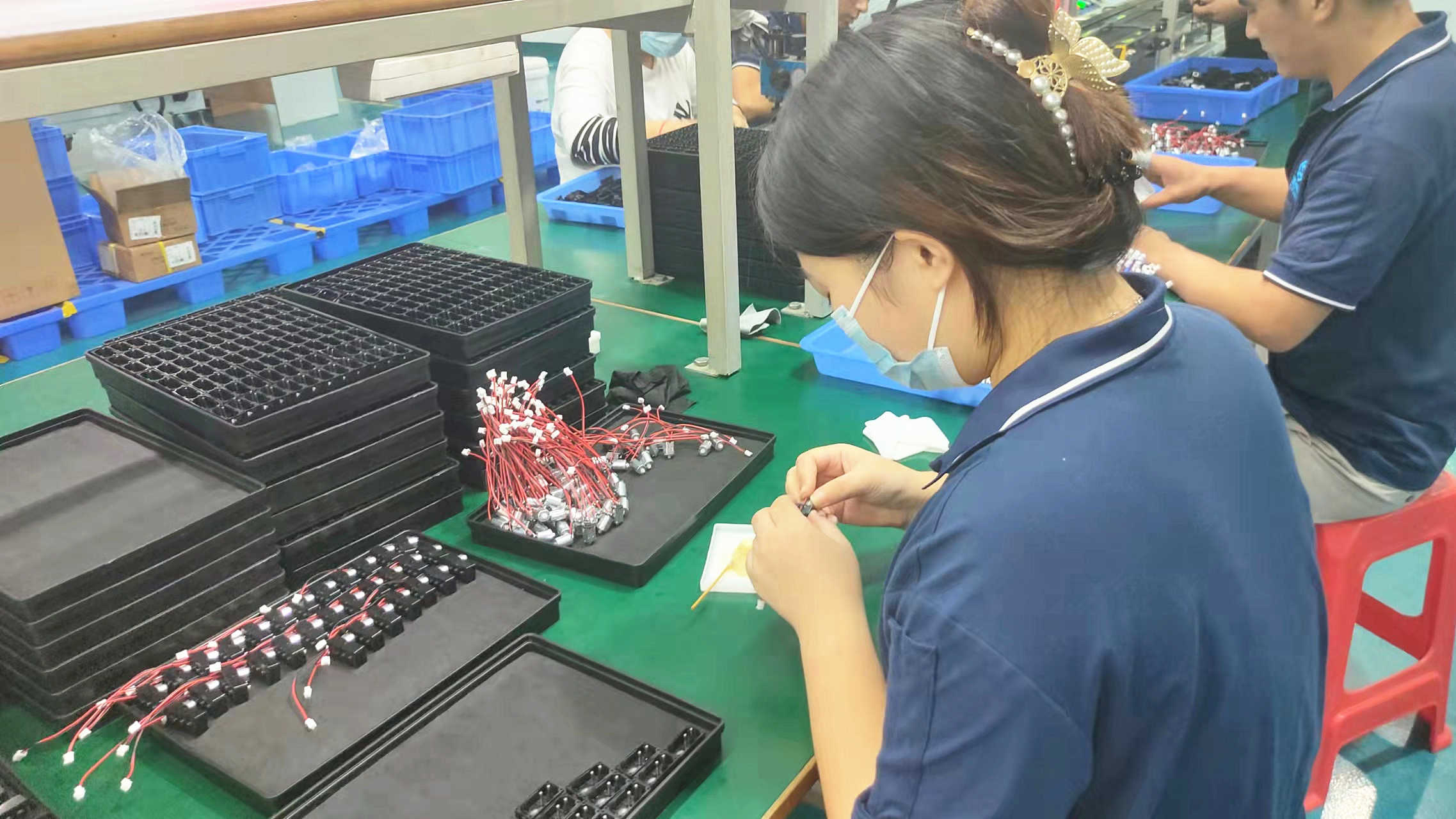
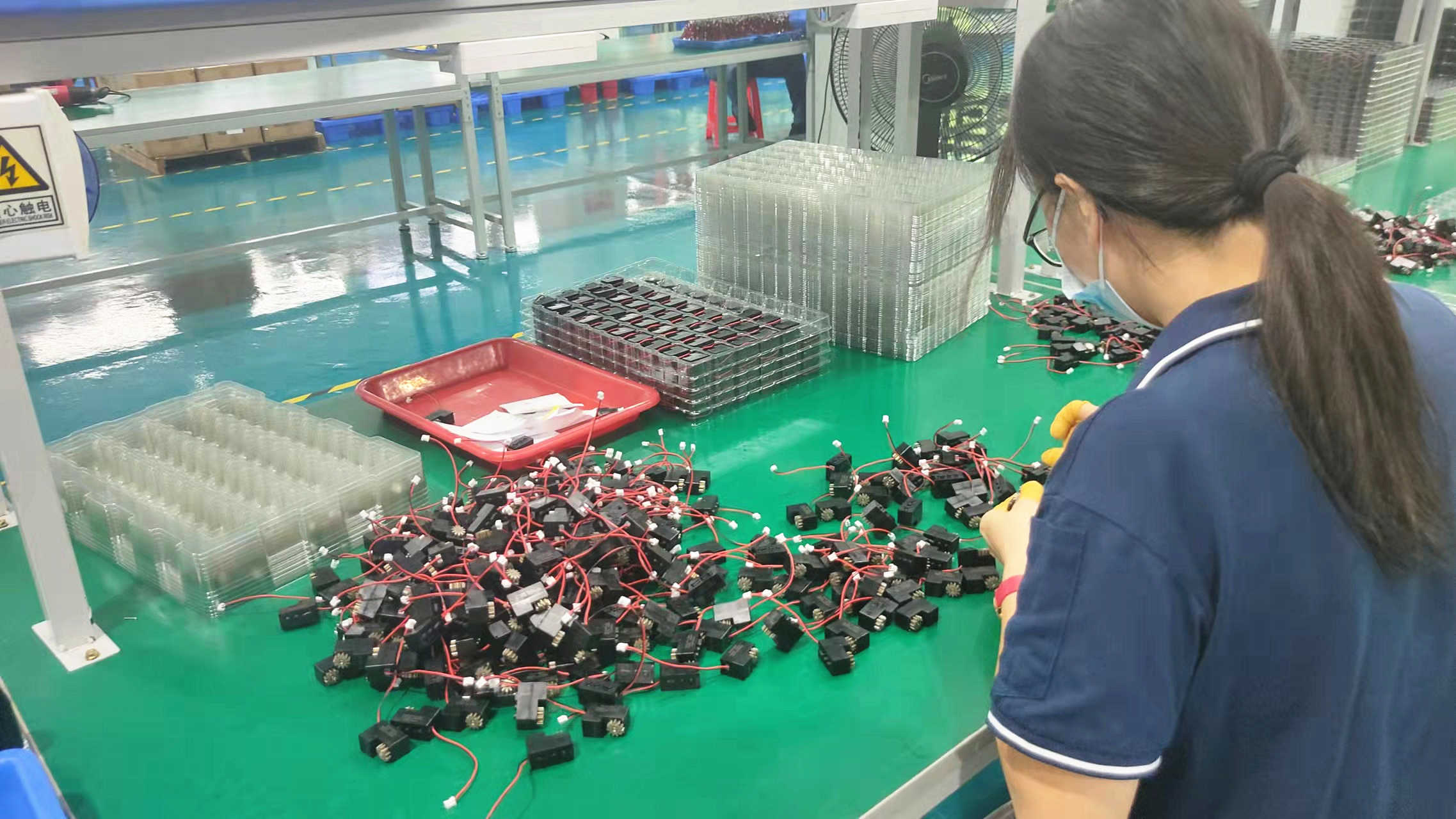
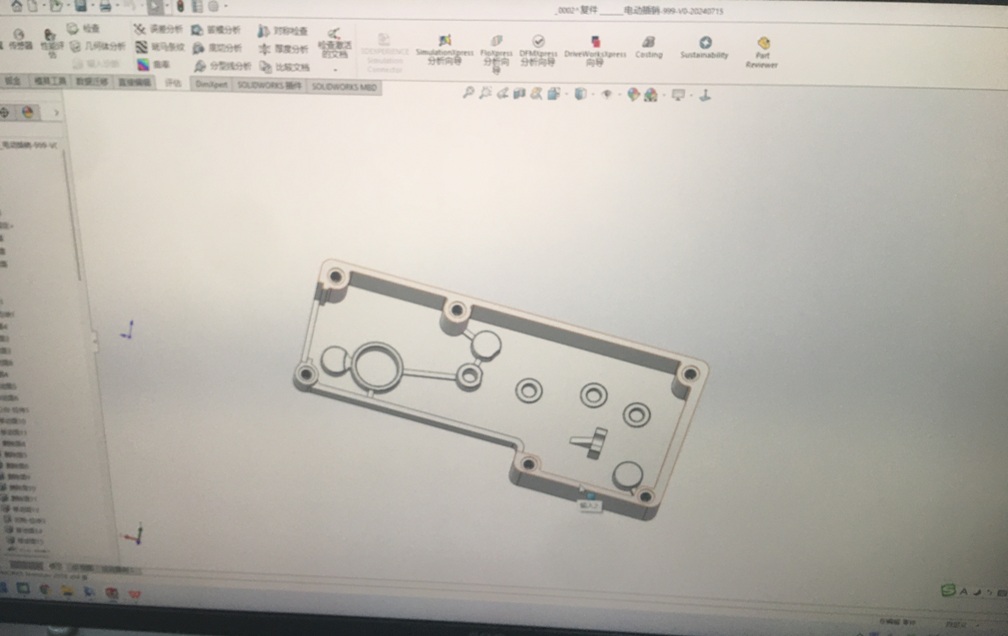
Heavy Machining & High-Precision Production Equipment
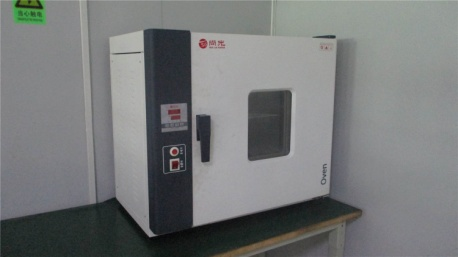
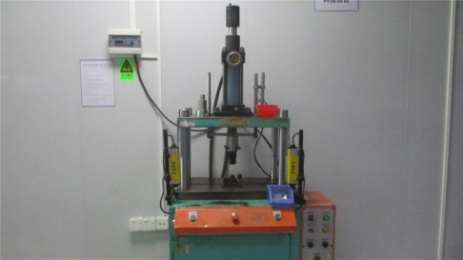
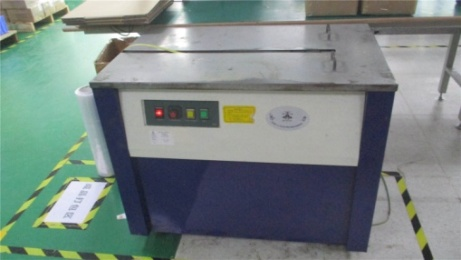
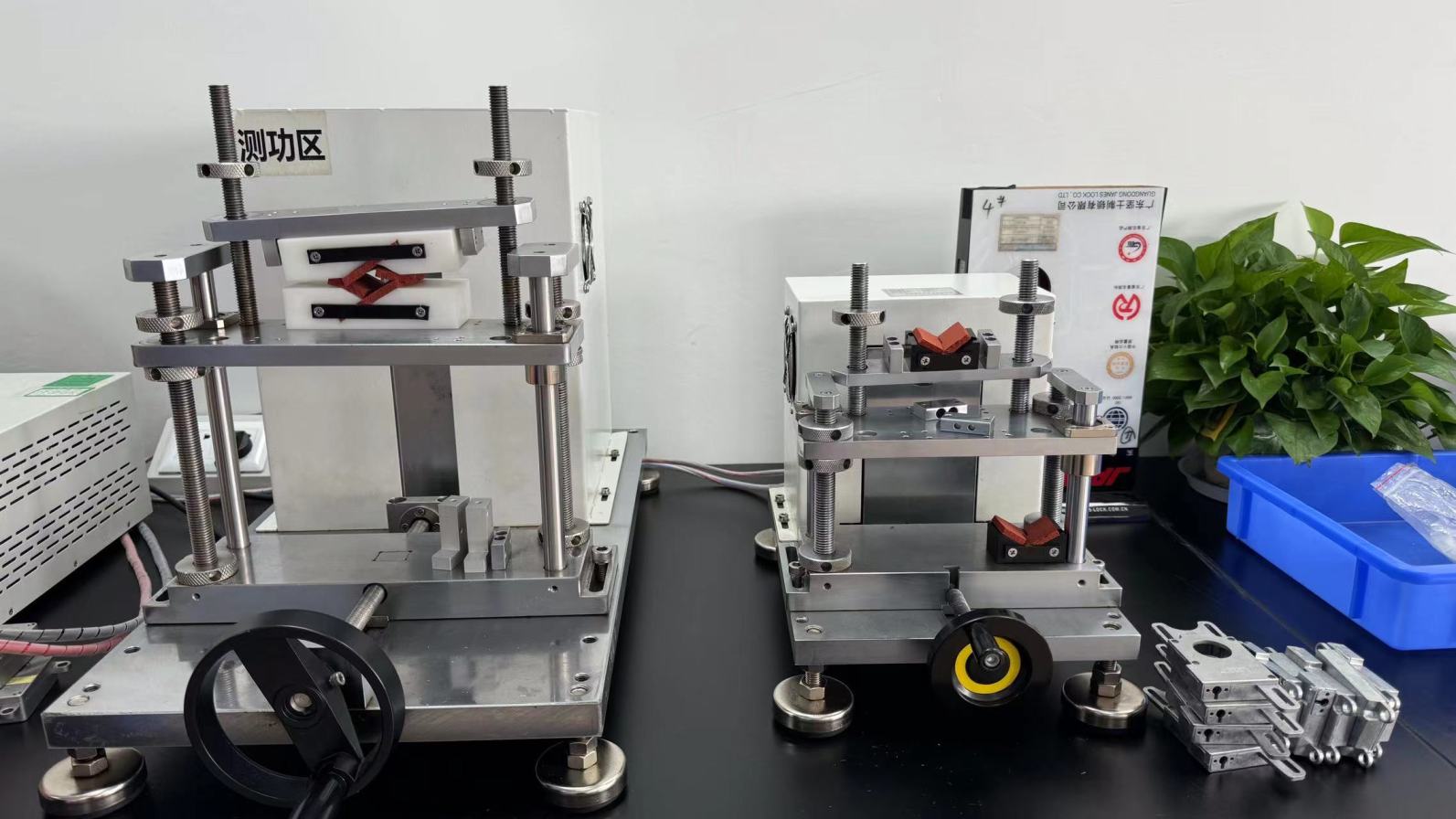
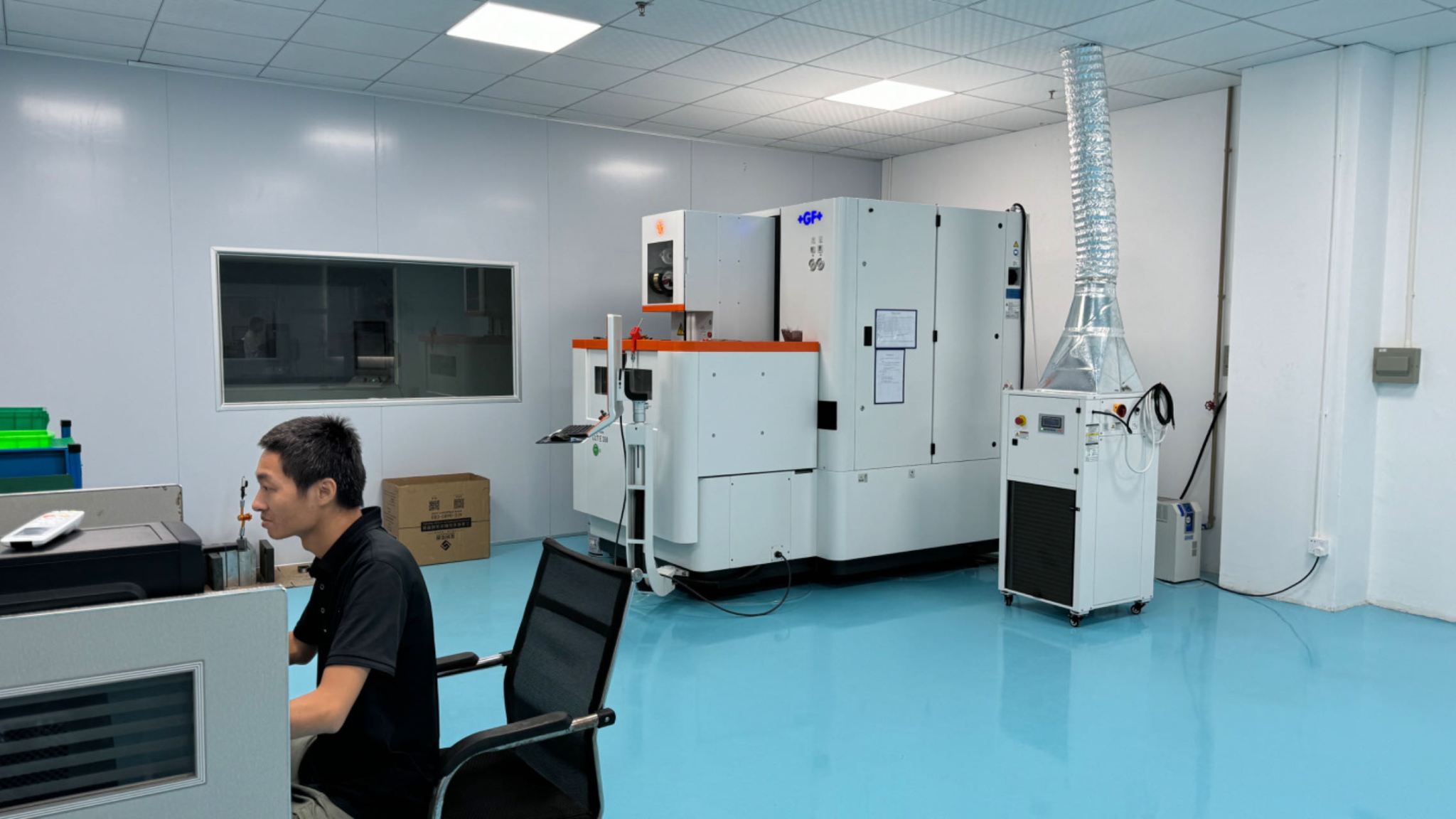
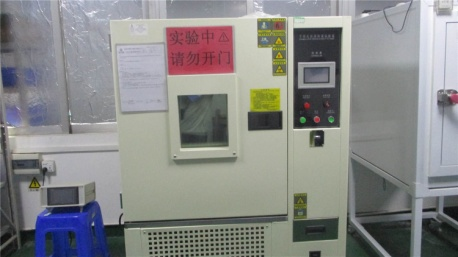
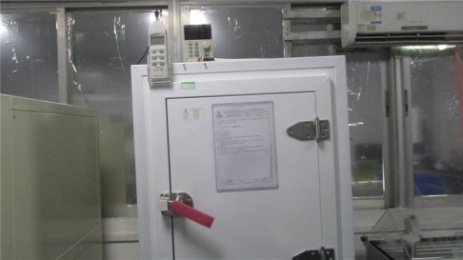
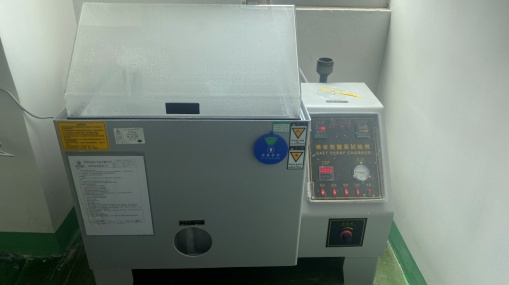
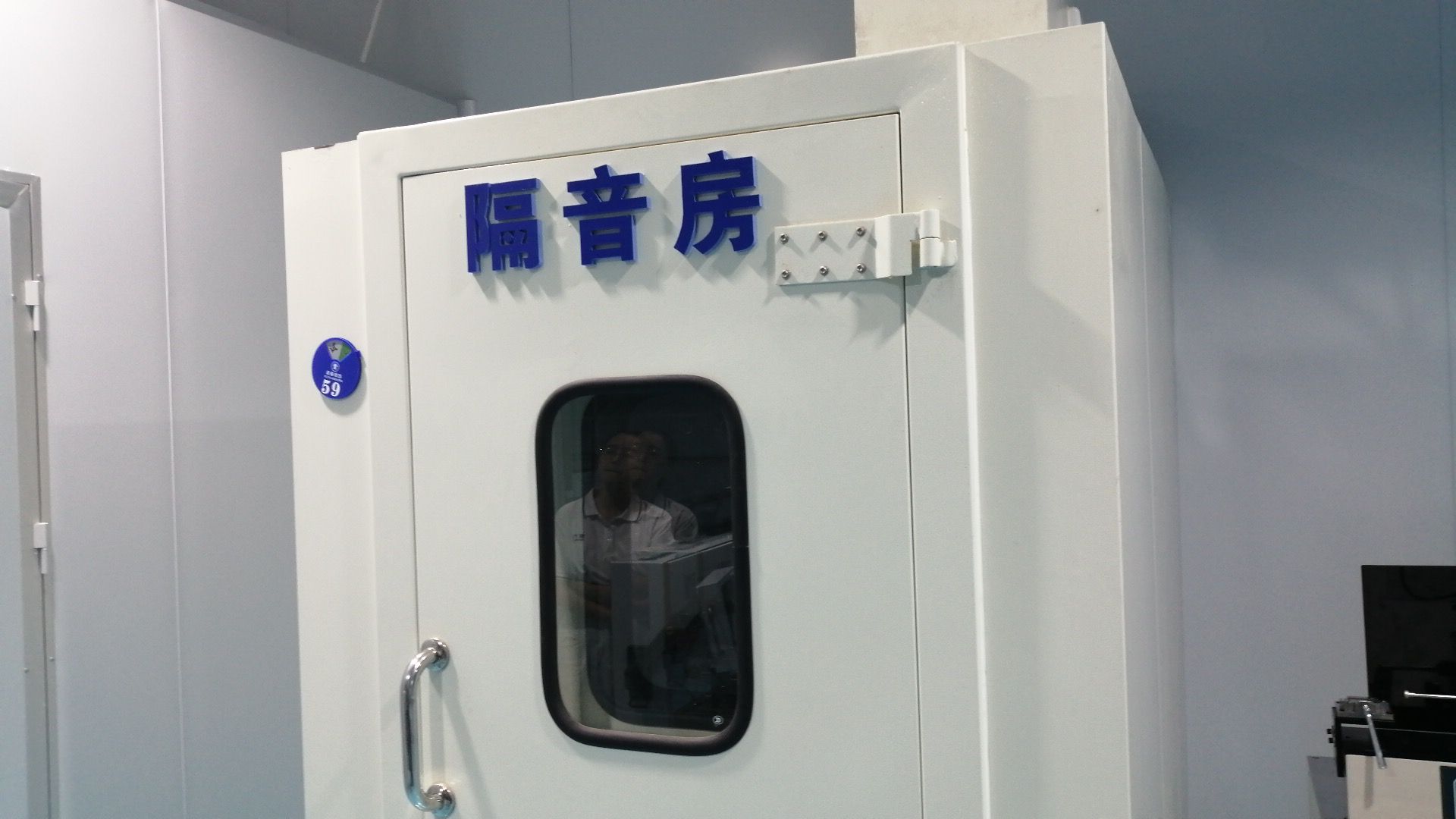
Quality Control Laboratories & environmental Chambers
V. The Valex Motor Advantage: Industrial-Grade Reliability
For product developers, component failure is a critical risk. If a micro vibration motor fails in a consumer device, the entire product is rendered useless, damaging your brand's market reputation. Valex Motor addresses this risk with strict, zero-defect quality control across all production batches.
Our competitive advantage rests on four key strengths:
- 20+ Years of Manufacturing Integrity: Two decades of manufacturing experience has allowed us to refine our automated production processes, ensuring consistent, repeatable output across large production runs.
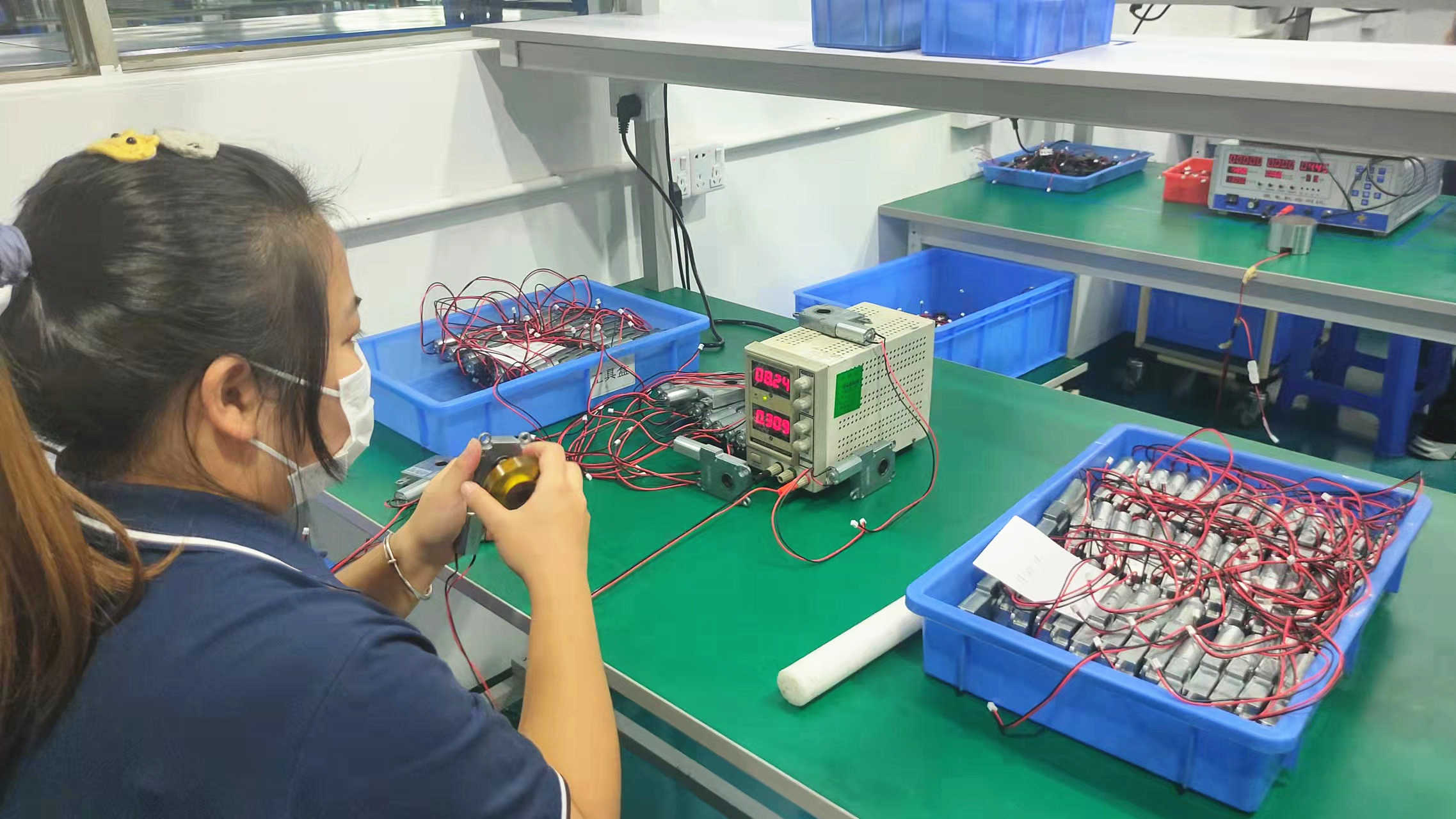
- 100% In-House Performance Testing: Every motor undergoes automated testing for starting current, rotational speed, vibration amplitude, and acoustic noise output before leaving the factory.
- Rapid Custom Prototyping: We design custom shafts, customized lead wire harnesses, special eccentric weight profiles, and specific mounting brackets to match your packaging constraints.
- Global Compliance Ready: All motors are manufactured in full compliance with CE, RoHS, and REACH guidelines, guaranteeing safe entry into North American, European, and Asian markets.
We work directly with engineering groups in the San Francisco Bay Area, offering transparent technical data and physical samples. This allows your team to validate designs quickly and scale up to commercial production with confidence.
Need Custom Actuation Prototypes for Your Next Engineering Build?
Get direct-from-factory pricing, full technical specifications, and working engineering samples within days. Partner with a premier micro vibration motor supplier today.
Send Inquiry NowVI. Technical Q&A: Vibration Actuators & Haptic Engineering
Eccentric Rotating Mass (ERM) motors use an off-center weight mounted on a rotating shaft to create vibration across two axes. They are cost-effective, run on direct current, and offer strong vibration amplitude. However, they have slower response times. Linear Resonant Actuators (LRA) use a moving mass suspended by springs that vibrates along a single axis, driven by an AC signal at its resonant frequency. LRAs offer faster response times and more precise haptic feedback but require external driver circuits and are generally more expensive.
Operating voltage directly determines the rotational speed (RPM) and vibration amplitude of ERM motors. Running a motor above its rated voltage increases vibration force but speeds up brush wear and generates excessive heat, significantly reducing its lifespan. Under-volting a motor lowers power consumption and extends operating life, but it may prevent the motor from starting reliably, especially when the weight is positioned at a difficult angle.
Yes. We customize internal winding configurations to alter resistance, allowing the motor to start at lower voltages (down to 1.0V). We can also adjust the material, mass, and shape of the eccentric weight to optimize vibration force for your specific housing constraints. This customization helps minimize current draw, extending battery life in wearable designs.
Our quality control facility includes dedicated acoustic testing rooms. We measure motor noise levels while running under load using high-sensitivity microphones. To keep acoustic output below 50 dBA at a 10cm distance, we use precision metal-graphite brushes, apply specialized internal damping grease, and maintain tight manufacturing tolerances on all bearings and shafts.
Mounting options depend on the motor form factor. Cylindrical motors are typically mounted using silicone rubber sleeves, which help isolate acoustic noise and secure the motor inside the housing. Coin-type motors usually feature pre-applied double-sided adhesive backing for direct mounting to the PCB or inner case. We also provide motors with spring contacts or custom lead wire harnesses for plug-and-play assembly.
All Valex motors are fully compliant with RoHS and REACH regulations, ensuring they contain no hazardous substances. Our materials and manufacturing processes also meet CE standards, allowing your finished products to easily qualify for international compliance and pass import customs without issues.
Sea freight exposes shipments to high humidity and corrosive salt air, which can oxidize motor shafts and casings. We subject our raw steel casings and shaft assemblies to salt spray chambers to test their corrosion resistance. This process ensures the motors remain clean and fully functional during shipping, storage, and long-term use in coastal regions like the San Francisco Bay Area.
For standard modifications, custom prototype samples are typically ready within 7 to 10 working days. Once prototypes are approved, standard mass production runs take 20 to 25 days, depending on order volume and component customization. We also coordinate with air freight forwarders to expedite shipping directly to Bay Area facilities for urgent development schedules.
Precious metal brushes (such as gold-platinum alloys) offer low electrical contact resistance and low starting voltages, making them ideal for small, low-power motors (like 4mm to 6mm models) used in wearables. Carbon brushes provide better wear resistance and can handle higher currents, making them the standard choice for larger, high-vibration motors (such as the SFF-130SA series) used in appliances and rugged industrial equipment.
Because DC motors are inductive loads, turning them off causes a reverse voltage spike (flyback voltage) that can damage sensitive driver transistors. We recommend placing a Schottky diode in parallel with the motor (pointing away from ground) to safely route the reverse current. Adding a 0.1μF ceramic capacitor across the motor terminals also helps suppress high-frequency electromagnetic noise (EMI).
Industrial Micro Vibration Motors & Actuators
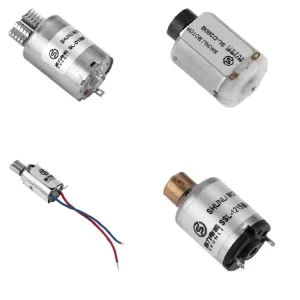
Low Noise 3v 4v 7.2v 6100 Rpm 050 Dc Vibration Motor
12v 24v 12mm Dc Electric Vibrator Motor 2w Home Appliance
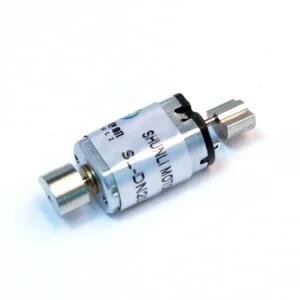
N20 Vibration Motor Massager 12mm High Speed DC Micro Motor
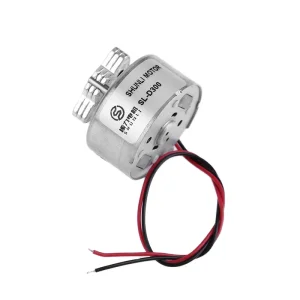
4v 5v Small Motor Dc Vibration Motor 6v 9000rpm
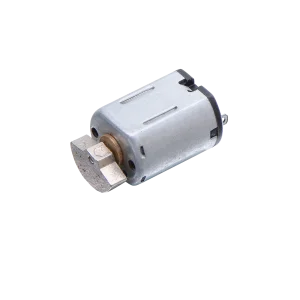
Flat 3.7v Mini Vibrators Vibration Motor
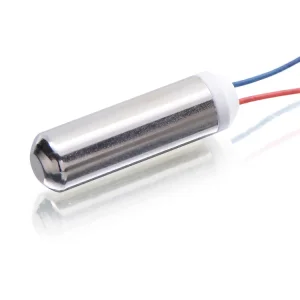
Low Rpm 2.4v 3.7v 5v Dc Electric Mini Vibration Motor
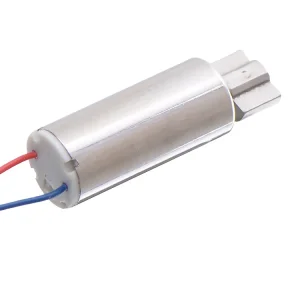
DC Hollow Cup Motor 3v Vibration Motor
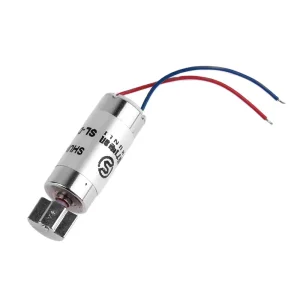
Shunli Custom Small Dc Motor Brush Low Rpm 2.4v 3.7v 5v
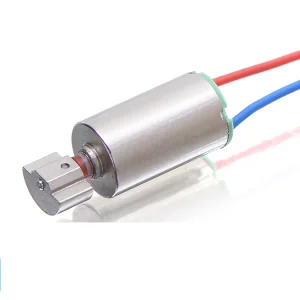
1.5v 3v 3.7v Mini 4mmx 8mm Vibrator Dc Motor
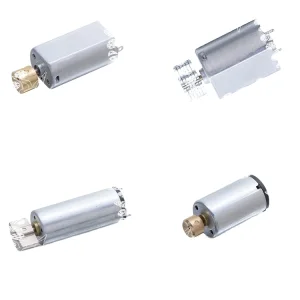
5v 10000rpm Small Brush Dc Vibration Motor
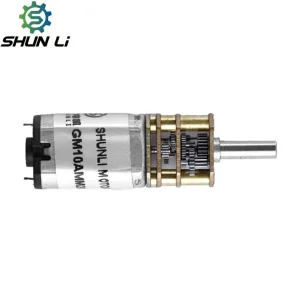
10MM 15 Rpm Low RPM Permanent Magnet Generator