Valex Motor
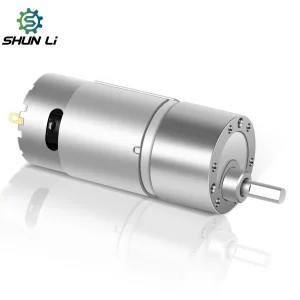
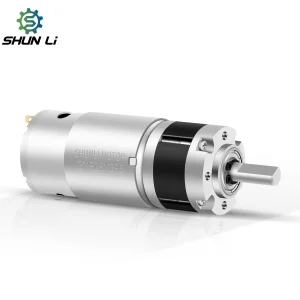
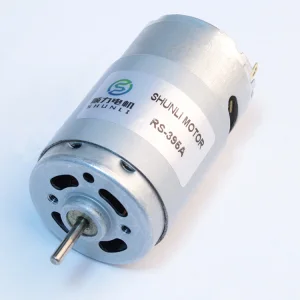
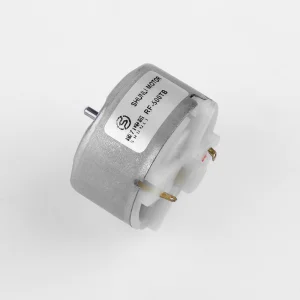
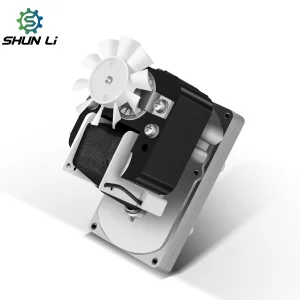
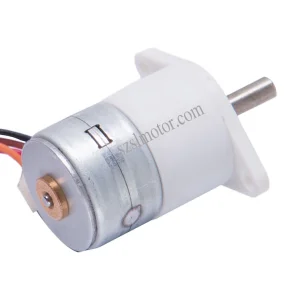
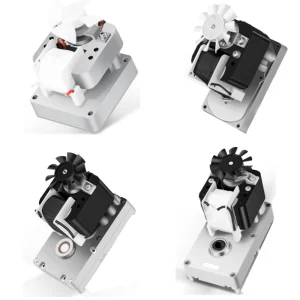
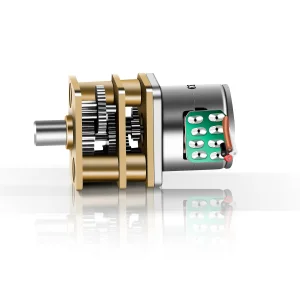
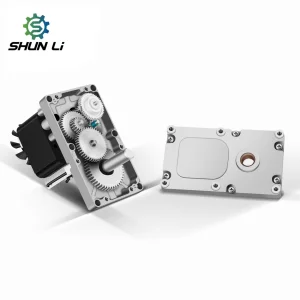
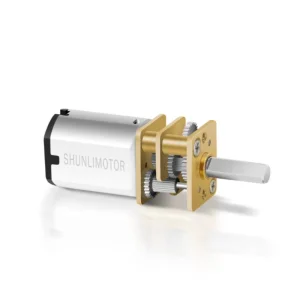
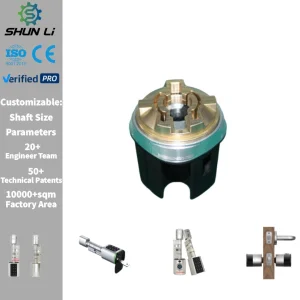
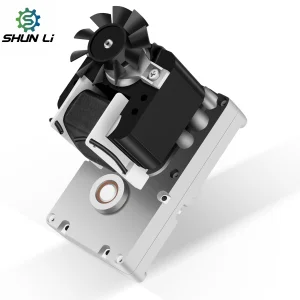
Premium Compact DC & AC Geared Motor Showcase (Top Range)
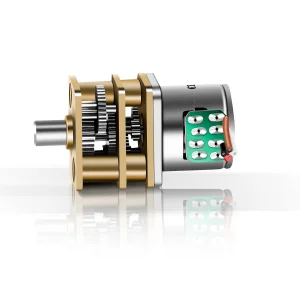
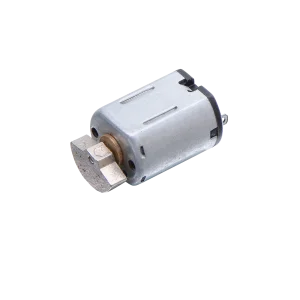
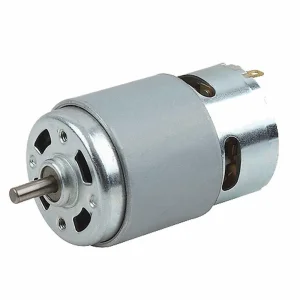
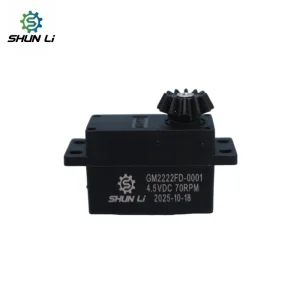
Discover our first tier of precision-engineered miniature gearmotors, micro-steppers, and custom high-torque actuators built for global export.
1. The Macro Industrial Landscape of Compact DC Motors
Unpacking the market drivers, technological convergences, and strategic sourcing pipelines that define high-efficiency mini drive components globally.
Global Trade Integration & B2B Procurement Challenges
The global push for automation, smart home integration, and portable medical diagnostics has accelerated demand for high-torque, energy-efficient, and compact DC motors. Procurement managers across North America, Europe, and Asia-Pacific face substantial pressure to source modules that not only pack high power density into restrictive physical envelopes but also maintain long-term reliability under severe working cycles.
Historically, B2B procurement was hindered by middleman markups, fragmented customization capacities, and inconsistent quality assurances. Modern industrial ecosystems demand direct collaboration with established OEM/ODM manufacturers like Valex Motor to establish transparent supply chains, ensure material compliance (CE, RoHS, REACH), and reduce overall lifecycle costs.
From specialized micro brushless designs to miniature planetary gearmotors, matching user intent to precise mechanical specifications is critical to preventing premature motor failures, thermal overruns, and costly product recalls.
Valex Motor: Industrial-Grade Micro Motors Built for Reliability
Looking for a transparent, direct-from-source China factory to secure your miniature motor supply chain without the middleman markups? Valex Motor is engineered for your peace of mind. We deliver world-class precision drives directly from our manufacturing floors to global production lines under strict zero-defect quality control.
- 20+ Years of Manufacturing Integrity: Established heritage ensuring mature automated production lines and perfectly repeatable batch consistency.
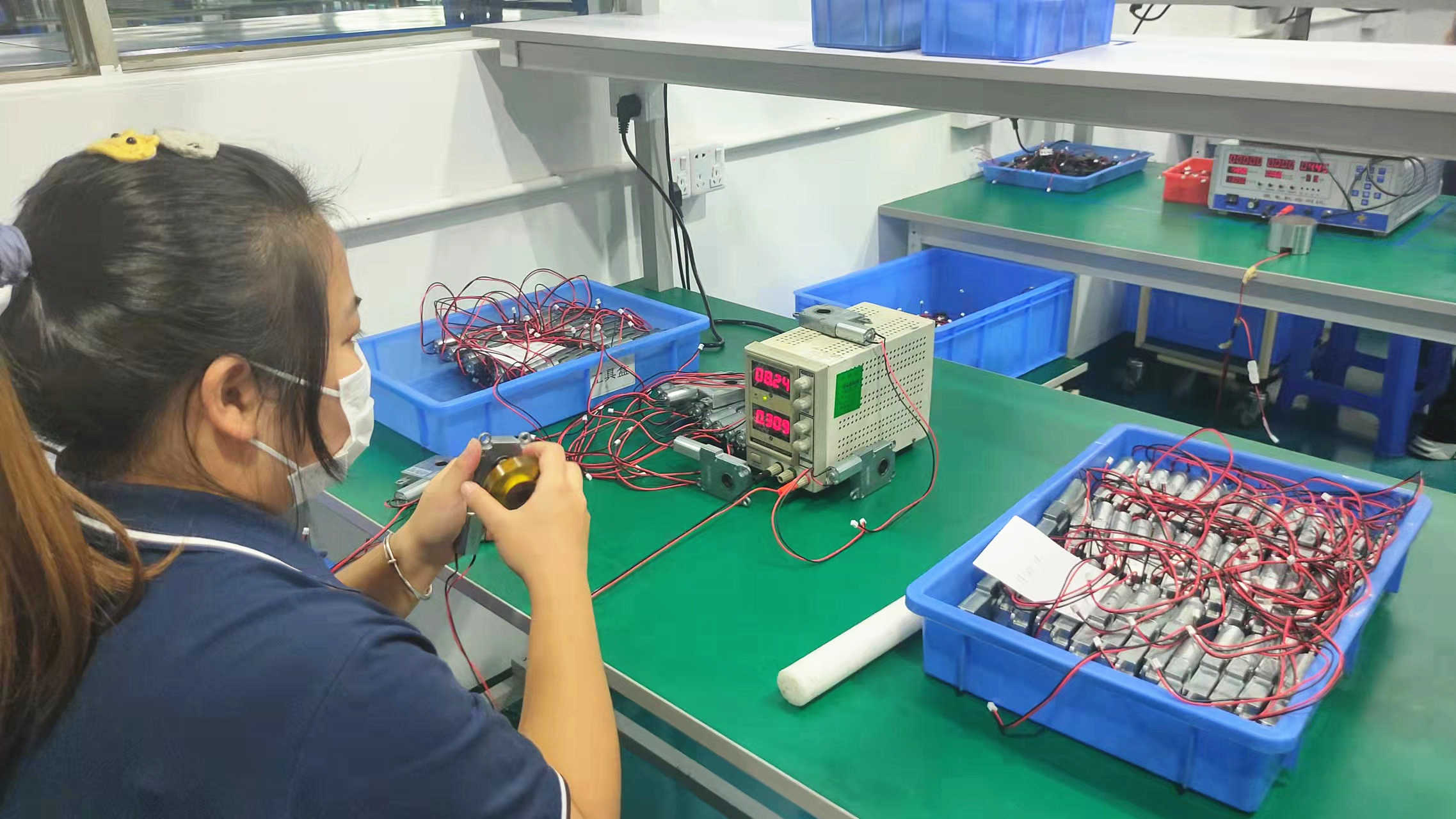
- 100% In-House Performance Testing: Every single motor is rigorously tested for torque, speed, and acoustic noise under industrial loads before shipping.
- Rapid Custom Prototyping: We don't say no to complex blueprints. We modify shafts, gearheads, wire harnesses, and encoders to fit your housing perfectly.
- Global Compliance Ready: All products are built fully compliant with international CE, RoHS, and REACH safety standards.
When your brand's reputation relies on repeated, flawless mechanical motion, let Valex Motor handle the power. Get in touch with our English-speaking technical support team today for factory-direct quotes and working samples.
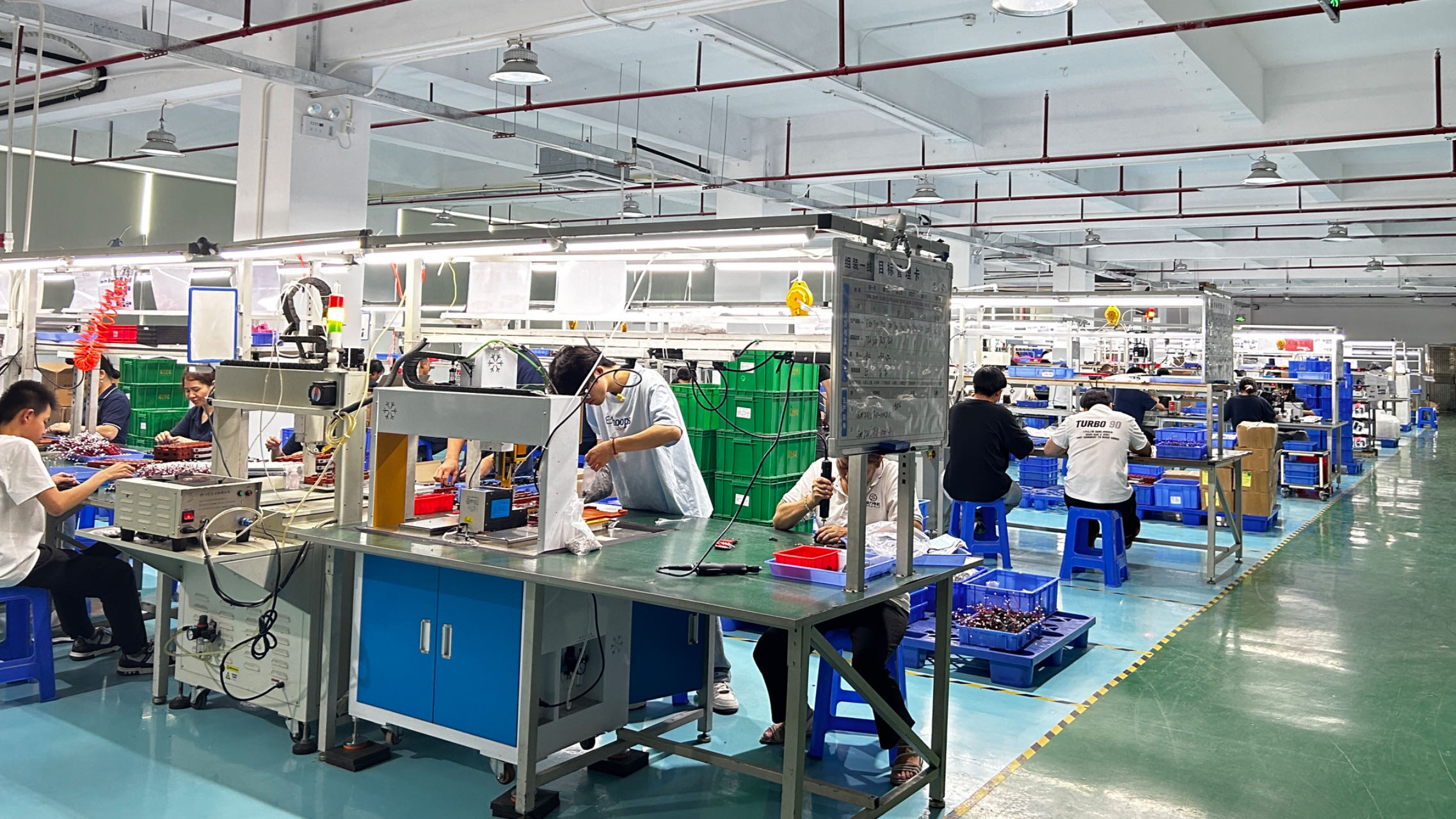
2. In-House Manufacturing Flow
Exhibiting the complete production cycle, illustrating step-by-step quality control and operational rigor inside Valex Motor's production plant.

Phase 1: Raw Material
Sourcing high-permeability silicon steel sheets, specialized magnet wires, and structural copper alloys.
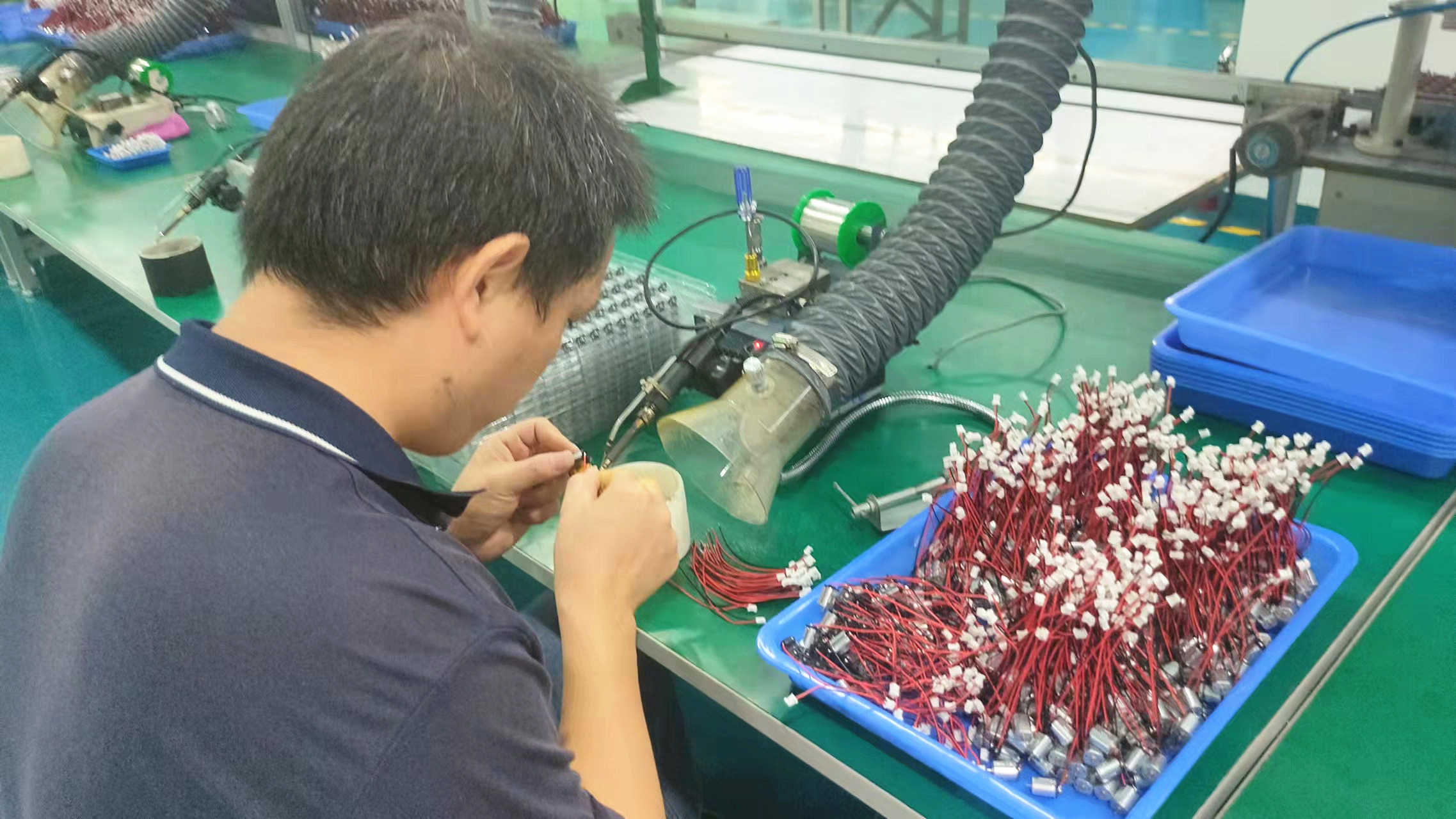
Phase 2: Soldering
Automated precision soldering for commutators and wire harnesses to prevent resistance anomalies.
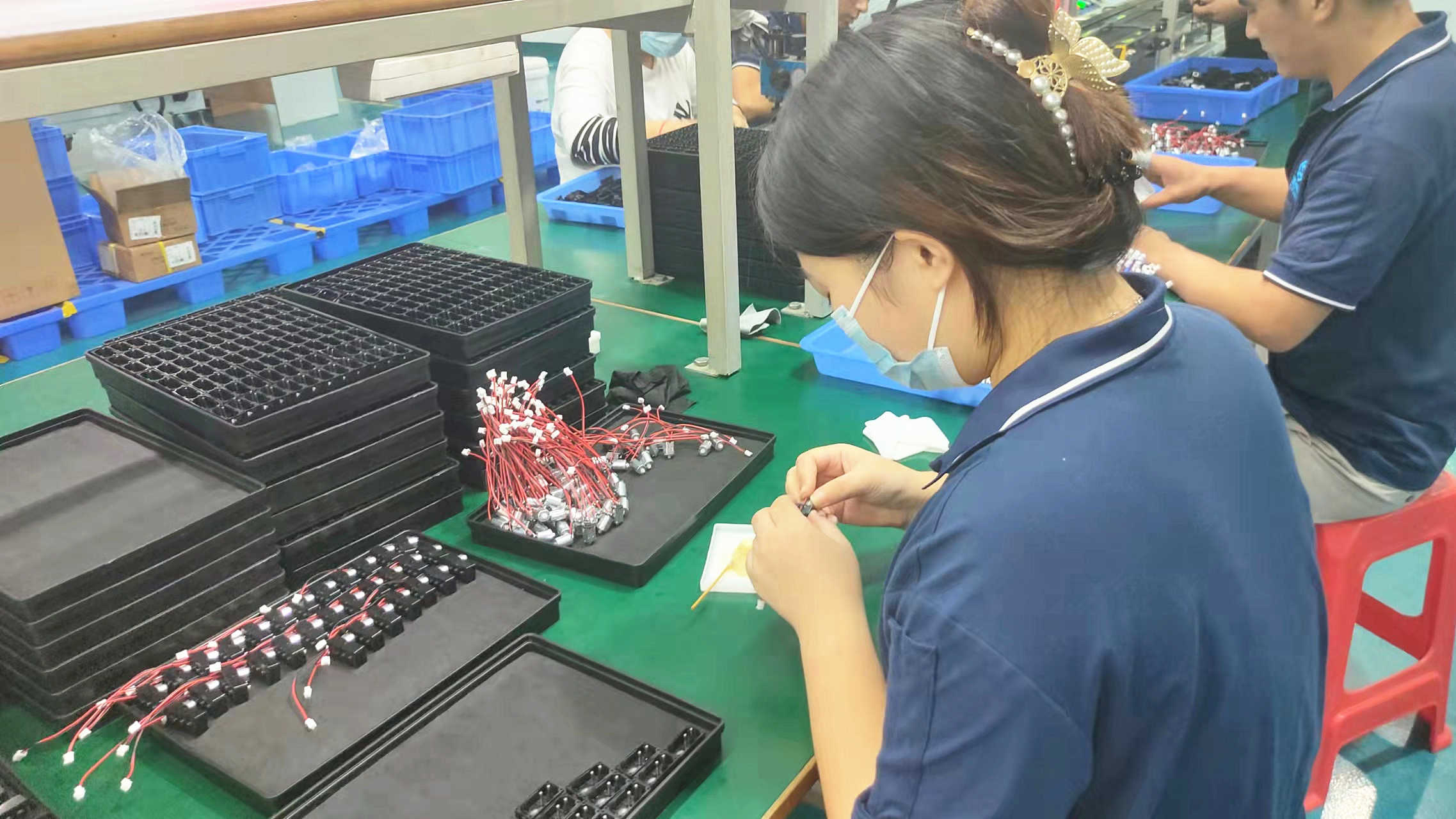
Phase 3: Assembling
State-of-the-art multi-axis alignment for rotors, stators, gearboxes, and shafts.
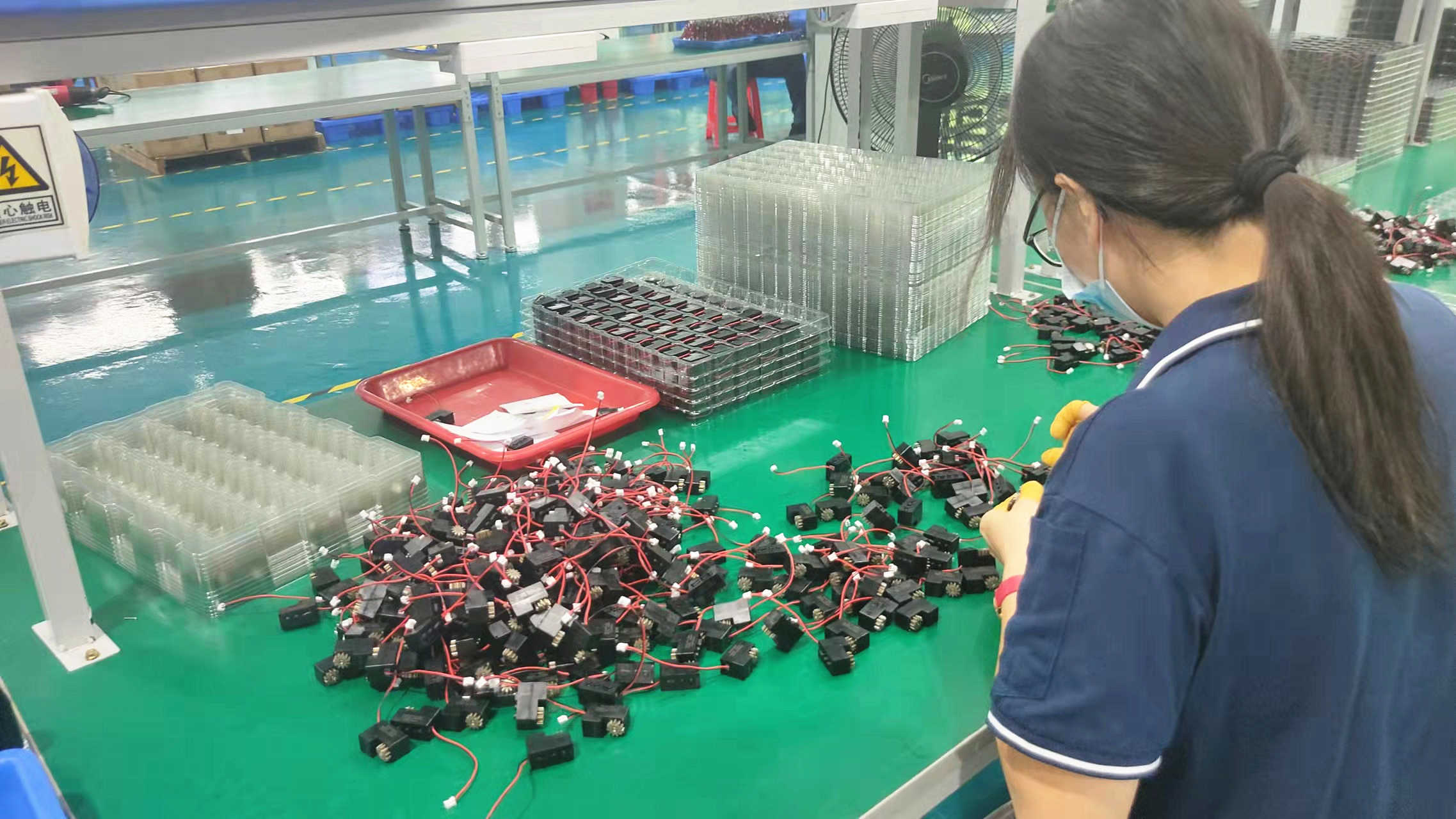
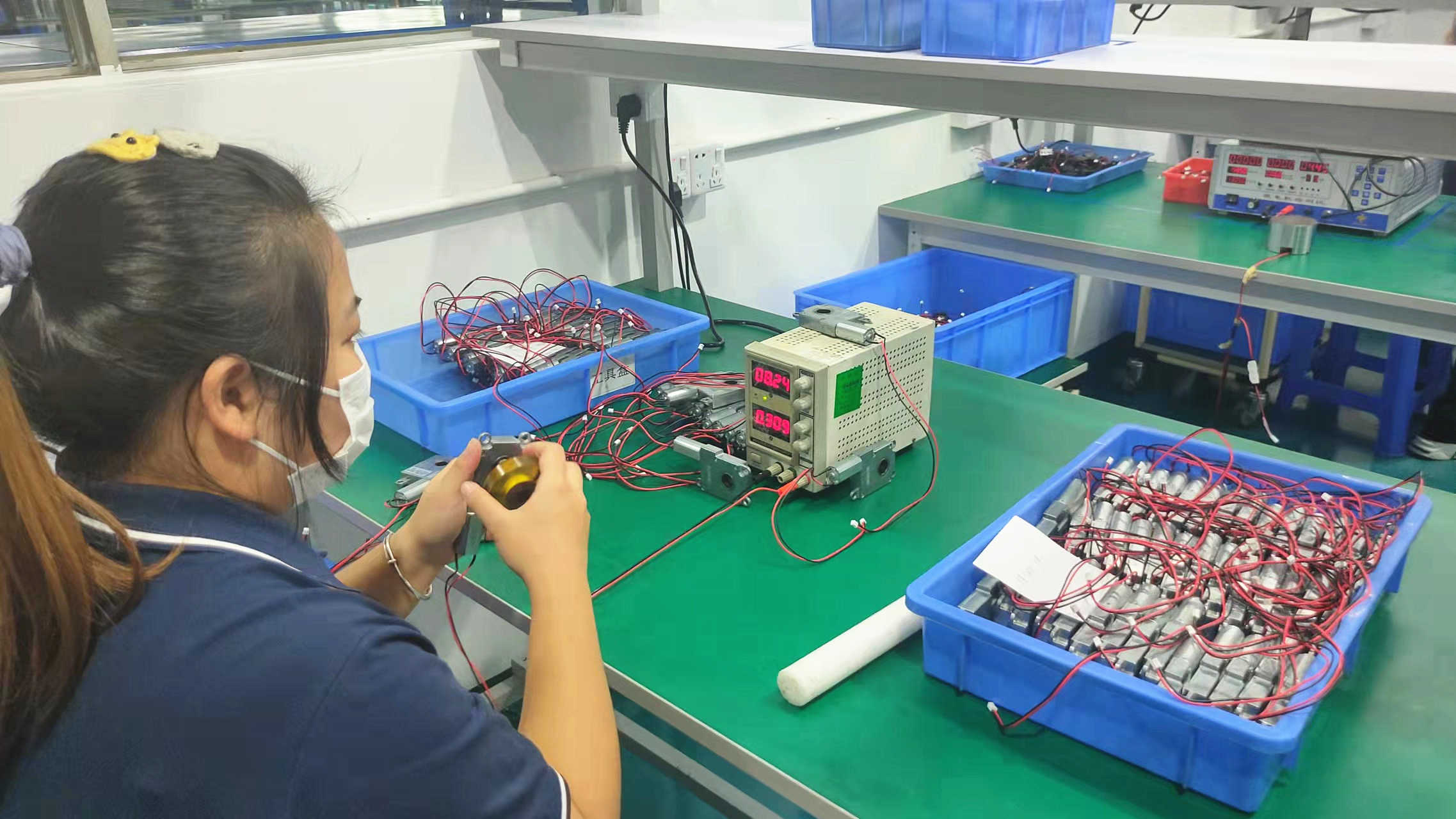
Phase 4: Testing
Dynamic running checks assessing torque parameters, back-EMF, and structural integrity.
Phase 5: Packing
Anti-vibration customized cell-packaging structures protecting gears during global transit.
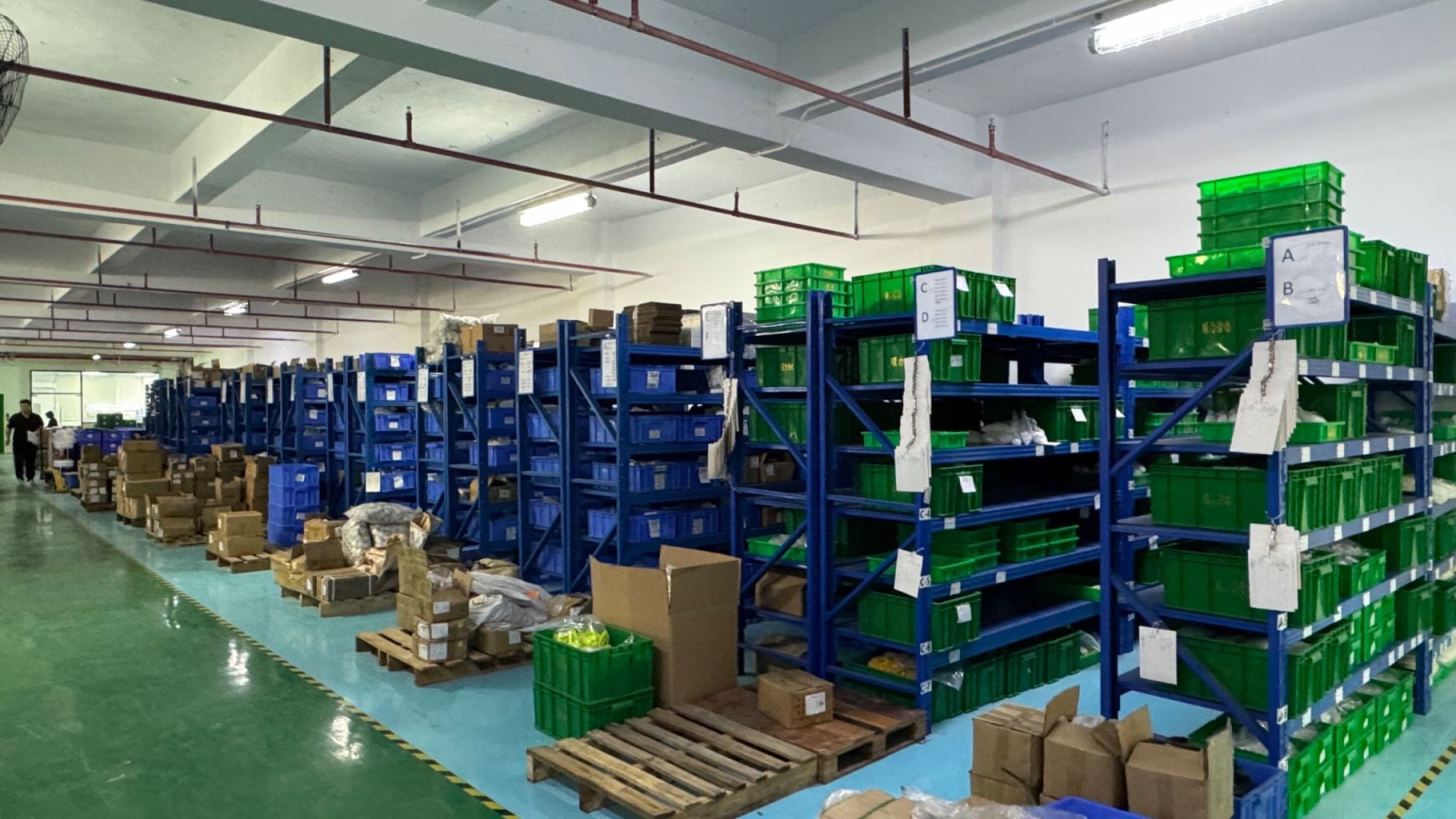
Phase 6: Storage
Climate-controlled industrial warehousing preventing oxidation of precise metallic joints.
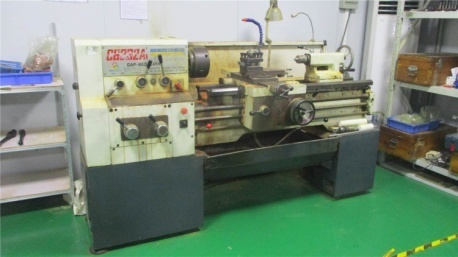
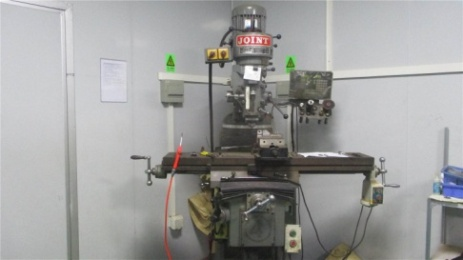
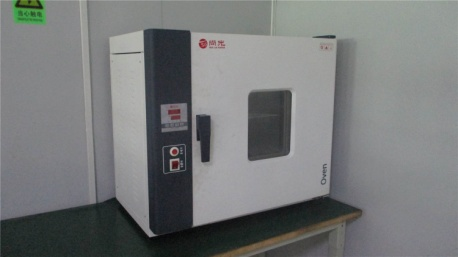
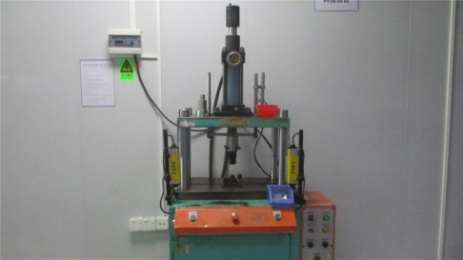
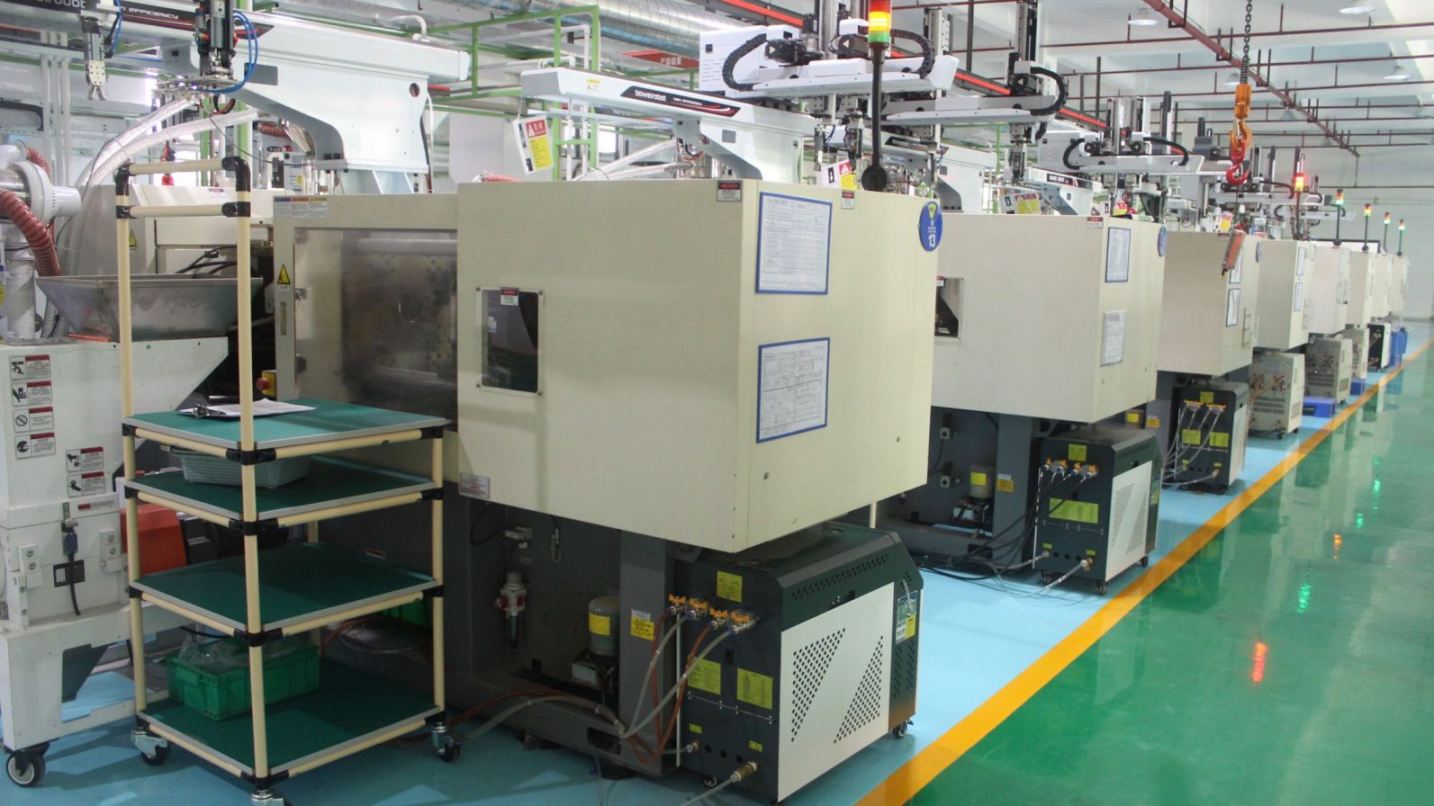
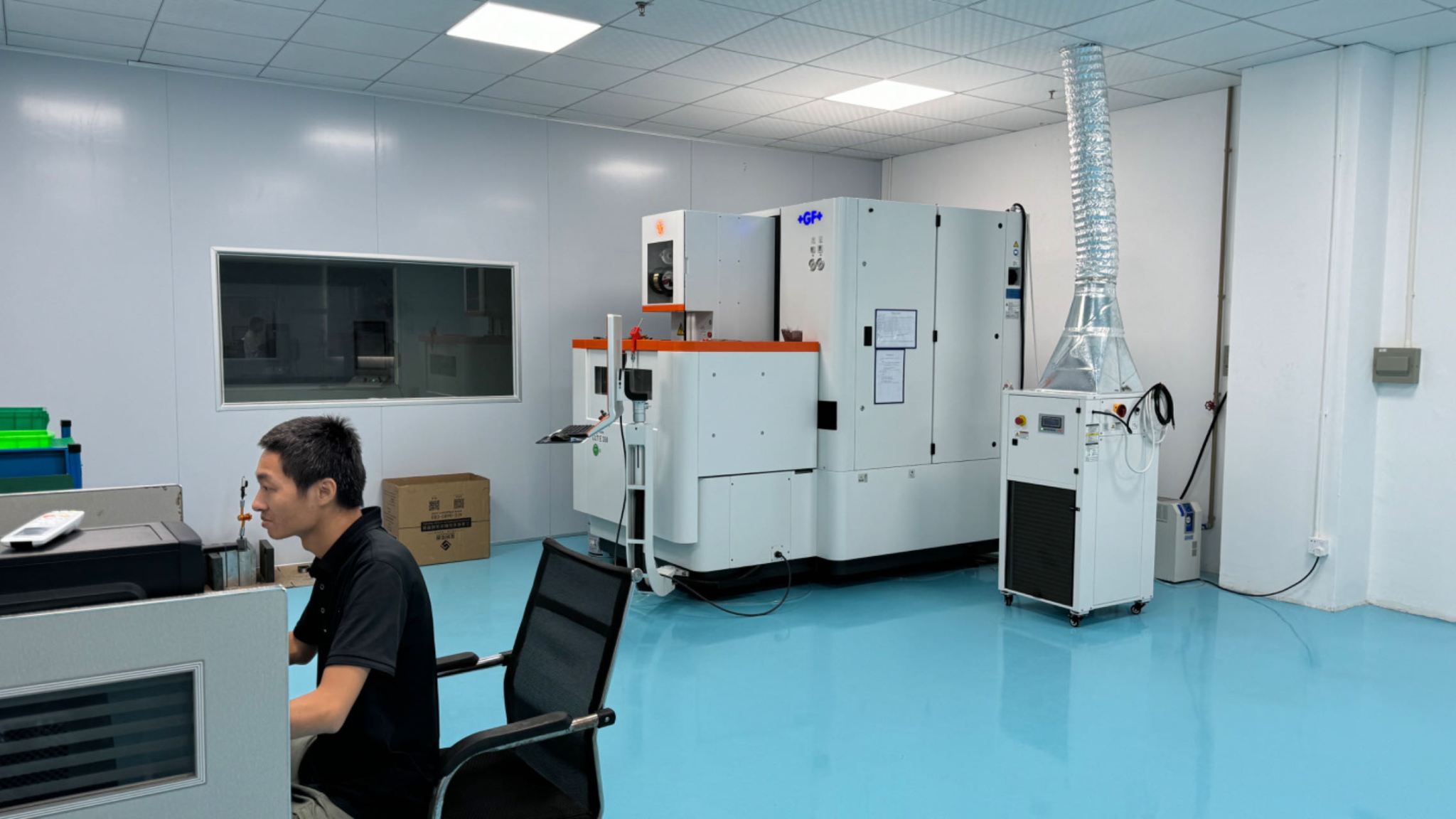
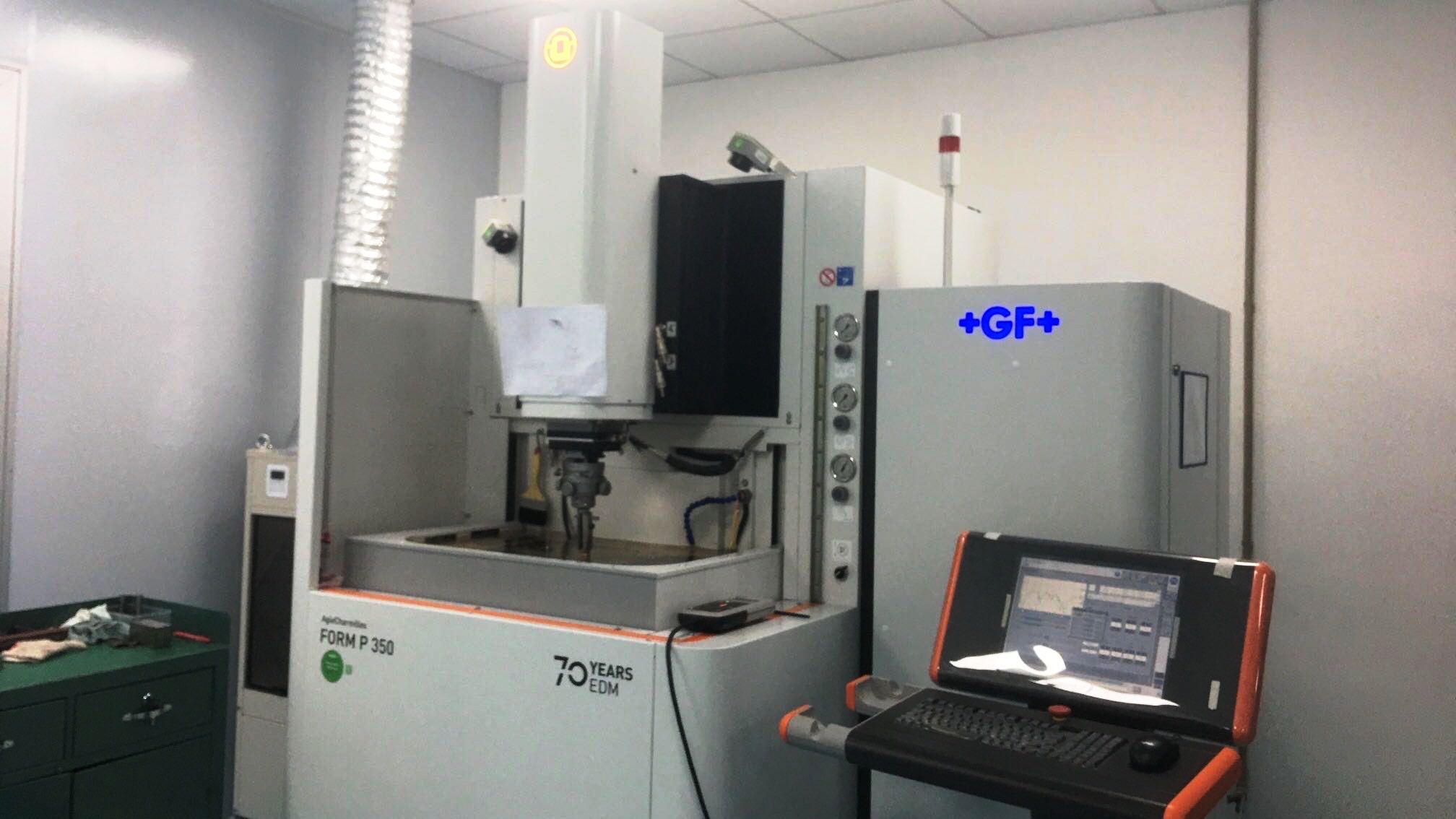
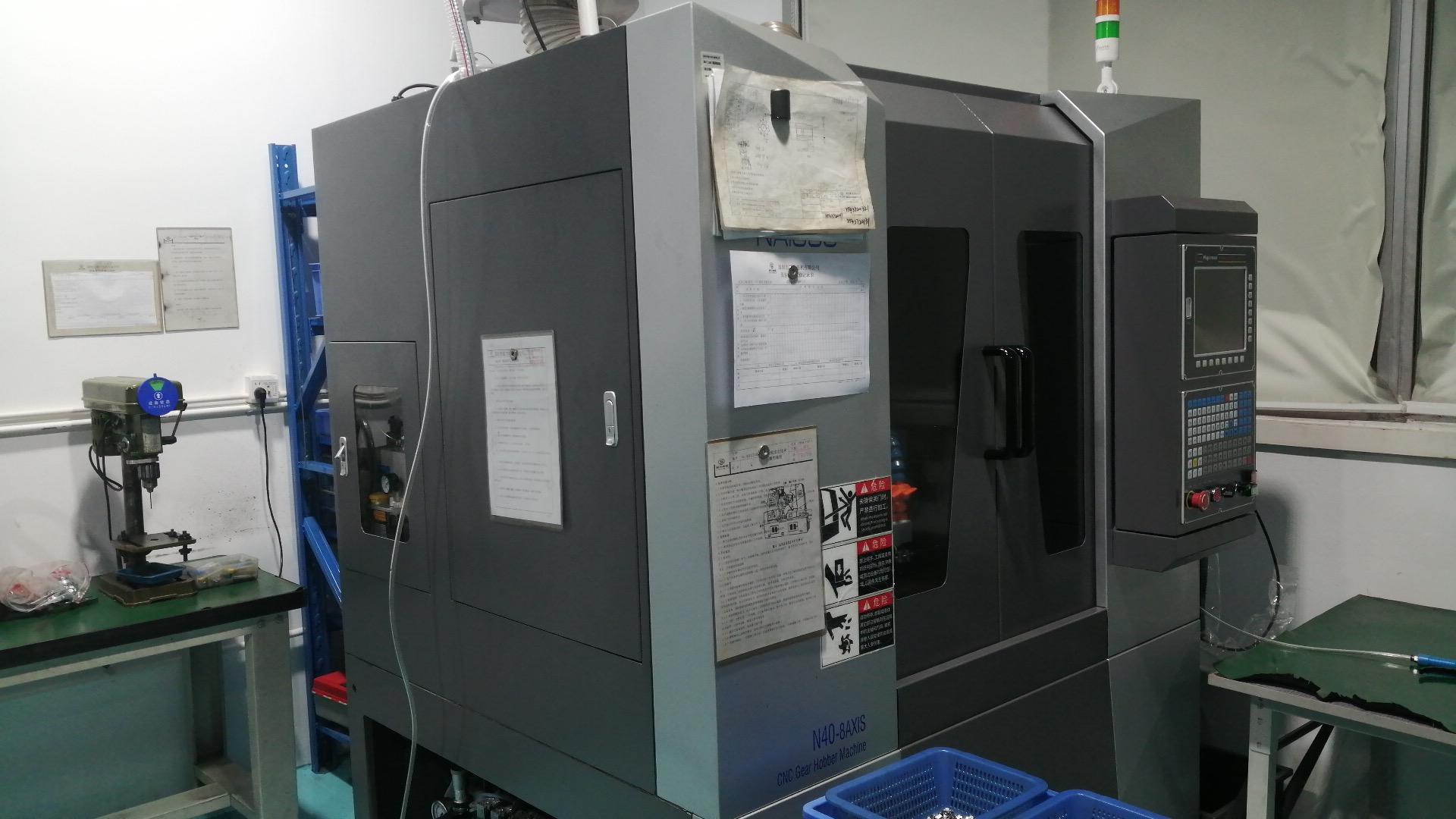
3. Machinery, Tooling, and Manufacturing Infrastructure
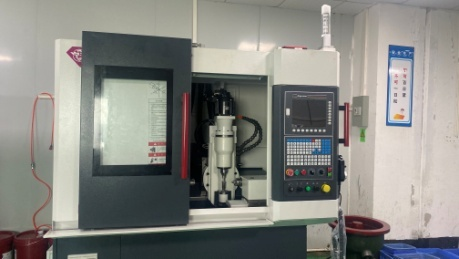
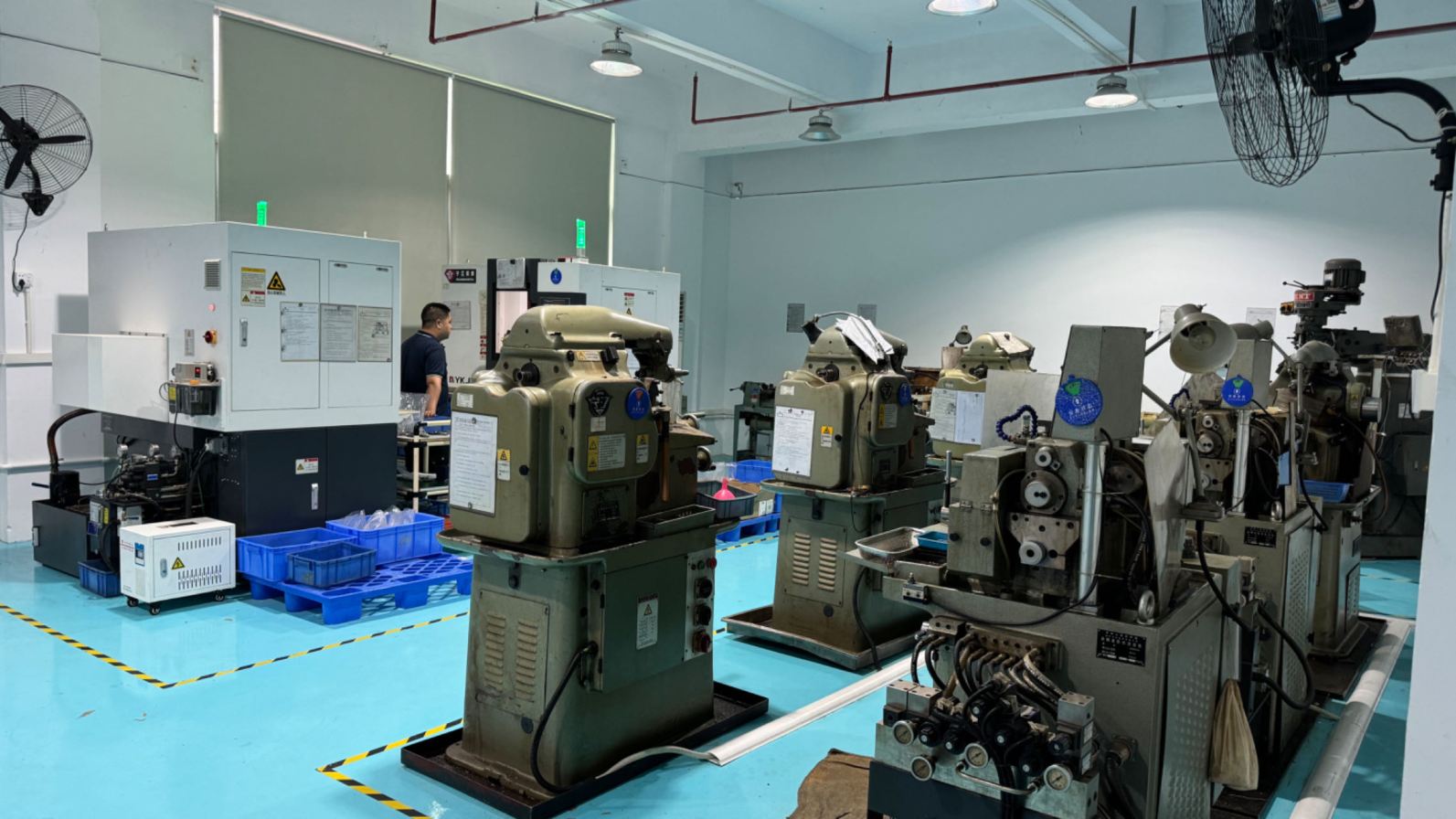
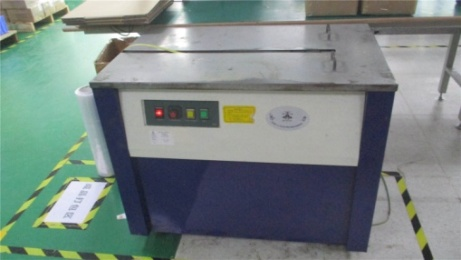
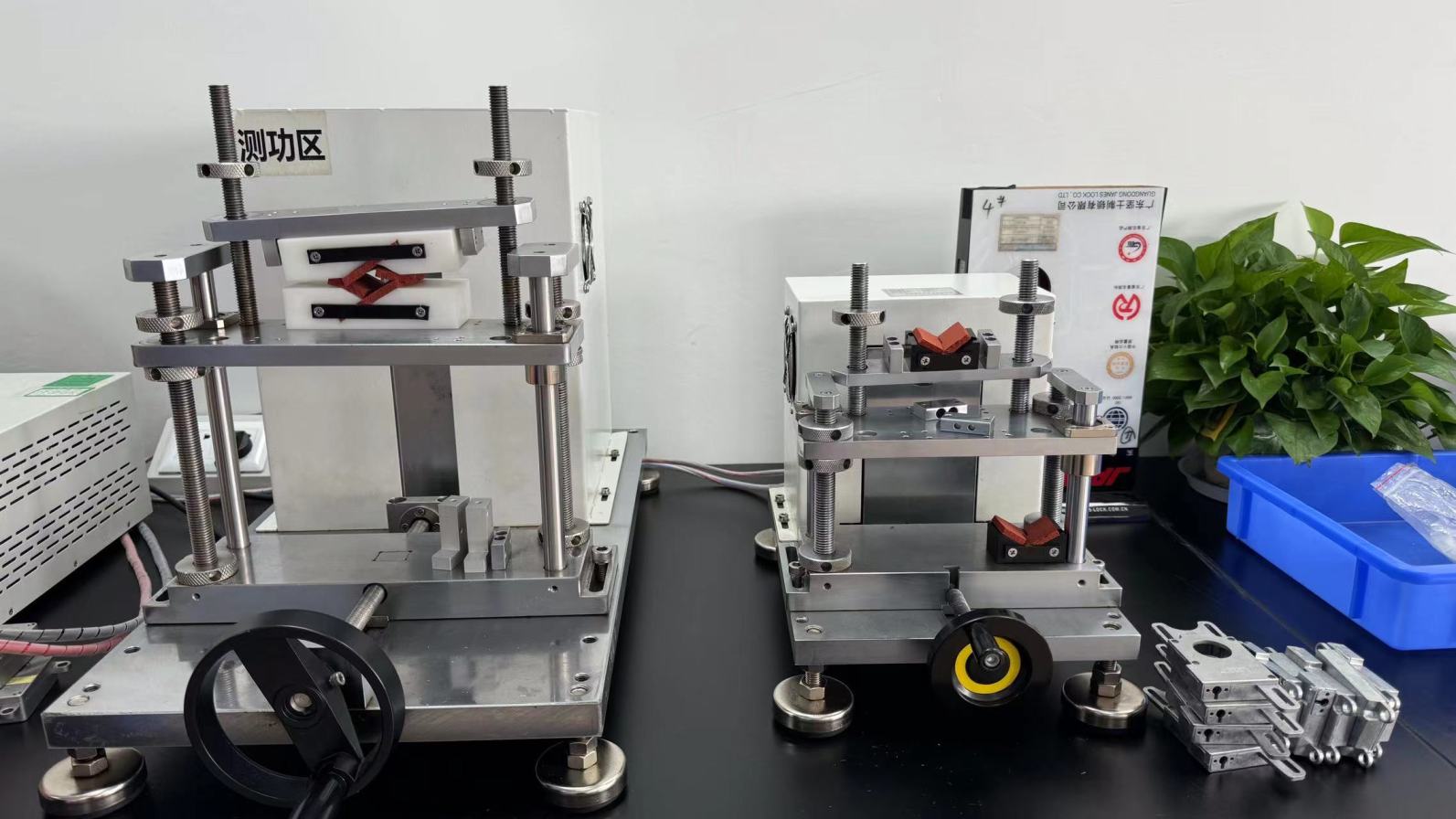
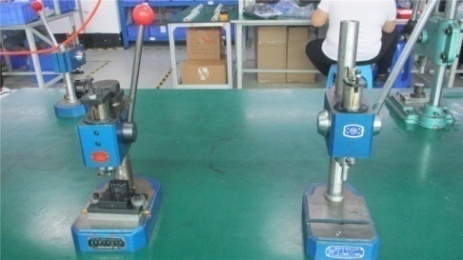
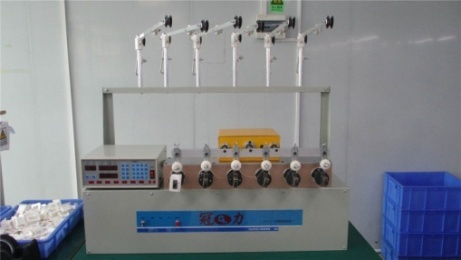
Exhibiting our advanced mechanical tooling and automated workshops ensuring tight component tolerances and scalable batch execution.
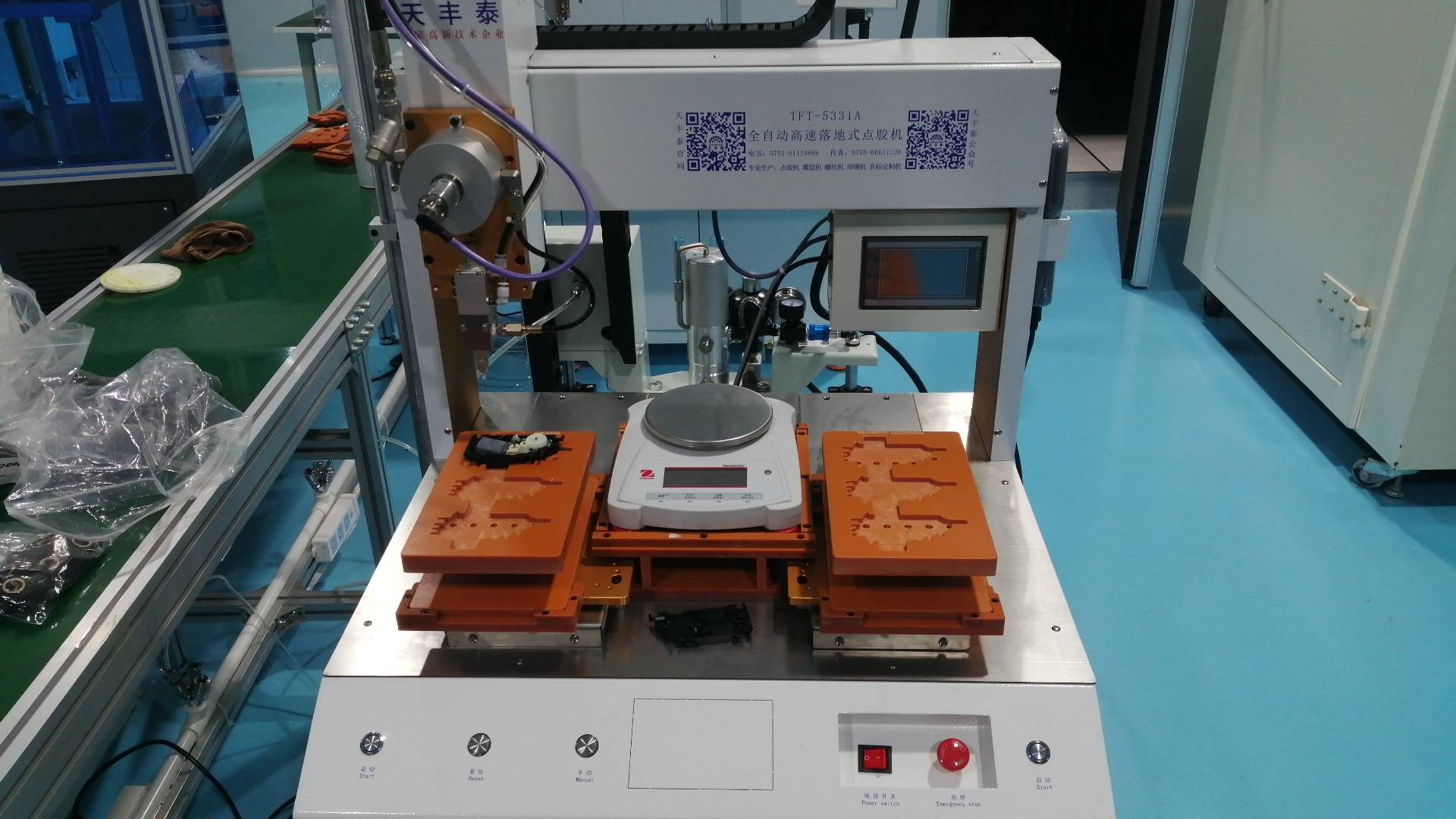
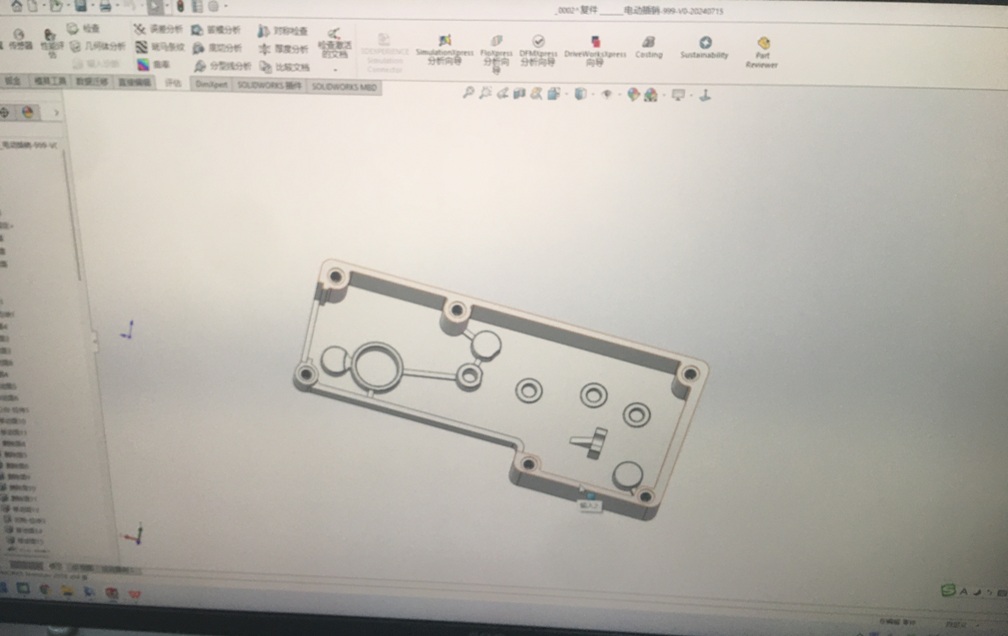
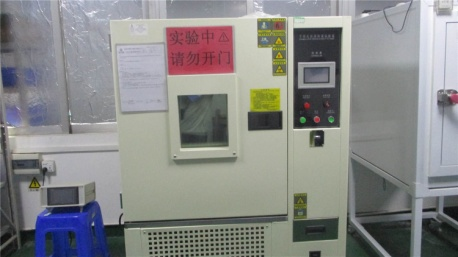
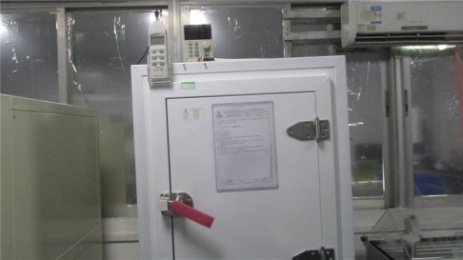
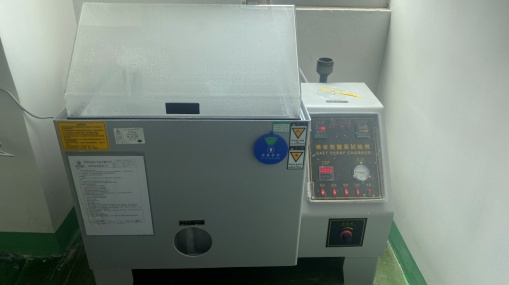
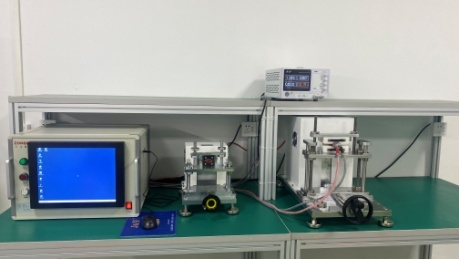
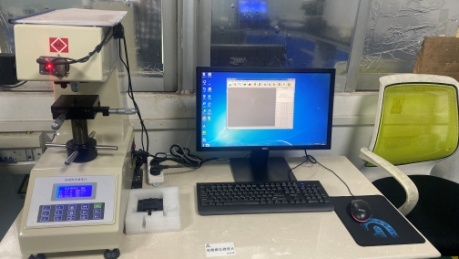
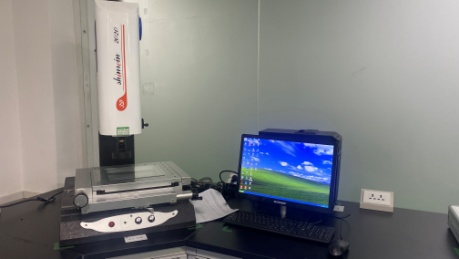
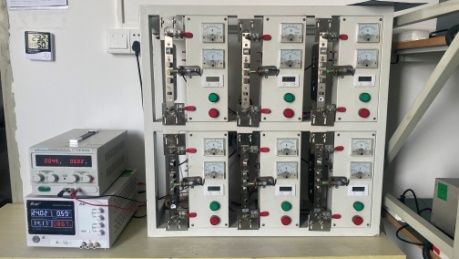
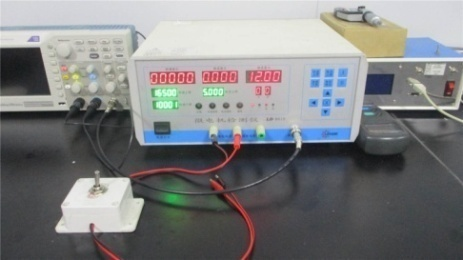
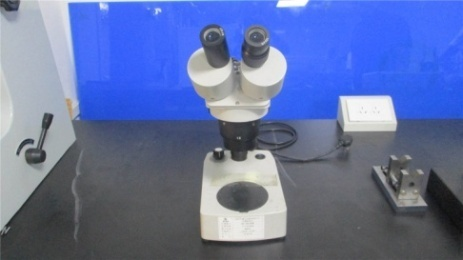
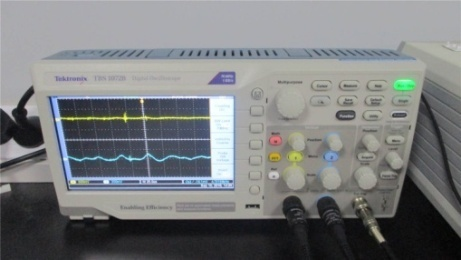
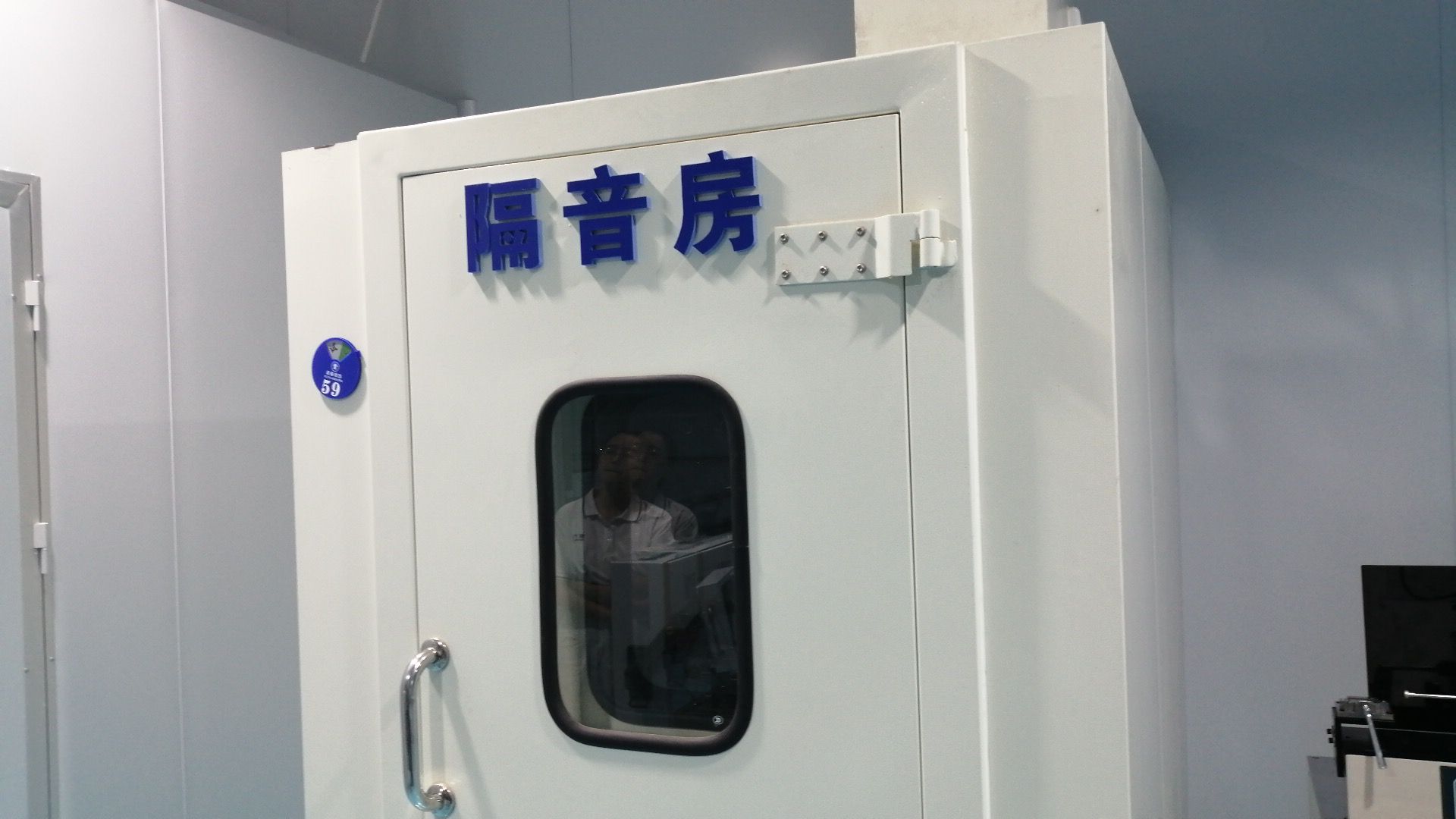
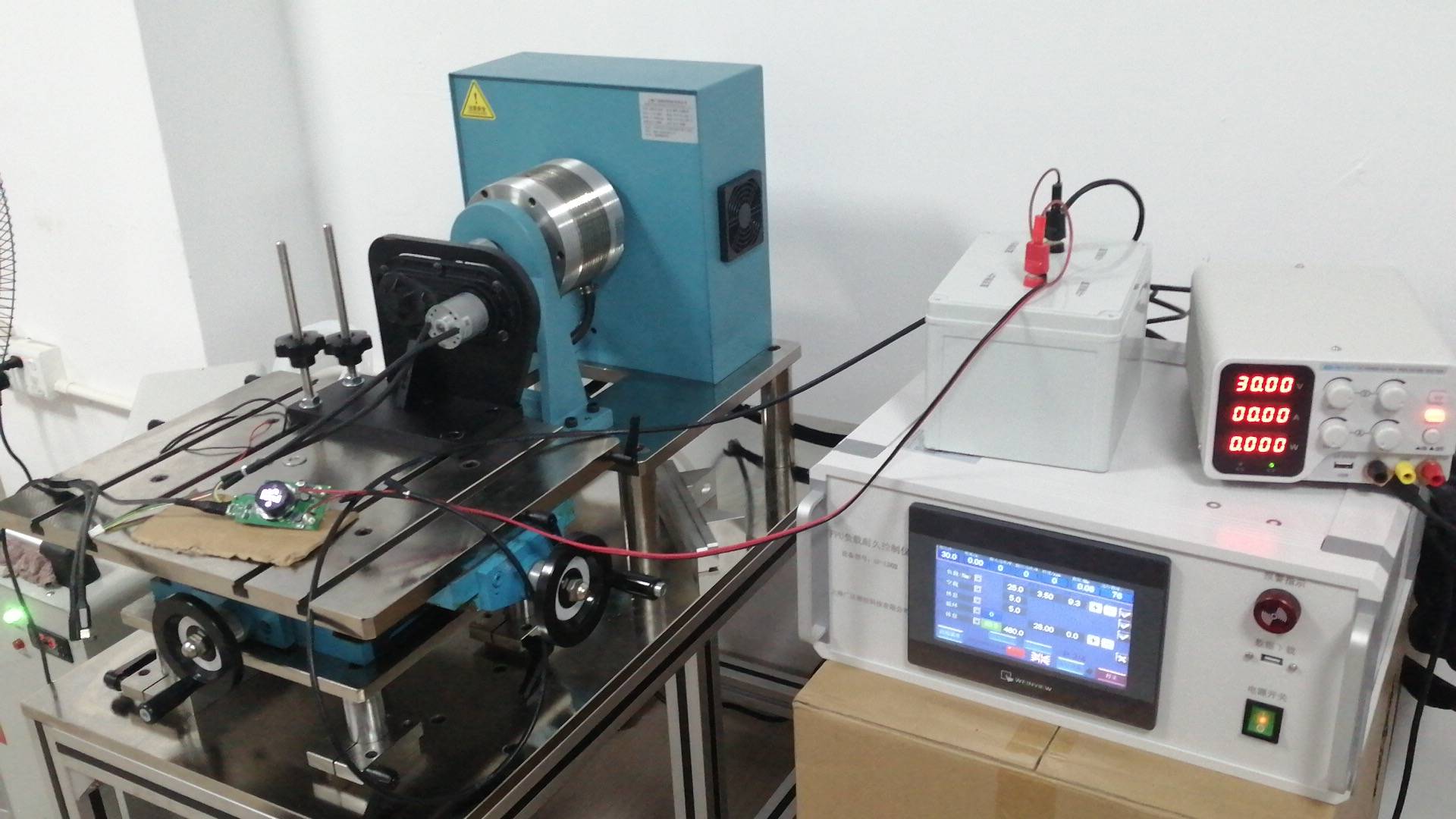
4. Rigorous Quality Assurance & Metrology Laboratory
Validating mechanical, electrical, and climatic performance parameters with certified testing instrumentation to guarantee long-life field reliability.
5. Core Technical Roadmap & Future Outlook
Evaluating crucial engineering methodologies, material transformations, and system solutions driving micro-electric actuators forward.
1. Decarbonization and the Push for High Power Density
The electrification of minor auxiliary components—such as automotive thermal control systems, residential fresh-air units, and smart medicine dispensers—presents strict efficiency constraints. Compact DC motors are forced to transit from conventional ferrite magnets to Sintered Neodymium-Iron-Boron (NdFeB) magnets. This material shift substantially increases air-gap flux density, allowing motor footprints to shrink by up to 35% while yielding equivalent mechanical power outputs. To balance thermal loads within these denser profiles, manufacturers employ advanced high-fill slot designs and automated precision winding machines to optimize coil geometries.
2. Acoustic Noise Minimization & Tribology Controls
For application landscapes like medical infusion pumps or smart residential locks, low noise levels are critical for user adoption. The acoustic signature of a micro-drive depends on gear profile geometries, mechanical tolerances, and shaft alignment. By utilizing precision-ground gearboxes hobbed on machinery like the NINGJIANG Tooling system, manufacturers achieve consistent tooth-engagement profiles, reducing transmission errors and tooth-flank abrasion. Incorporating synthetically optimized fluorinated greases guarantees consistent micro-friction characteristics across temperature variations from -40°C to +85°C.
3. Smart Control Feedback: Encoders, Commutation & Integrated Drives
Traditional open-loop motor drive setups are rapidly yielding to integrated intelligent drive modules. Integrating magnetic hall-effect encoders directly onto the motor's rear shaft plate enables sub-degree precision feedback, essential for automotive air conditioners, valve controllers, and robotics. Integrating compact drive controllers with micro-gearmotors not only simplifies device integration for B2B buyers but also mitigates Electromagnetic Interference (EMI), easing the compliance certification path under global standards like FCC and CE.
6. Localized Application Architectures & Macro Industry Solutions
How specialized compact motors deliver solutions across crucial commercial and industrial domains.
Smart Homes & Security Systems
Residential automation demands high-torque output from miniature footprints. Micro gearmotors are standard in smart door locks, automated blind mechanisms, and appliance controls. High startup torque and micro-scale precision ensure consistent mechanical action and prolonged operational lifespan.
Automotive Auxiliary Actuators
Modern vehicles rely on multiple micro-drives for cabin climate control, air vent louvers, headlight leveling, and electronic lock systems. These applications require robust component resistance to wide temperature shifts, heavy vibrations, and intense moisture ingress.
Medical & Scientific Automation
From insulin pumps and liquid analyzers to peristaltic pumps, medical devices demand exceptional reliability and precise output control. Utilizing high-efficiency coreless DC and stepper motors allows for low battery usage and precise fluid control.
7. Choosing the Right Micro Motor Supplier: A Strategic Checklist
Evaluating crucial variables for technical buyers to secure sustainable OEM/ODM partnerships.
1. Design Modification Capacity
Industrial machinery integration rarely allows off-the-shelf motor housings. Ensure your selected manufacturer has the in-house engineering depth to modify shaft profiles, integrate specific terminal connectors, mount custom gearboxes (e.g., planetary, spur, worm), and optimize coil windings for specific input voltages.
2. Rigorous In-Line & End-of-Line QA Testing
Avoid suppliers that rely solely on random batch checks. High-quality production lines integrate 100% end-of-line tests evaluating key parameters: no-load speed, starting torque, operational current, insulation resistance, and mechanical runout.
3. Environmental & Compliance Credentials
Global trade requires adherence to various environmental directives. Verify the manufacturer maintains active RoHS, REACH, and CE compliance documentation. This ensures your final product will navigate customs audits and satisfy target market standards.
4. Raw Material Integrity & Sourcing Stability
Consistently clean running performance starts with raw material selection. Ask prospective suppliers about their magnetic sheet laminations, copper coil purities, and bearing choices (e.g., oil-impregnated bronze bushings vs. miniature ball bearings for high radial loads).
8. Technical Q&A: In-Depth Engineering Insights
Addressing common design, application, and integration questions raised by system engineers and procurement specialists.
Planetary gearboxes distribute mechanical loads across multiple planetary gears, offering higher torque densities, superior shock resistance, and minimal backlash in a compact form factor. This makes them ideal for demanding applications like electric lock actuators or robotics. Spur gearboxes are simpler and more cost-effective, ideal for low-torque, budget-sensitive applications like automated toys, rotating displays, and simple household appliances.
High operating temperatures can degrade insulation varnishes, accelerate lubricant breakdown, and cause permanent demagnetization of NdFeB magnets. Proper thermal management, including high-fill stator slot patterns, high-temperature wire insulation, and carefully selected synthetic greases, is essential to ensure long-term reliability in environments spanning from -40°C up to +85°C.
Unbalanced rotors generate centrifugal forces that lead to increased acoustic noise, bearing wear, shaft deflection, and commutator bounce. By performing dynamic balancing checks during assembly, manufacturers can minimize structural vibrations, reduce noise, and extend the overall operating life of the motor.
EMI in brushed DC motors arises from the rapid electrical switching (arcing) between the commutator segments and brushes. This high-frequency noise can interfere with adjacent control circuits. Mitigation strategies include placing capacitors or varistors across the motor terminals, utilizing shielded lead wires, or transitioning to brushless DC (BLDC) designs for sensitive medical or communication equipment.
The Ingress Protection (IP) rating defines the motor enclosure's resistance to dust and moisture. For example, automotive HVAC actuators typically require IP54 protection to shield against dust and condensation. In contrast, outdoor locks or marine actuators might require IP67 sealing to prevent water ingress and corrosive damage, necessitating specialized dynamic shaft seals and sealed housings.
Coil resistance determines the maximum current draw at a given input voltage. A lower resistance coil allows higher current flow, resulting in greater starting torque and higher speed, but at the cost of increased heat generation. Balancing coil resistance and wire diameter is critical to matching the motor's performance curve to the target application's load profile.
Premium Compact DC & AC Geared Motor Showcase (Extended Range)
Discover our second tier of precision-engineered miniature gearmotors, micro-steppers, and custom high-torque actuators built for global export.