 Valex Motor
New Zealand Custom Featured High-Torque Solutions
Premium dual-shaft and adjustable speed right-angle gear motors matched specifically for Kiwi dairy automation, sorting machinery, and industrial line upgrades.
New Zealand Industrial & Commercial Demand Dynamics
New Zealand’s distinct economy demands machinery that is built to endure. Characterized by high humidity, coastal salinity, and rigorous food safety requirements, sectors like agritech, primary agriculture, marine mechanics, and viticulture need hardware that can withstand tough conditions. Under these demands, the DC Worm Gear Motor has become a vital component in modern Kiwi operations.
In regional centers like the Waikato, Canterbury, and Southland, the dairy sector relies on automation to maintain its global standing. Right-angle worm gear motors are widely used in automated milking platforms, feed distribution systems, and gate lockouts. Their self-locking capability ensures that even during unexpected power failures, heavy gates and rotating lines lock in place instantly, protecting both operators and livestock.
Along the coasts, marine applications in Auckland’s boating yards and Nelson’s commercial fisheries require compact drives that resist corrosion. Meanwhile, automated packing sheds in the Bay of Plenty (kiwifruit) and vineyards in Marlborough (wine production) require continuous duty-cycle motors for sorting lines, vine trimmers, and bottle labeling. Reliability isn't just about keeping operations running—it's essential for preventing costly downtime during busy harvest seasons.
Self-Locking Safety
Worm gear geometry prevents back-driving, serving as a mechanical hold-brake when electricity cuts off. This is a critical safety feature for overhead lifters, high-speed sorting gates, and agricultural feed hoppers.
Right-Angle Layout
By turning rotational power 90 degrees, these motors fit flush against mechanical frameworks. This makes them ideal for compact conveyor tracks and tight enclosures in commercial machinery.
High-Torque Density
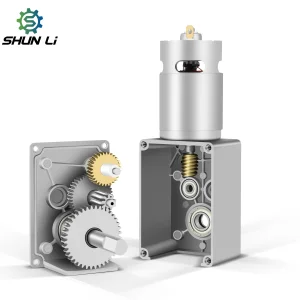
Worm gear reduction offers high reduction ratios in a single stage, converting high speed and low torque into high-torque force with minimal mechanical footprint.
China Factory 4.0: Supply Chain Resilience & Customization
Geographic distance is a key consideration for New Zealand procurement officers, importing engineers, and plant managers. Sourcing components from agents often adds cost and limits custom options. By working directly with a China Factory 4.0 manufacturer like Valex Motor, Kiwi businesses can bypass intermediary markups while gaining access to custom design engineering.
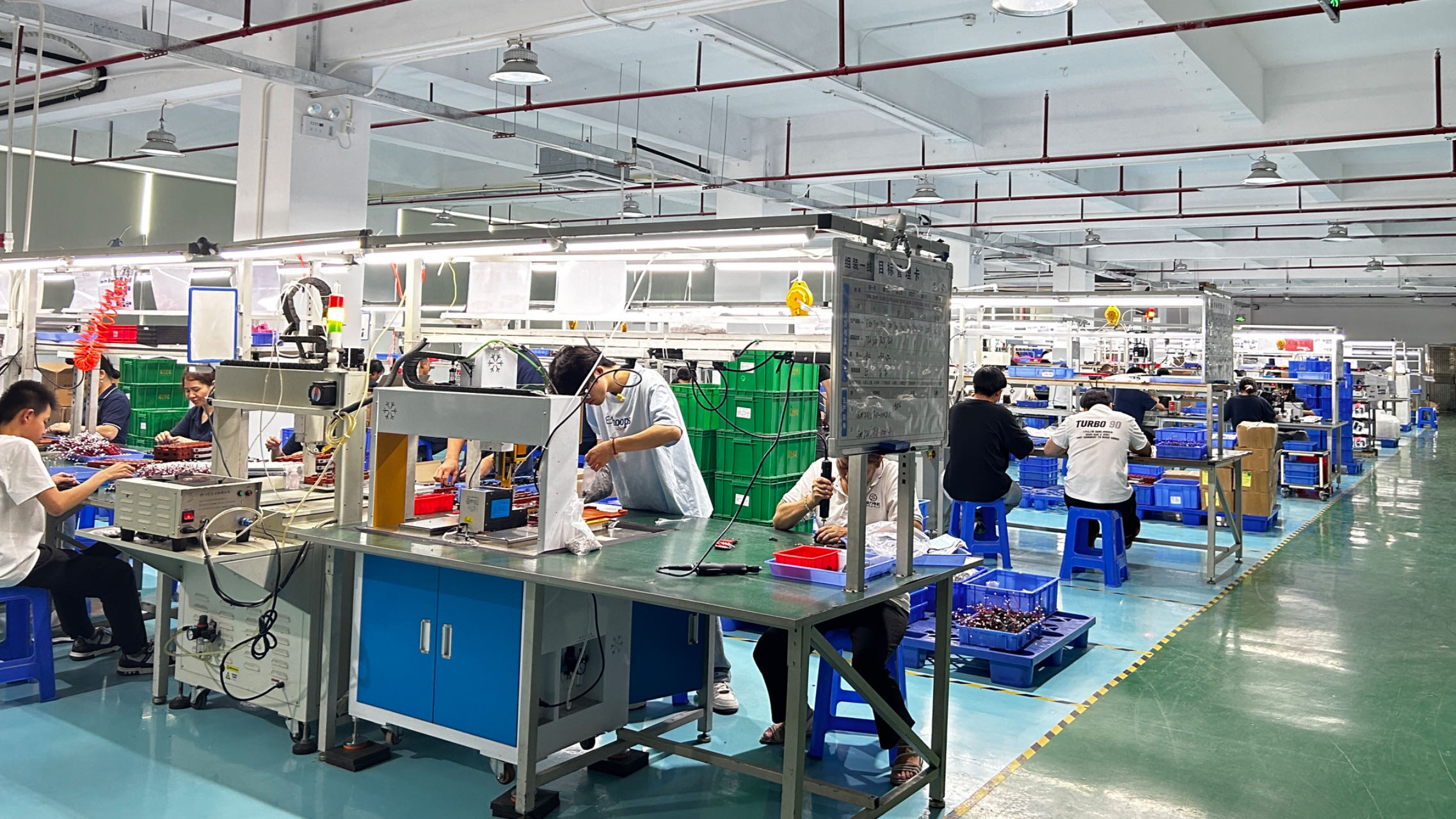
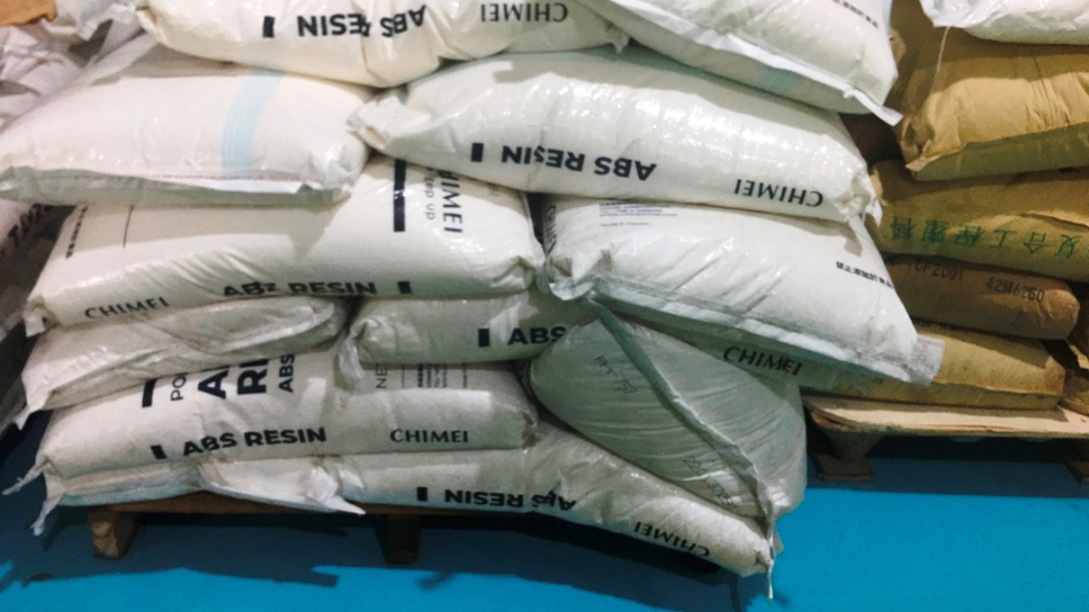
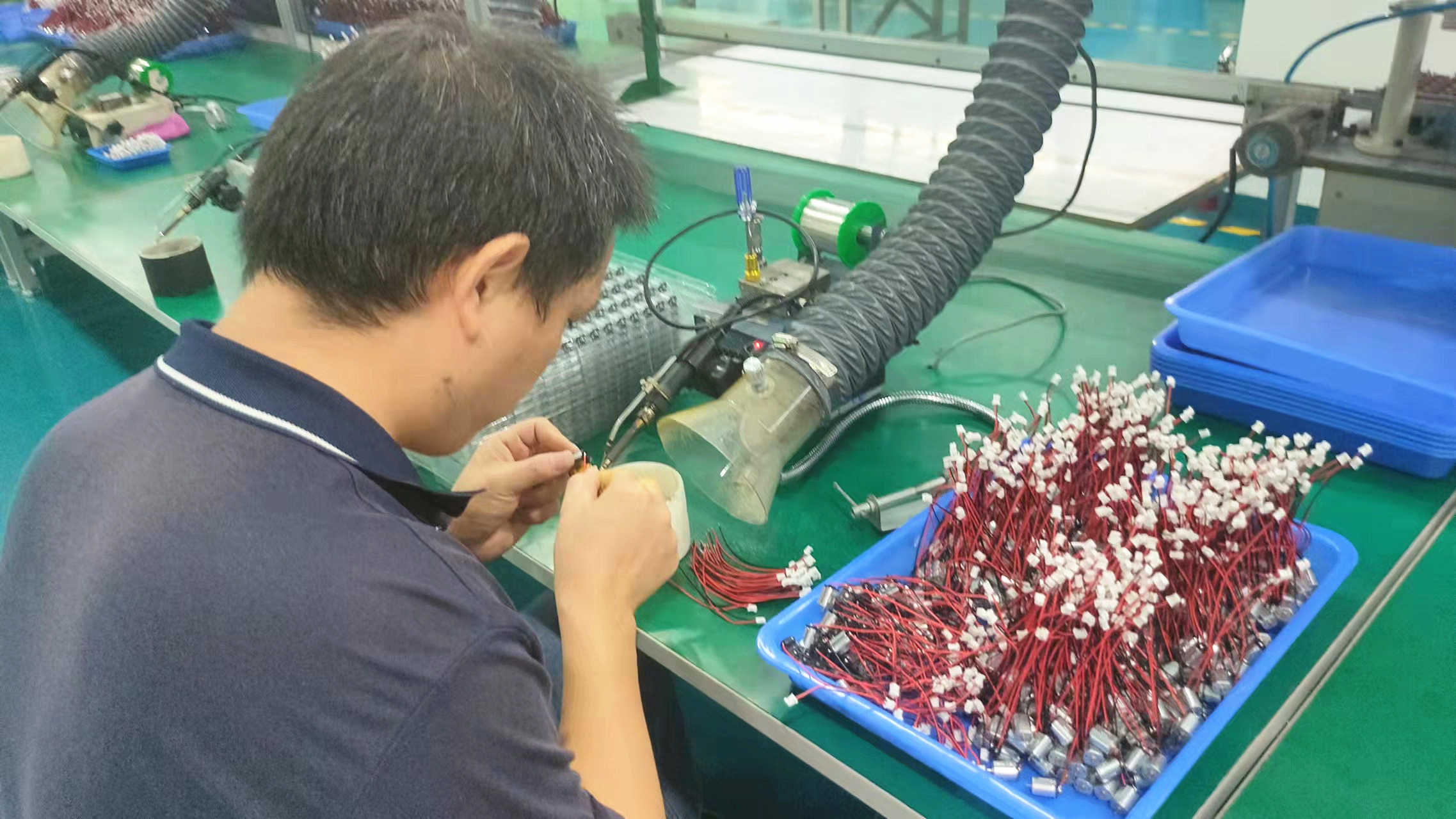
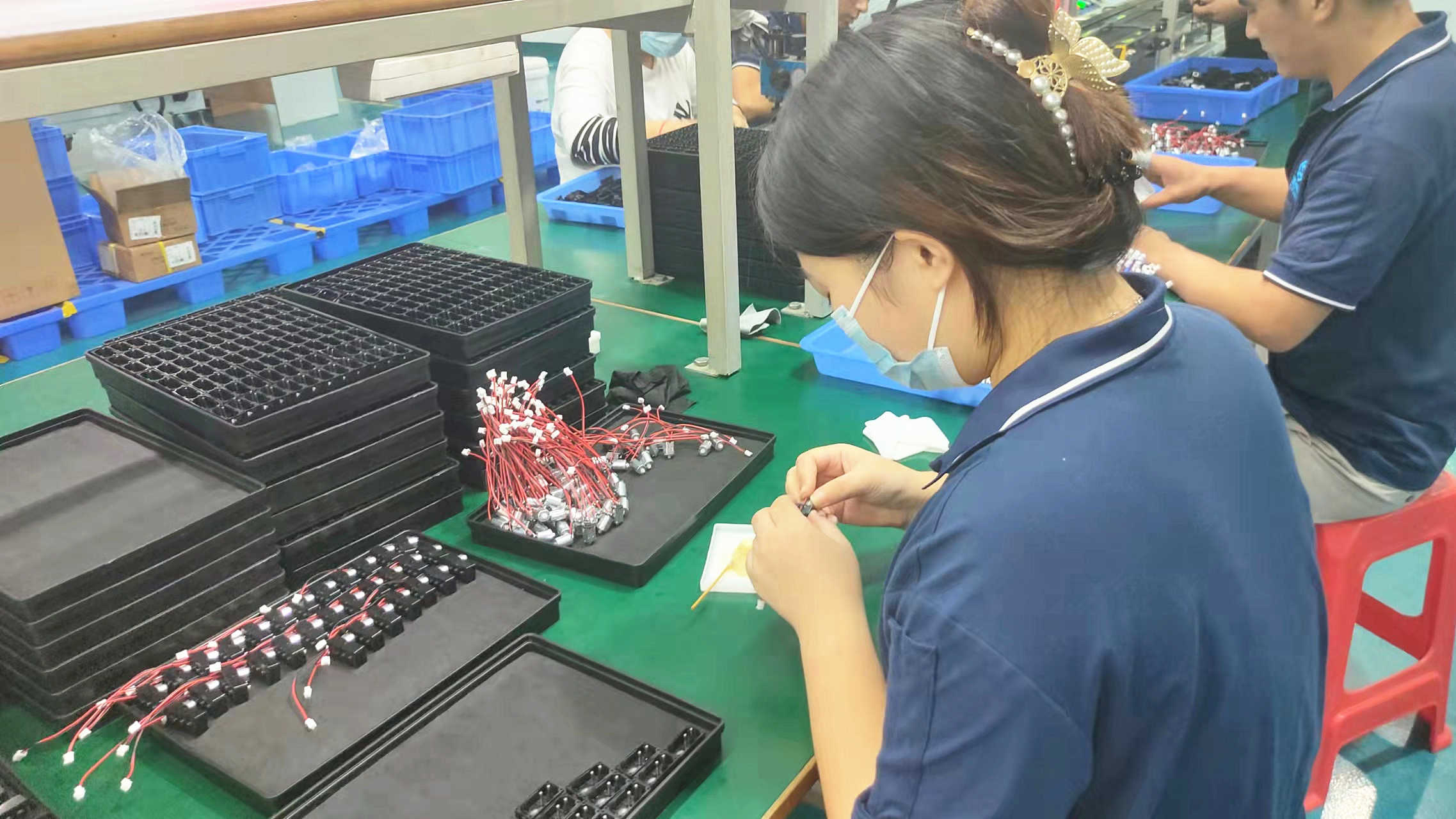
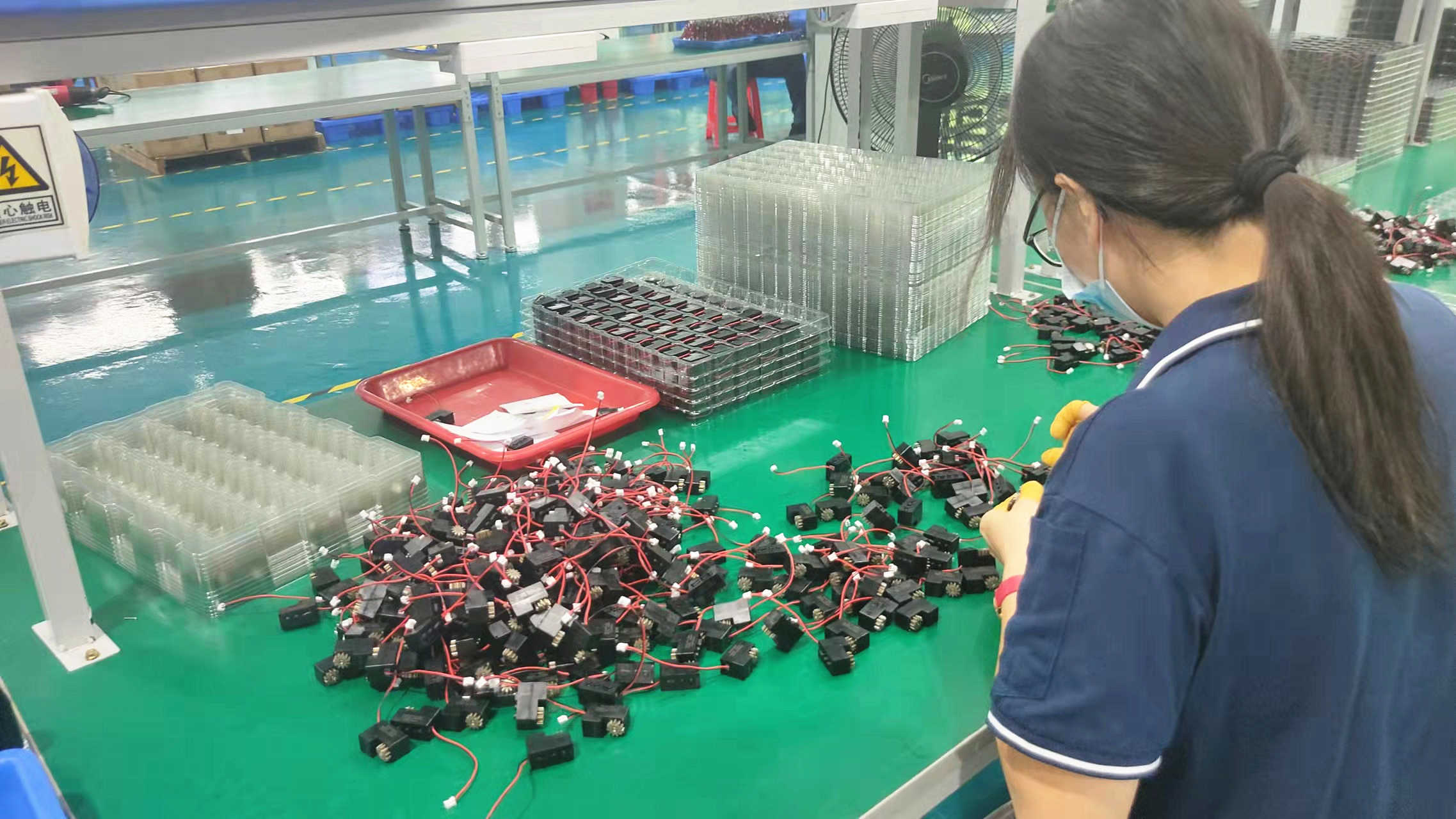
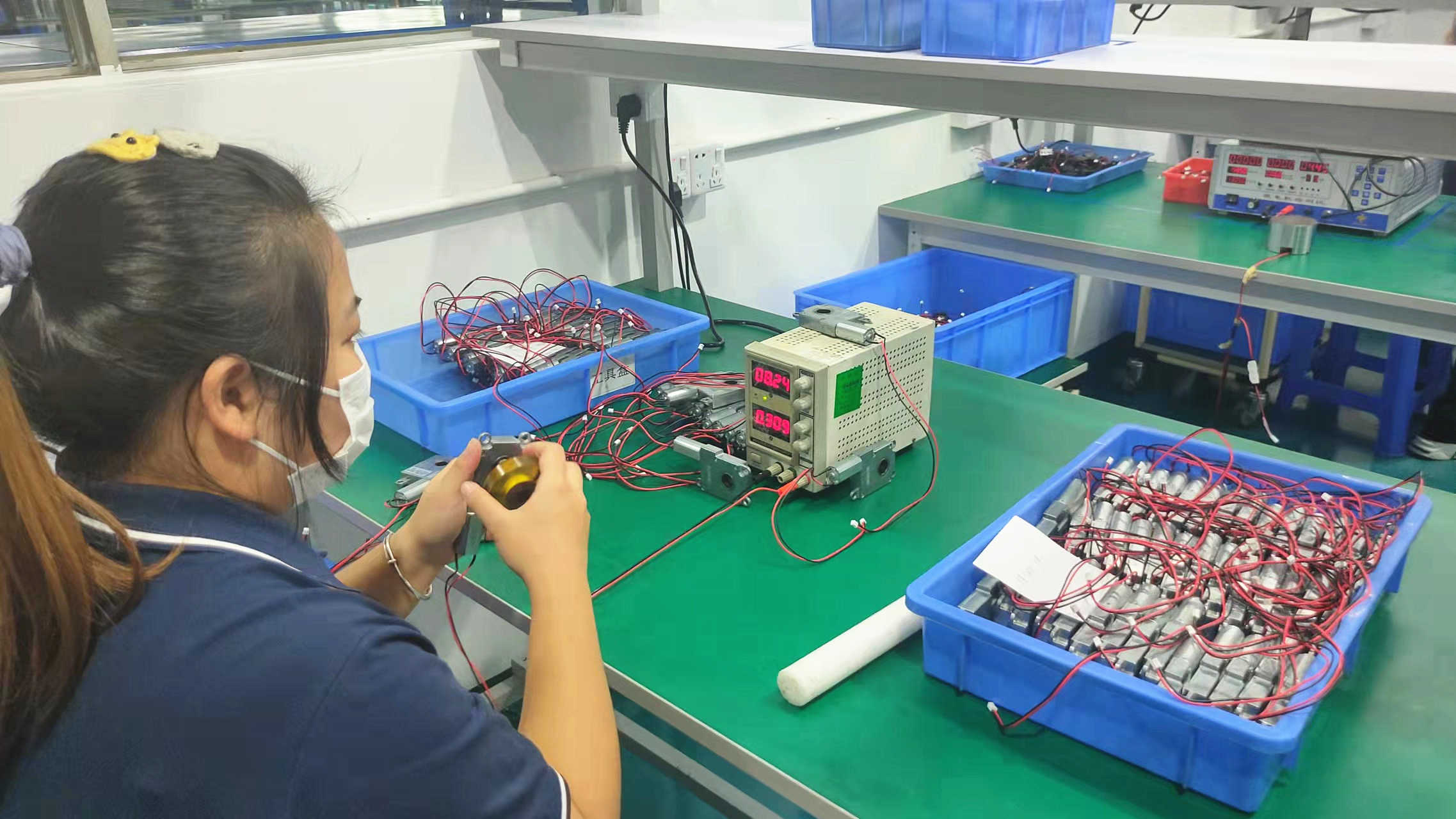
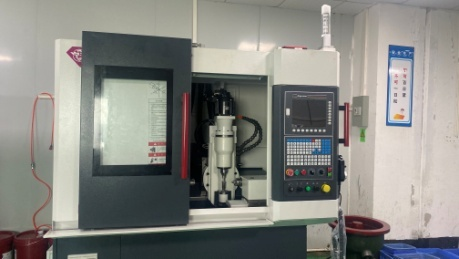
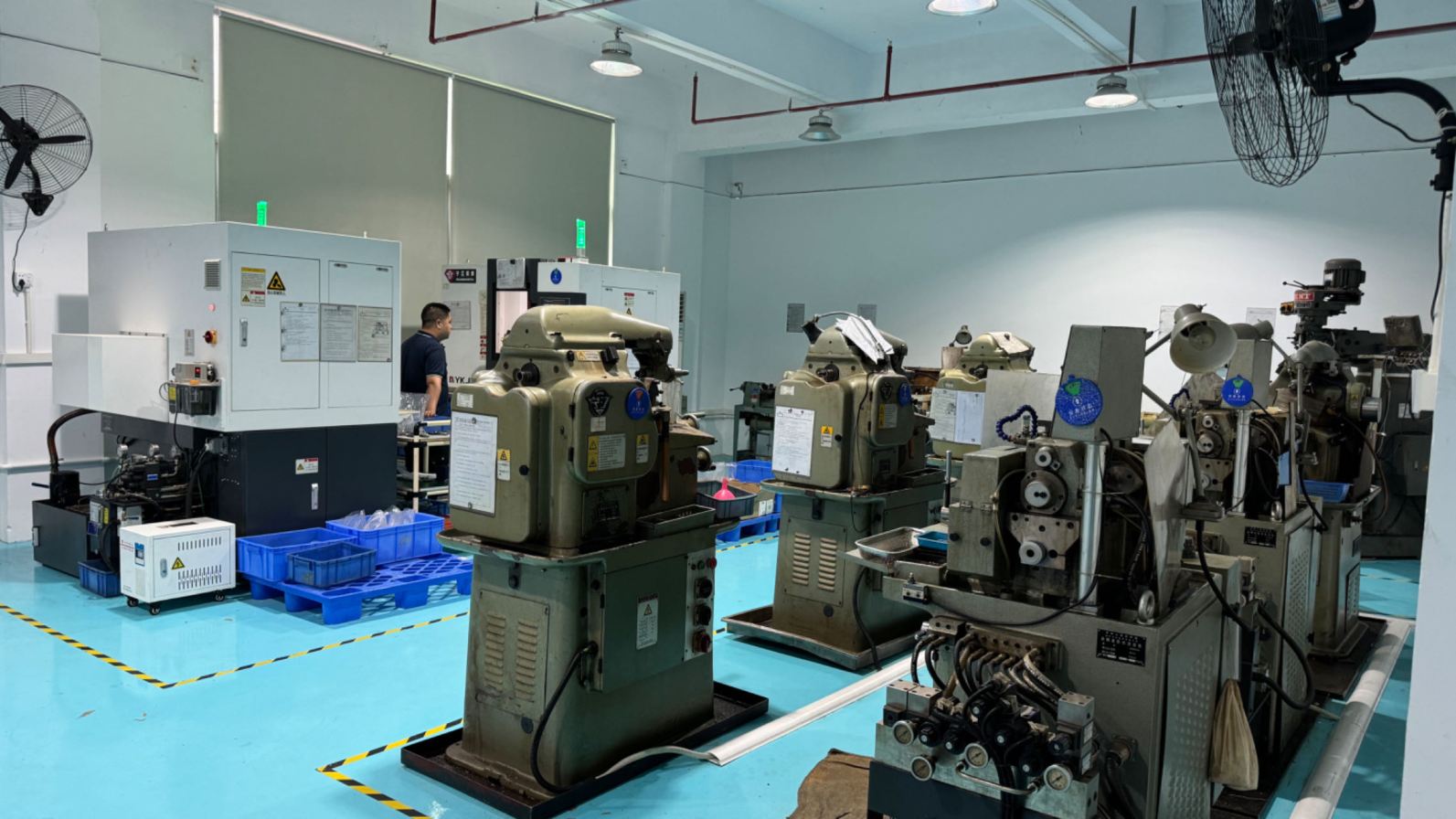
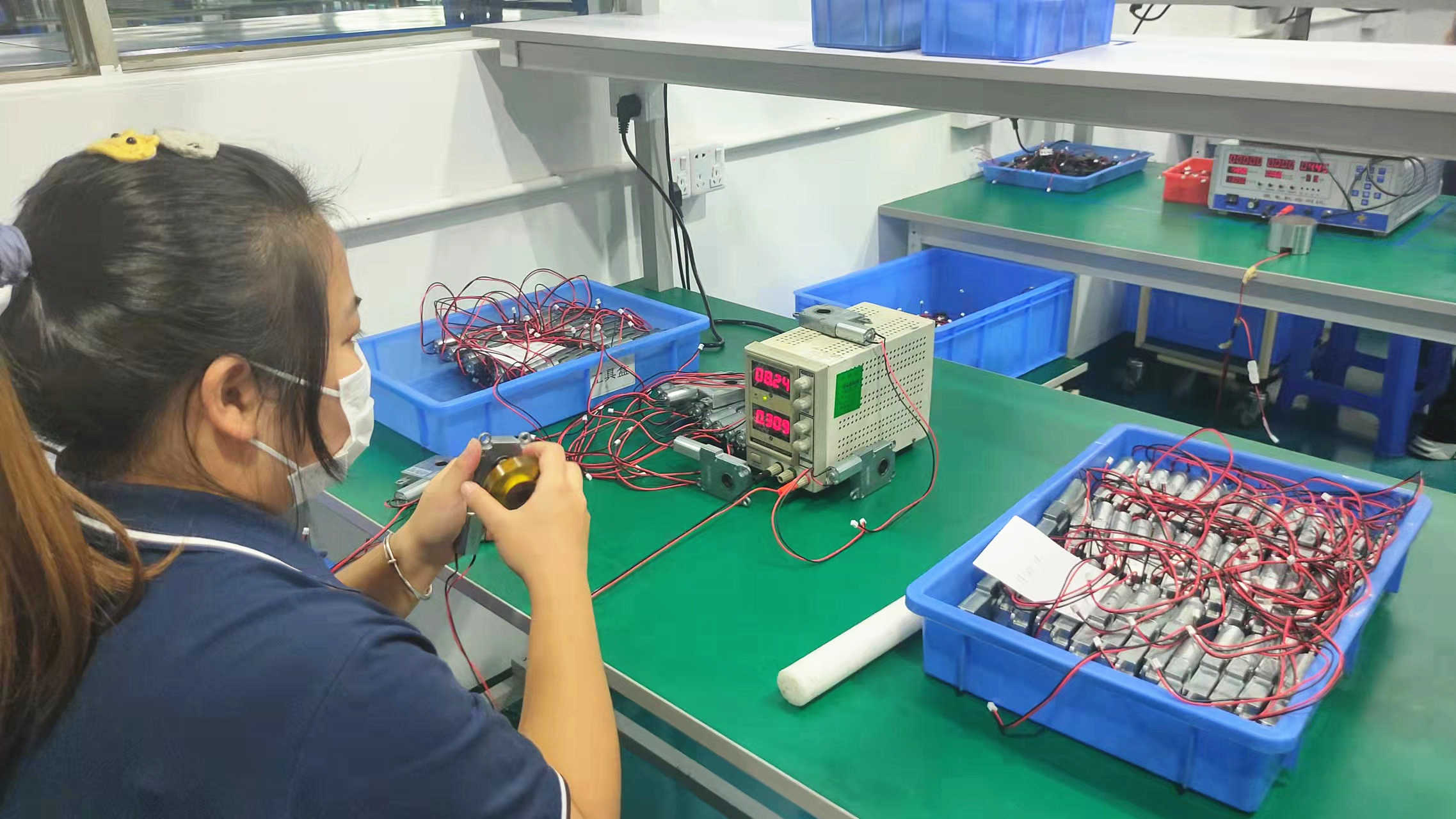
Valex Motor operates automated production lines where design, precision machining, and testing are handled in-house. We source select raw materials, execute precision gear hobbing with high-accuracy horizontal hobbing machinery, wind copper coils with computerized precision, and test every motor using dynamometer technology before packaging.
This end-to-end control allows us to offer custom prototyping. If your system requires a custom shaft configuration, specific wire harnesses, magnetic encoder feedback, or a protective brake mechanism, our engineering team can modify these specifications. This ensures the motors integrate directly into your machines without requiring expensive site-level alterations.
Valex Motor: Industrial-Grade Micro Motors Built for Reliability
Looking for a transparent, direct-from-source China factory to secure your miniature motor supply chain without the middleman markups? Valex Motor is engineered for your peace of mind. We deliver world-class precision drives directly from our manufacturing floors to global production lines under strict zero-defect quality control.
The Valex Motor Advantage at a Glance:
- 20+ Years of Manufacturing Integrity: Established heritage ensuring mature automated production lines and perfectly repeatable batch consistency.
- 100% In-House Performance Testing: Every single motor is rigorously tested for torque, speed, and acoustic noise under industrial loads before shipping.
- Rapid Custom Prototyping: We modify shafts, gearheads, wire harnesses, and encoders to fit your housing requirements.
- Global Compliance Ready: All products are built fully compliant with international CE, RoHS, and REACH safety standards.
When your brand’s reputation relies on repeated, flawless mechanical motion, let Valex Motor handle the power. Get in touch with our English-speaking technical support team today for factory-direct quotes and working samples.
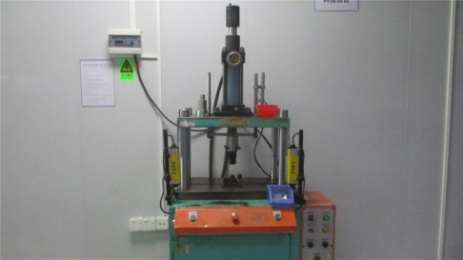
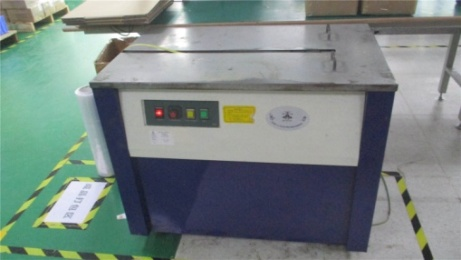
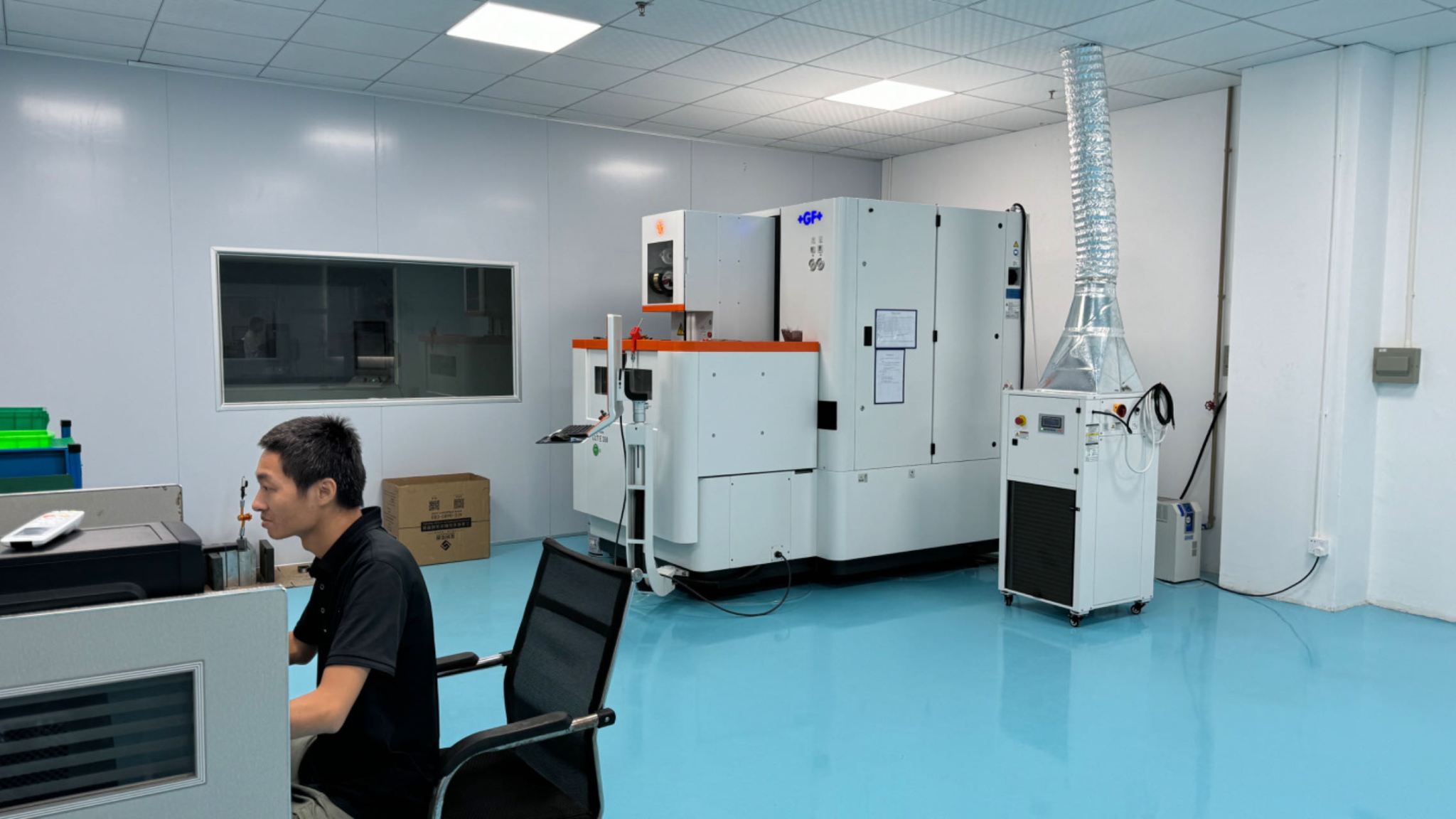
Factory Equipment & Production Capabilities
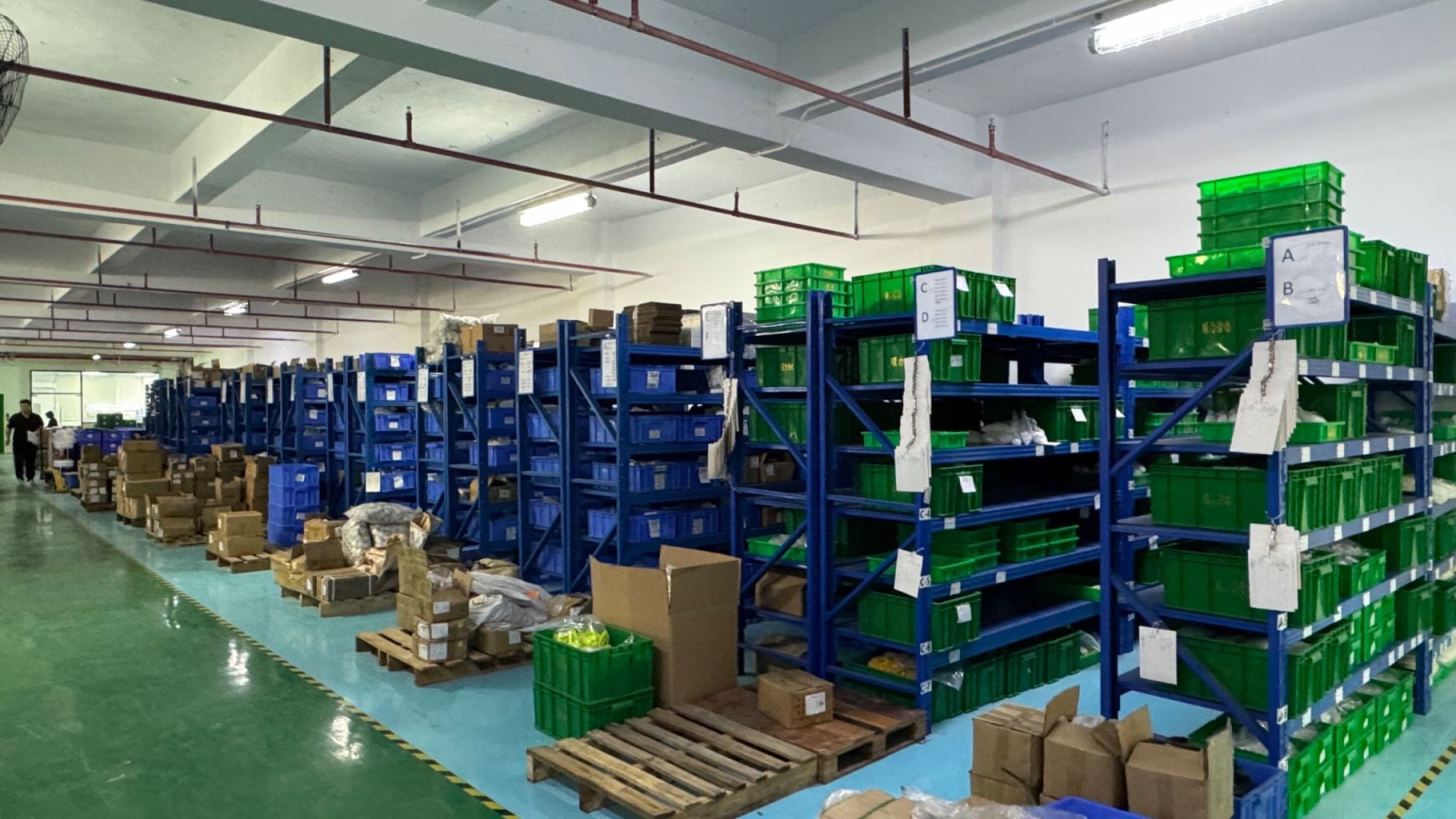
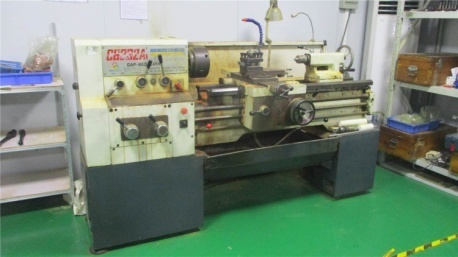
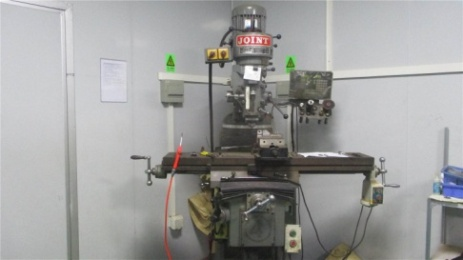
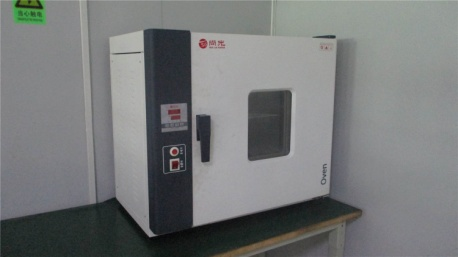
Our facility is equipped with high-precision machinery, from gear hobbers to environmental testing chambers, ensuring that every motor meets high manufacturing standards.
Technical Specifications & Engineering Considerations
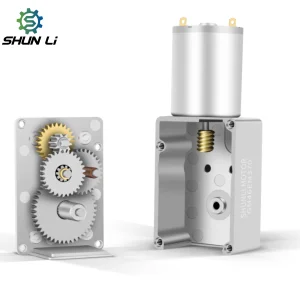
Selecting a DC worm gear motor requires evaluating several key mechanical specifications. Unlike spur or planetary gears, the sliding action of worm gears provides quieter operation but introduces unique thermal and friction considerations. The selection of materials is critical: hardened steel worm shafts should pair with phosphor-bronze gear wheels to reduce wear and handle friction heat during extended runs.
A primary design consideration is the self-locking feature. This occurs when the lead angle of the worm shaft is small enough that the friction angle exceeds it, preventing the output shaft from driving the input shaft. This feature acts as a mechanical hold for hoist or positioning systems. However, dynamic vibrations or shock loads can cause slipping, so high-load configurations should incorporate electromagnetic brakes or encoders for precise feedback.
For demanding environments like New Zealand's agriculture or maritime sectors, sealing is essential. Standard IP30 ratings are insufficient for dairy sheds exposed to washdowns or marine setups exposed to salt spray. We work with clients to provide custom housing designs, double-lipped shaft seals, corrosion-resistant paints, and custom grease formulations to ensure reliable performance under harsh local conditions.
Dynamometer Analysis
Ensures accurate mapping of torque, speed, and efficiency under simulated load conditions, validating performance before dispatch.
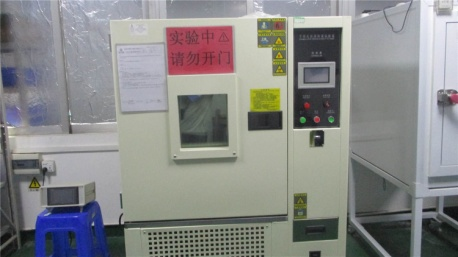
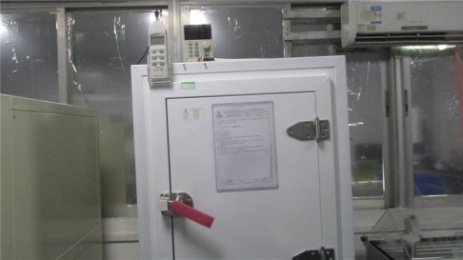
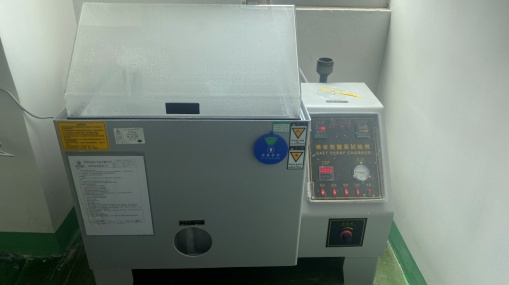
Environmental Testing
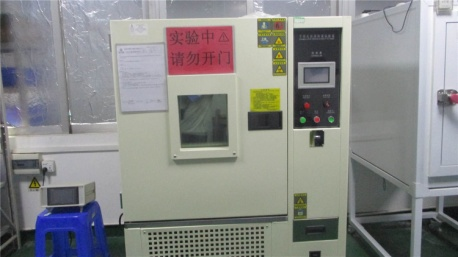
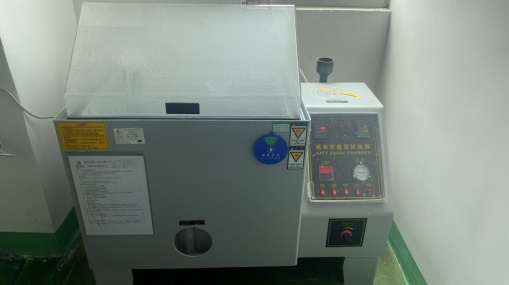
Includes salt spray testing and programmable temperature/humidity chambers to confirm reliability in humid or coastal environments.
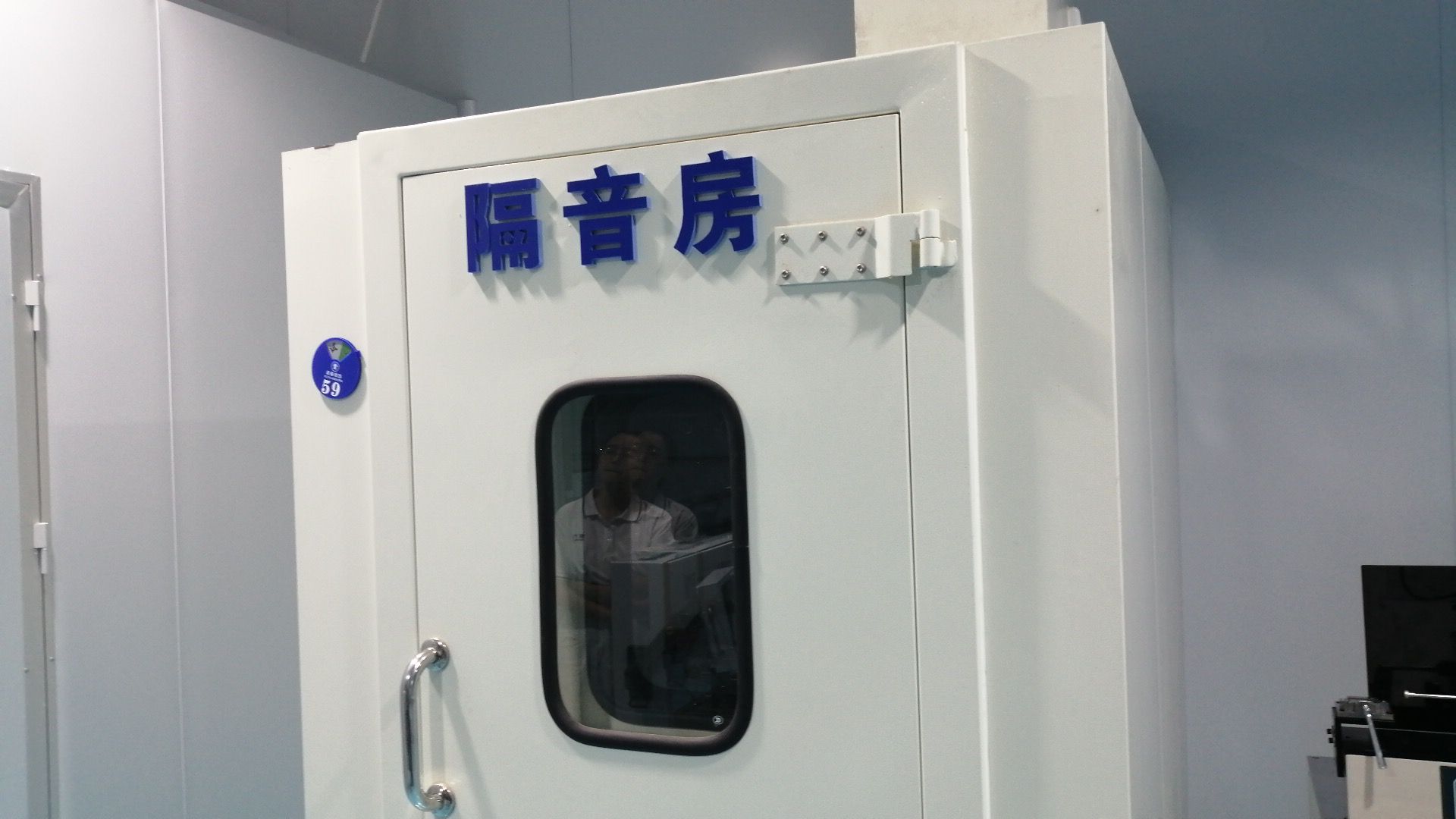
Acoustic & Vibration Control
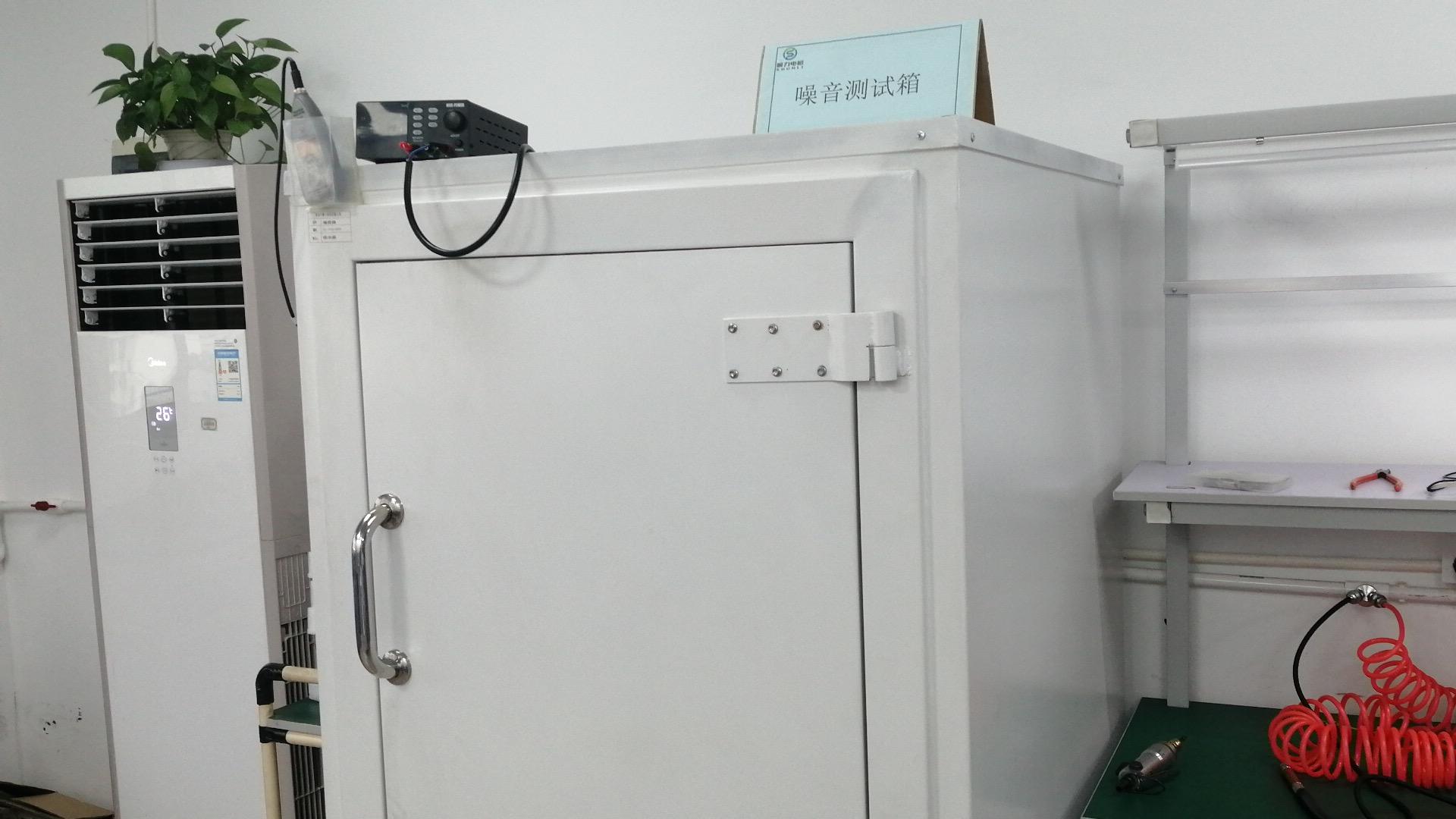
Testing in dedicated noise-damping chambers ensures quiet operation, suitable for low-noise applications like medical equipment and hospitality systems.
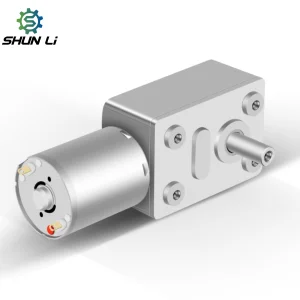
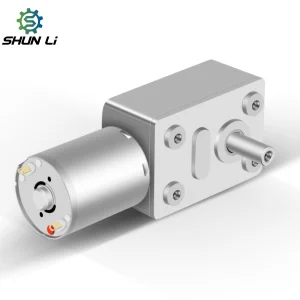
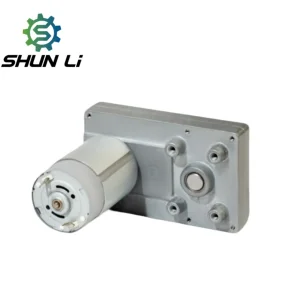
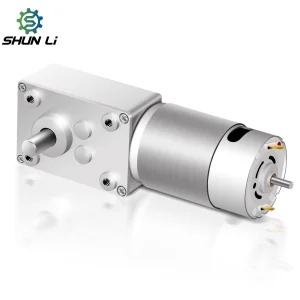
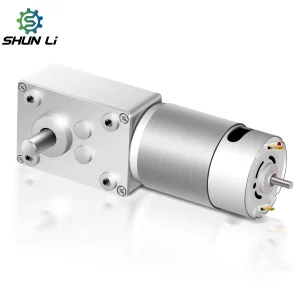
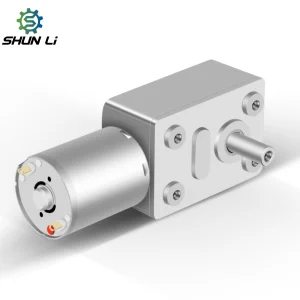
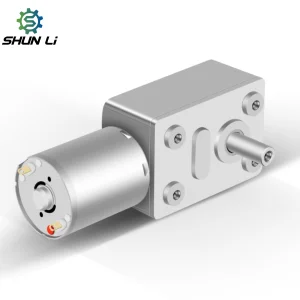
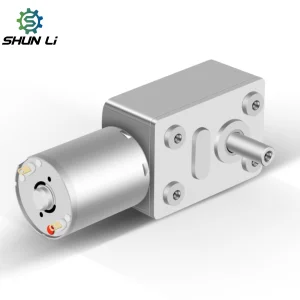
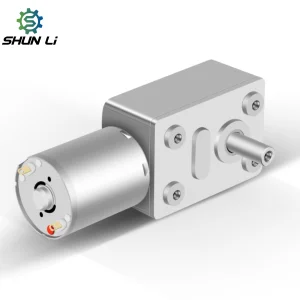
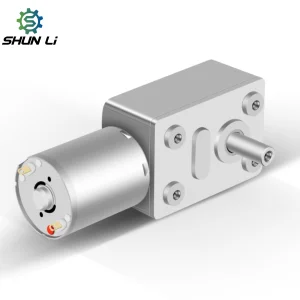
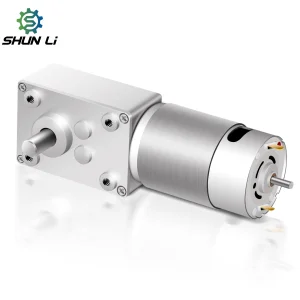
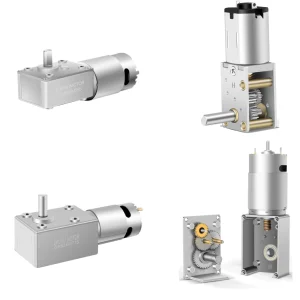
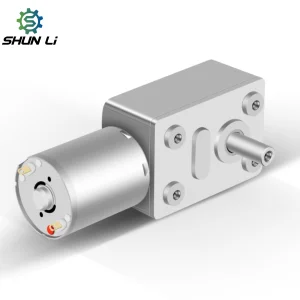
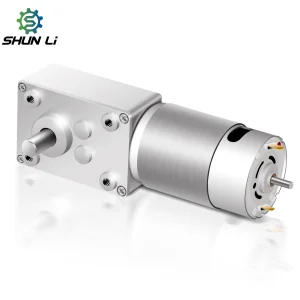
Industrial Grade DC Worm Gear Motors
Explore our range of customizable, high-torque right-angle motors. Available in 12V, 24V, and 36V configurations, these models support optional magnetic encoders, mechanical brakes, and customized shafts.
Complementary Miniature Drive Series
Additional micro-drive models for specialized applications, including 3D printing pens, high-torque sewing machinery, and custom rotary mechanisms.
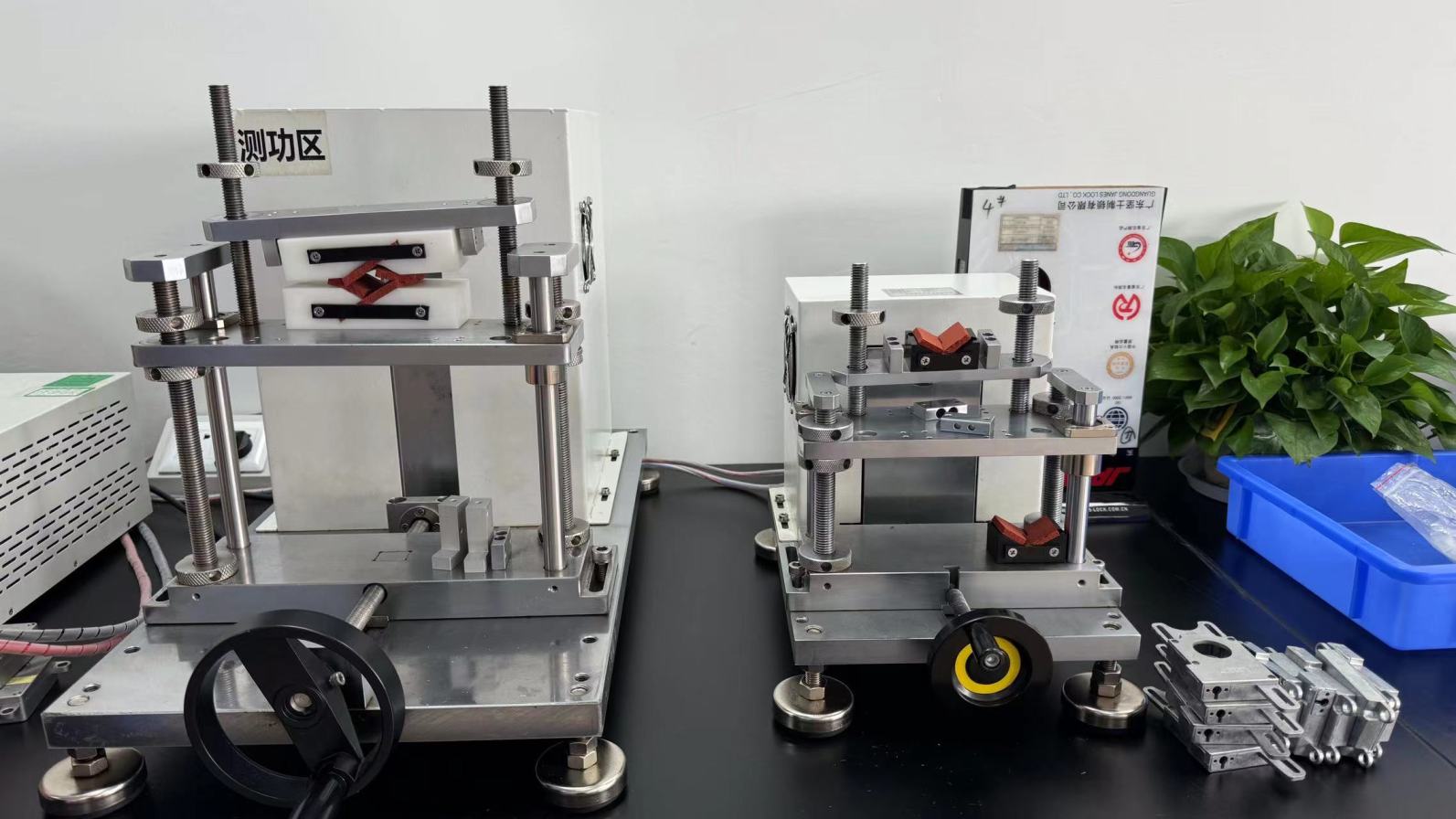
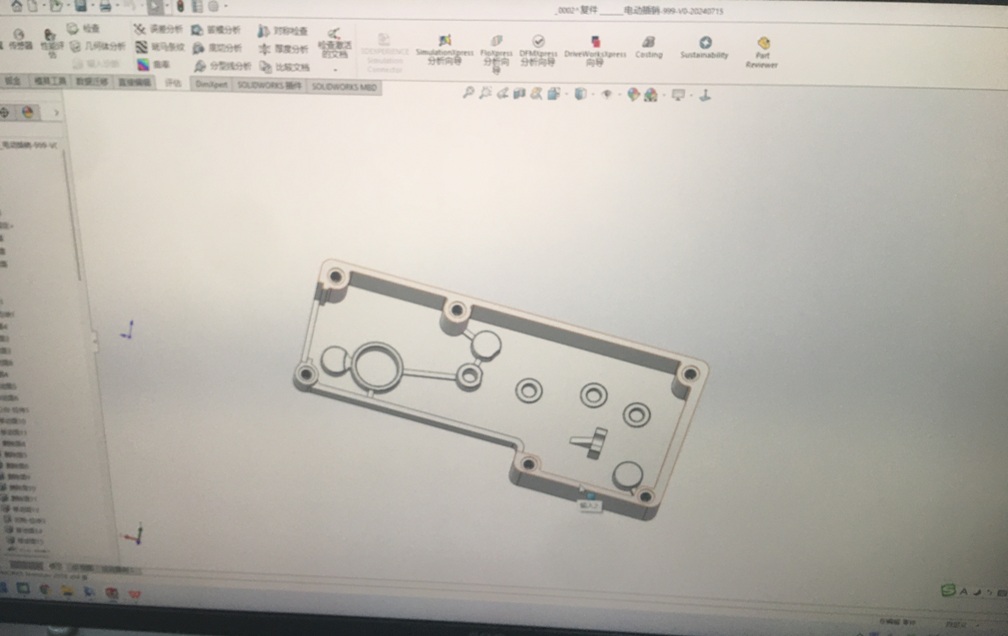
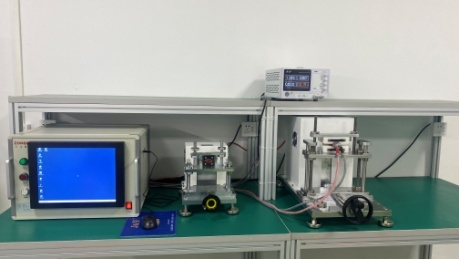
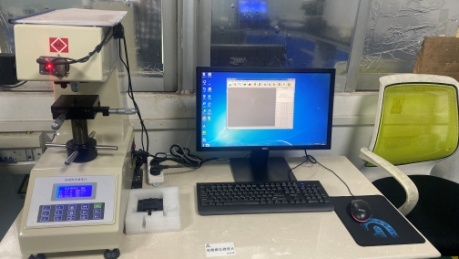
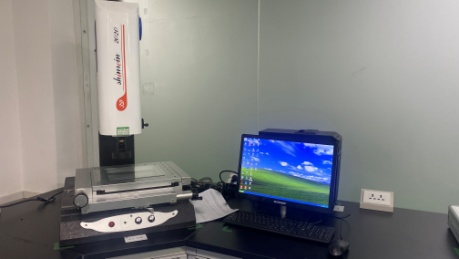
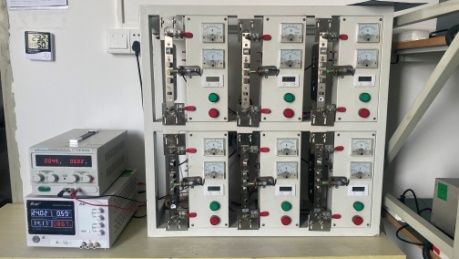
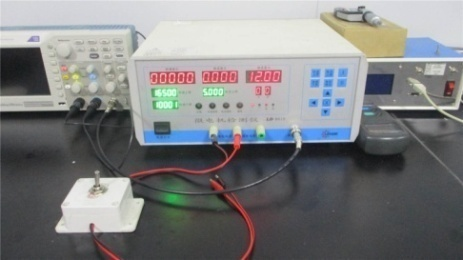
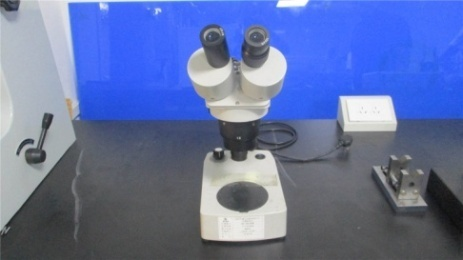
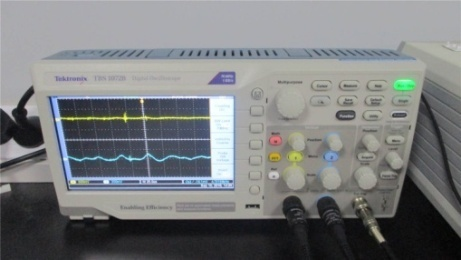
Quality Inspection Equipment & Laboratory Facilities
Our facility operates an in-house QA lab equipped with specialized testing instruments. Every production batch undergoes performance checks before shipment.
NZ Specific Integration & Application Scenarios
Adapting standard motors for local conditions is a key step in regional implementation. For example, in Waikato rotary milking platforms, equipment is exposed to moisture and mild organic acids. Standard carbon steel shafts can corrode under these conditions. Valex Motor addresses this by offering stainless steel shaft modifications (such as SUS304 or SUS316) to ensure durability in wet environments.
In viticulture operations in Marlborough or Central Otago, sorting machines require precise feedback to grade grapes efficiently. Standard brushed motors lack positioning control, but integrating magnetic encoders onto the motor's rear shaft allows local controllers to track positions. This creates a responsive closed-loop system capable of handles rapid start-stop cycles.
Additionally, healthcare equipment in regional hospitals and care facilities—like adjustable beds and hoist units—demands quiet operation. Under quiet night conditions, gear noise can be disruptive. By using helical worm gears and optimizing the gear contact ratios in our acoustic testing rooms, we produce low-noise drives that operate quietly while maintaining high torque capacity.
Frequently Asked Technical Questions (FAQ)
Get professional insights into integration, customization, and delivery of DC worm gear motors to New Zealand.
Can worm gear motors lock position when the power is turned off?
Yes, many worm gear motors are self-locking. This occurs when the lead angle of the worm is smaller than the friction angle of the sliding gears, preventing the worm wheel from driving the worm. This is useful for safety-critical holding tasks, although an additional electromagnetic brake may be recommended for systems subject to high vibration or shock loads.
What ingress protection (IP) rating is recommended for dairy washdowns?
For environments exposed to washdowns, such as dairy sheds, we recommend a minimum rating of IP65, which protects against water jets. For direct exposure to high-pressure washdowns, IP66 or IP67 ratings with double-lipped seals and specialized O-rings are preferred to prevent moisture ingress.
How do you control the speed of a DC worm gear motor?
Speed is typically controlled using Pulse Width Modulation (PWM) speed controllers, which adjust the average voltage delivered to the motor. For applications requiring precise speed regulation under varying loads, integrating a magnetic or optical encoder provides the feedback necessary for closed-loop speed control.
What custom options are available for industrial buyers?
We offer customization for output shaft profiles (such as D-cut, keyed, or threaded), wire harness connectors, gear materials (including bronze, steel, or engineering plastics), and the integration of rear-shaft accessories like electromagnetic brakes or high-resolution encoders.
What are the transit times and shipping options to New Zealand ports?
We ship to major New Zealand ports including Auckland, Tauranga, and Lyttelton (Christchurch). Sea freight transit typically ranges from 18 to 25 days, while air freight or express courier delivery for urgent prototypes can be completed in 5 to 8 business days.