Valex Motor
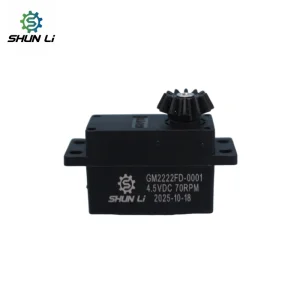
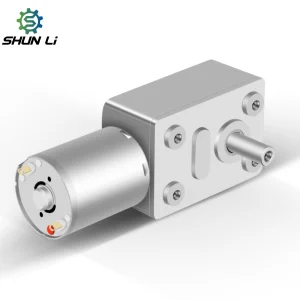
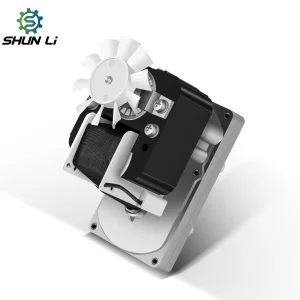
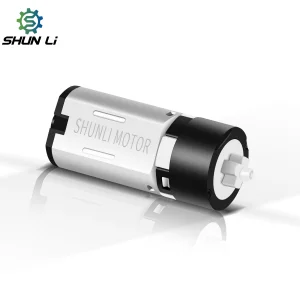
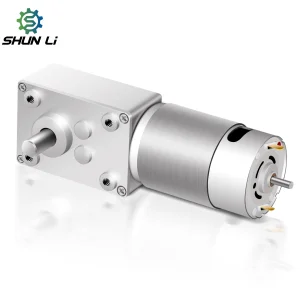
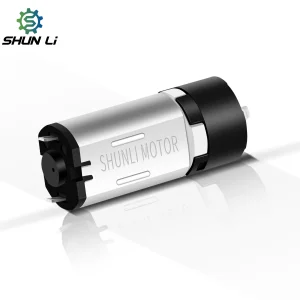
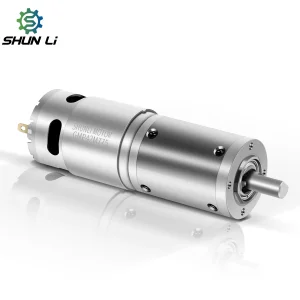
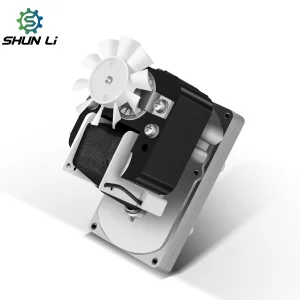
Featured Micro Geared Drives & Actuators
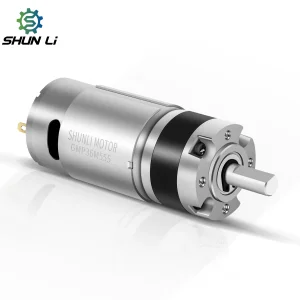
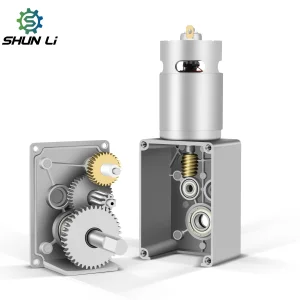
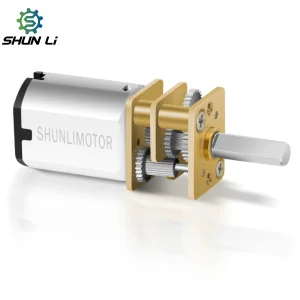
Executive Summary: Engineering Reliable Motion for the Solar Generation
In the rapidly evolving global renewable energy sector, structural endurance and precision movement have emerged as the foundational pillars of high-yield solar arrays. As solar tracker mechanisms shift from rigid, stationary structures to dynamic, dual-axis tracking networks, the demands on miniature drive units have scaled exponentially. Industrial-grade micro motors serve as the electromechanical heart of modern clean tech.
Valex Motor sits at the forefront of this industrial transformation. As a transparent, direct-from-source China manufacturer, Valex eliminates middleman markups while enforcing a rigorous zero-defect quality control framework. By integrating advanced raw materials, precision micro-machining, and extensive multi-stage environmental simulation testing, Valex ensures that developers, original equipment manufacturers (OEMs), and EPC (Engineering, Procurement, and Construction) companies secure an uncompromised supply chain.
- 20+ Years of Manufacturing Integrity: An established heritage leveraging automated production lines to deliver micro drives with high batch-to-batch repeatability.
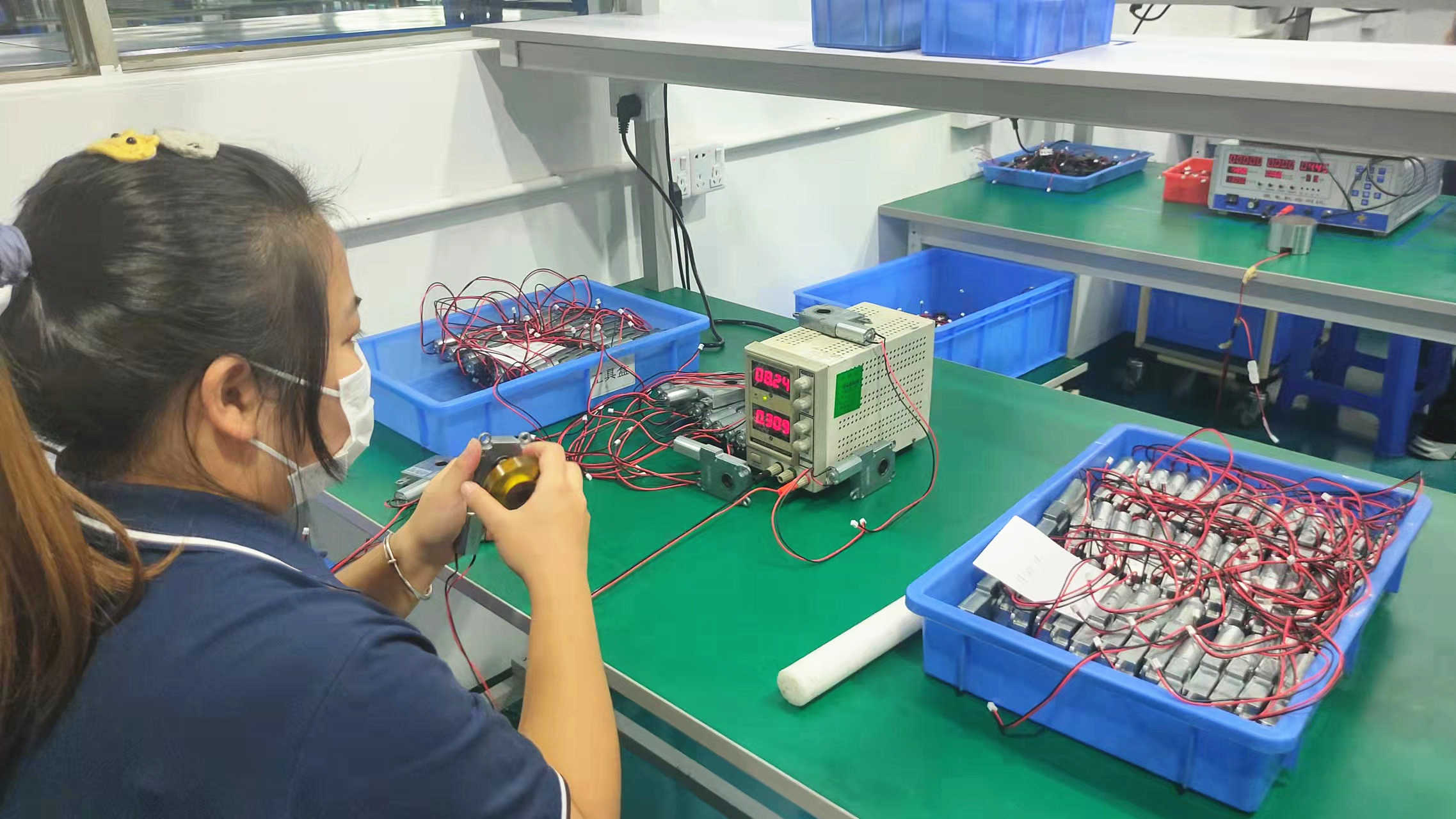
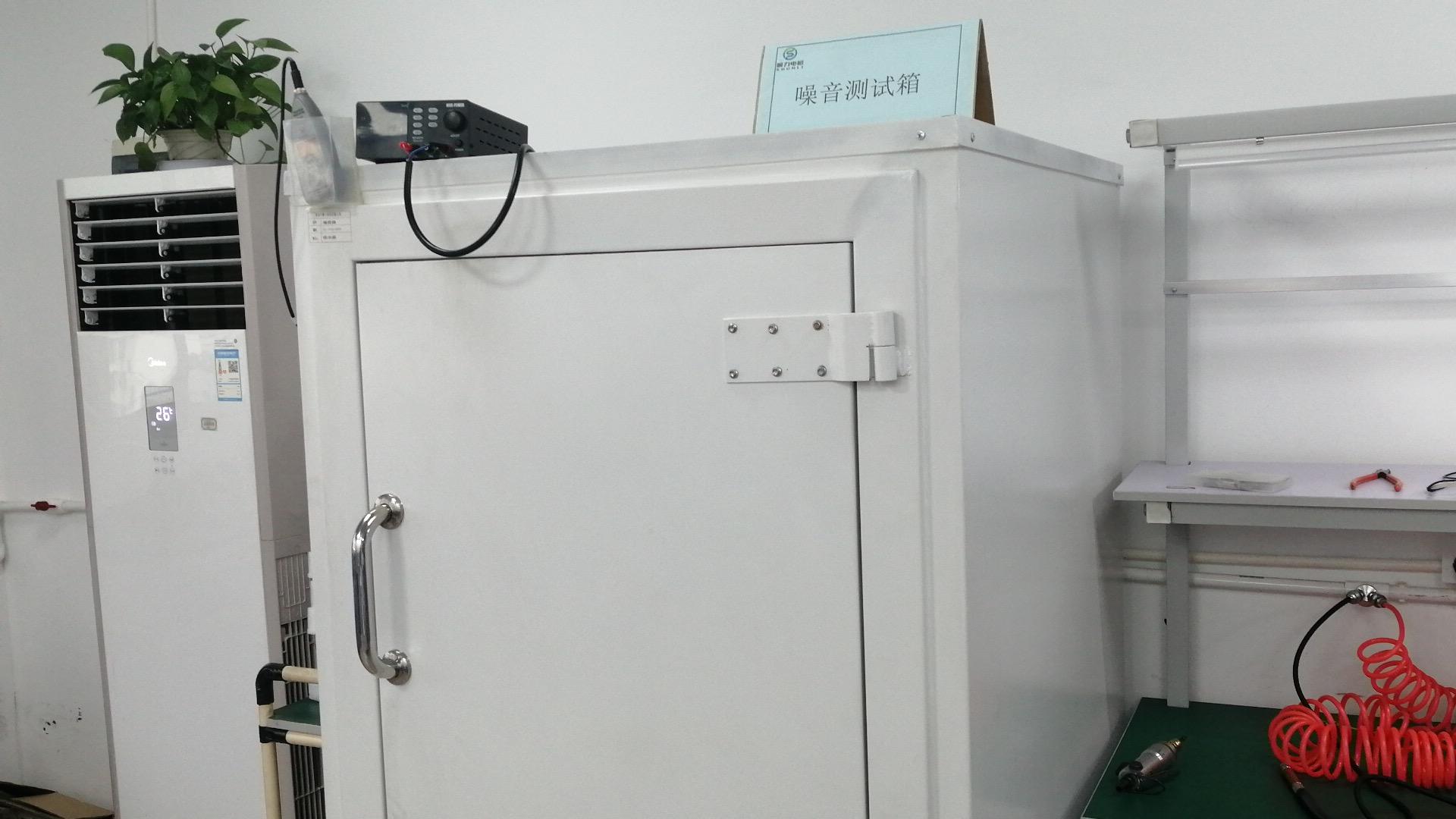
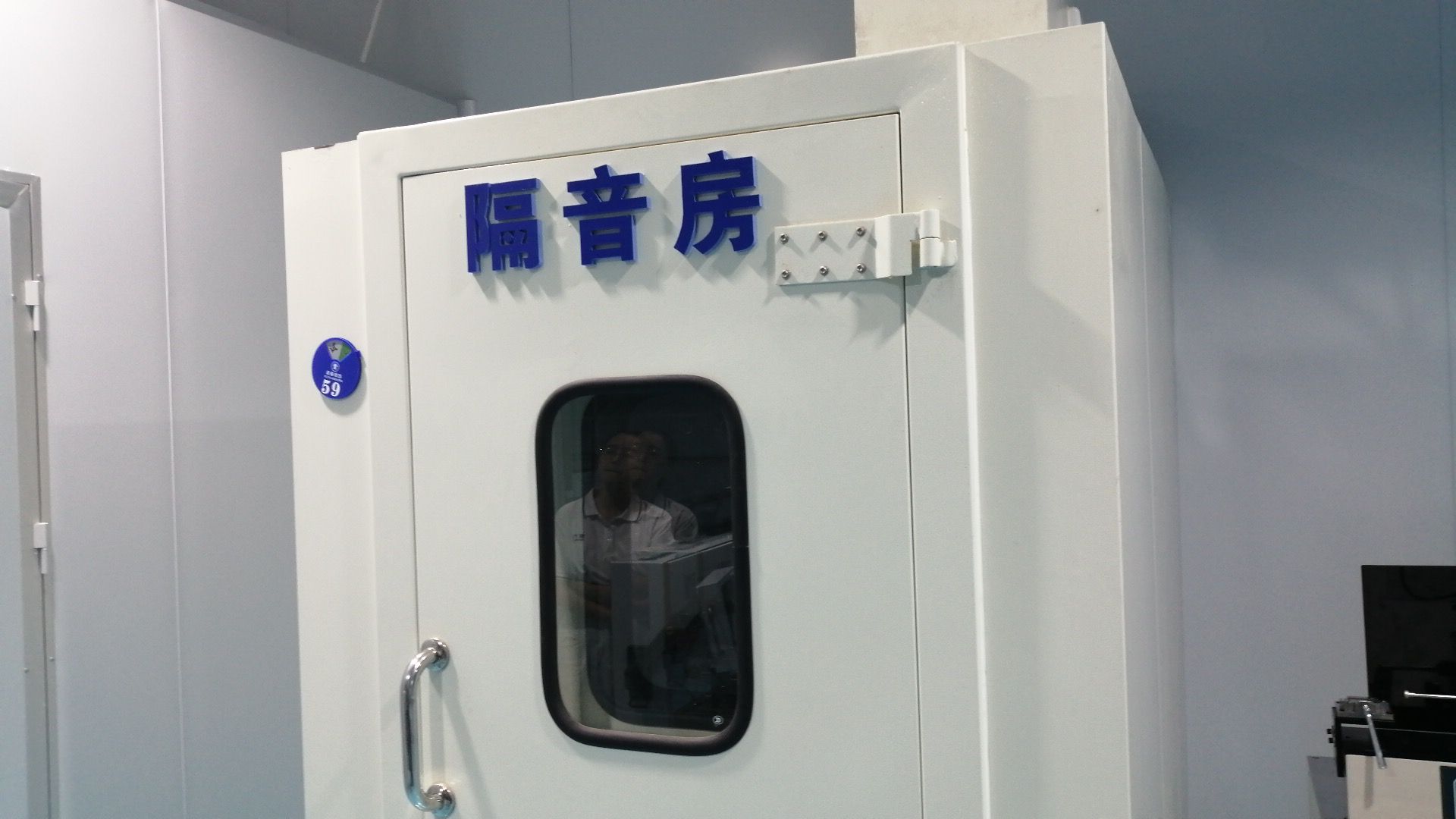
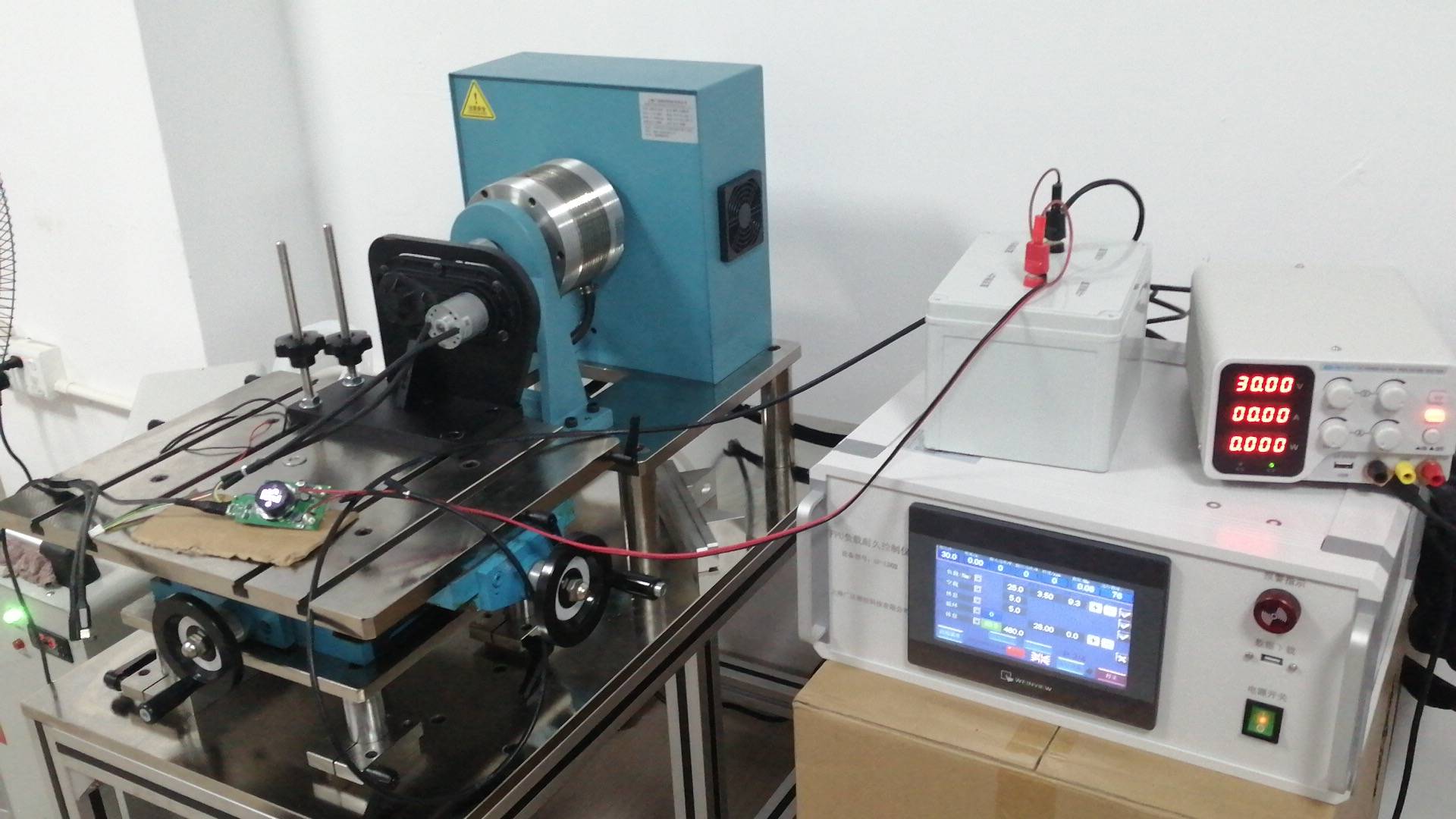
- 100% In-House Performance Testing: Every single gear motor undergoes continuous quality evaluation, including dynamic torque profiling, noise room verification, and electrical load checks.
- Rapid Custom Prototyping: We develop customizable gearheads, customized shafts, tailored wiring harnesses, and high-resolution encoder interfaces to fit specific customer footprints.
- Global Compliance Ready: Manufactured in compliance with international CE, RoHS, and REACH safety and environmental standards.
Industry Trends: The Evolution of Solar Tracker & Precision Micro Actuators
Modern photovoltaic (PV) utility scale installations no longer rely on simple structural layouts. The adoption of single-axis and dual-axis solar trackers has become the industry standard for commercial installations, yielding up to 25% to 45% more energy output compared to fixed tilt systems. However, tracking systems require small, robust gear motors capable of continuous, incremental adjustments throughout the day.
1. The Transition from AC to Smart DC Brushless / Brushed Micro Drives
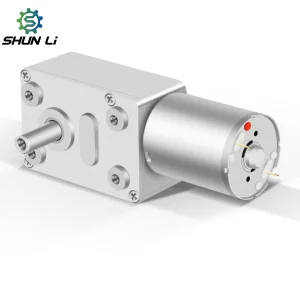
Historically, heavy AC-powered motors drove centralized tracker rows. The modern industry trend favors decentralized layouts, employing low-voltage DC planetary gear motors or DC worm gear motors on individual solar tracking piles. This shift provides greater structural flexibility, reduces single-point-of-failure risks, and allows tracking algorithms to optimize each row based on micro-climatic cloud cover.
2. Extreme Environmental Durability and Tribology
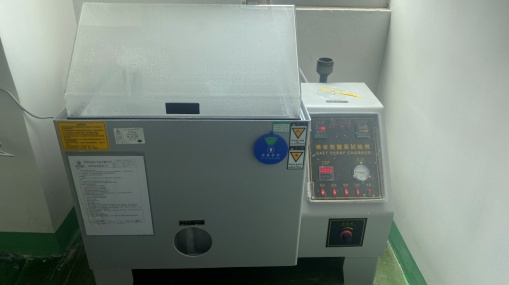
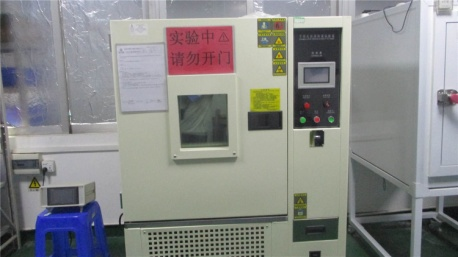
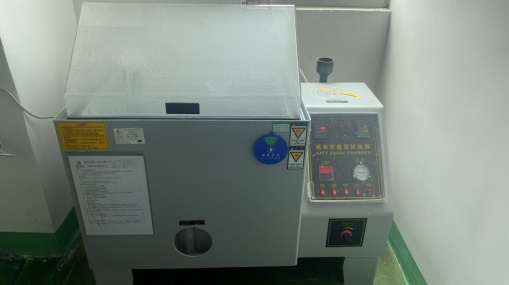
Solar installations are deployed in harsh environments—from the scorching arid sands of desert arrays to the sub-zero, highly humid environments of high-latitude regions. Geared motors must withstand wide temperature swings (-40°C to +85°C) and resist wind load deformations. The integration of high-grade synthetic grease, specialized lip seals, and corrosion-resistant surface coatings (like salt spray-certified plating) prevents lubricant migration and ingress failures.
Global Sourcing Demands & Strategic Solutions
Global procurement directors face multiple challenges: rising raw material costs, inconsistent gear box tolerances from low-tier suppliers, and lack of design-level communication. When a solar tracker drive fails in the field, the cost of labor, crane rental, and lost energy generation far outweighs the initial price of the motor. Sourcing from a verified manufacturer like Valex Motor mitigates these downstream risks.
Empirical Customization for Specific PV Tracking Geometry
No two tracking systems share the exact same structural wind-shedding characteristics. Valex Motor's rapid custom prototyping allows developers to request custom gear ratios, high backdrive resistance (such as self-locking worm gears with high static holding torque), and integrated encoders. These components feed real-time positional data back to the central tracking controller, maintaining high alignment accuracy.
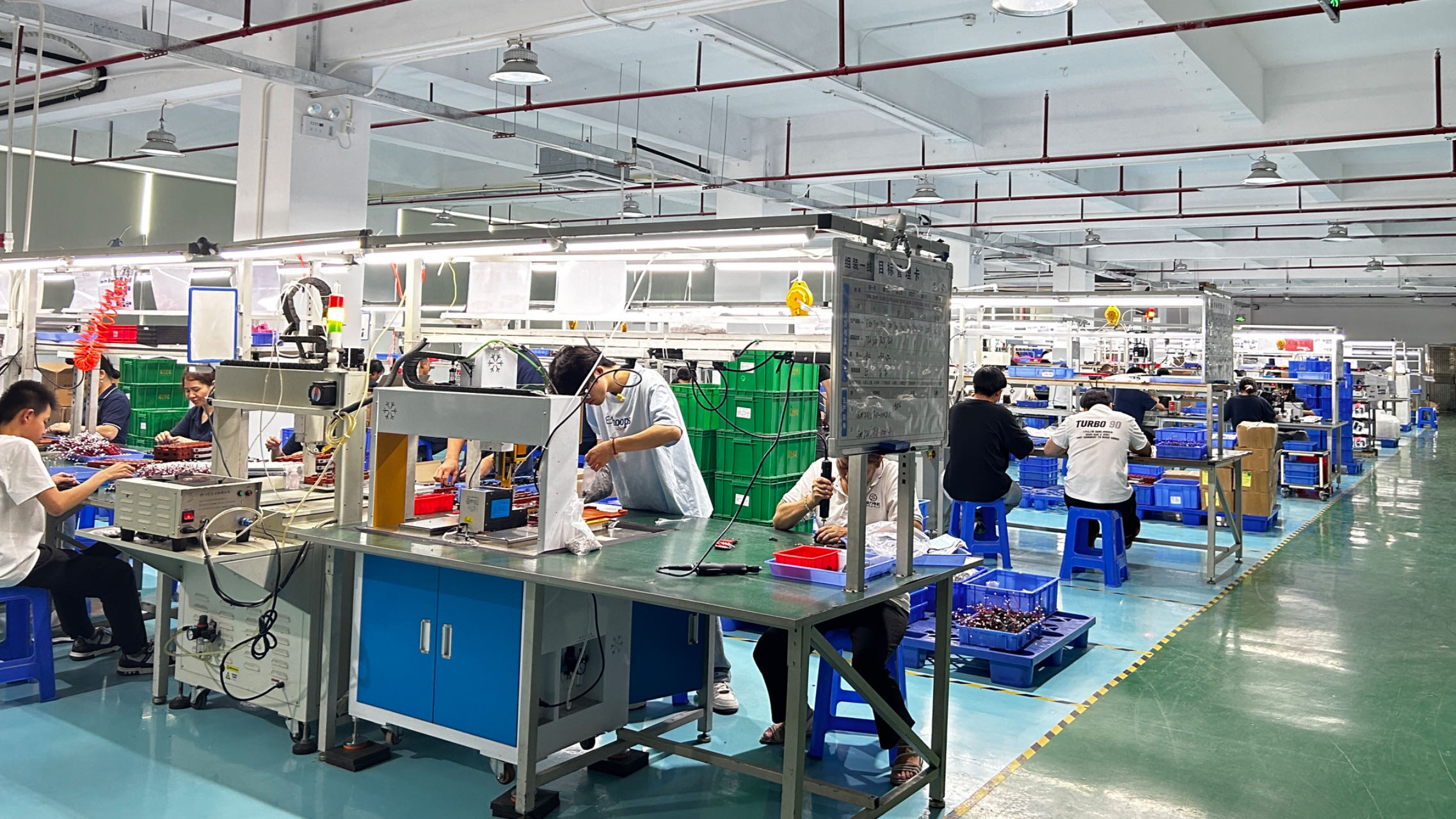
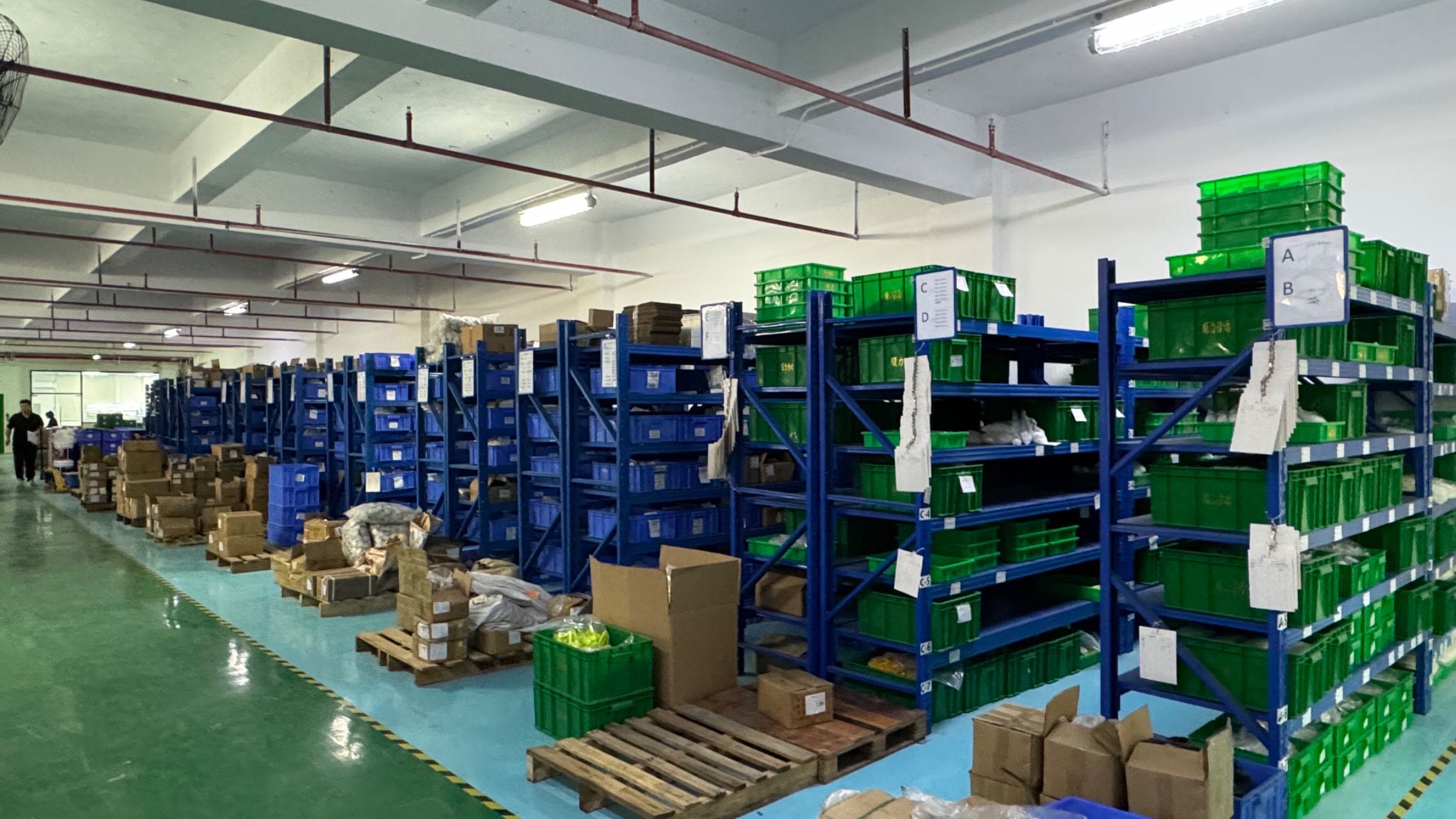
Traceable Manufacturing: From Raw Materials to Completed Assembly
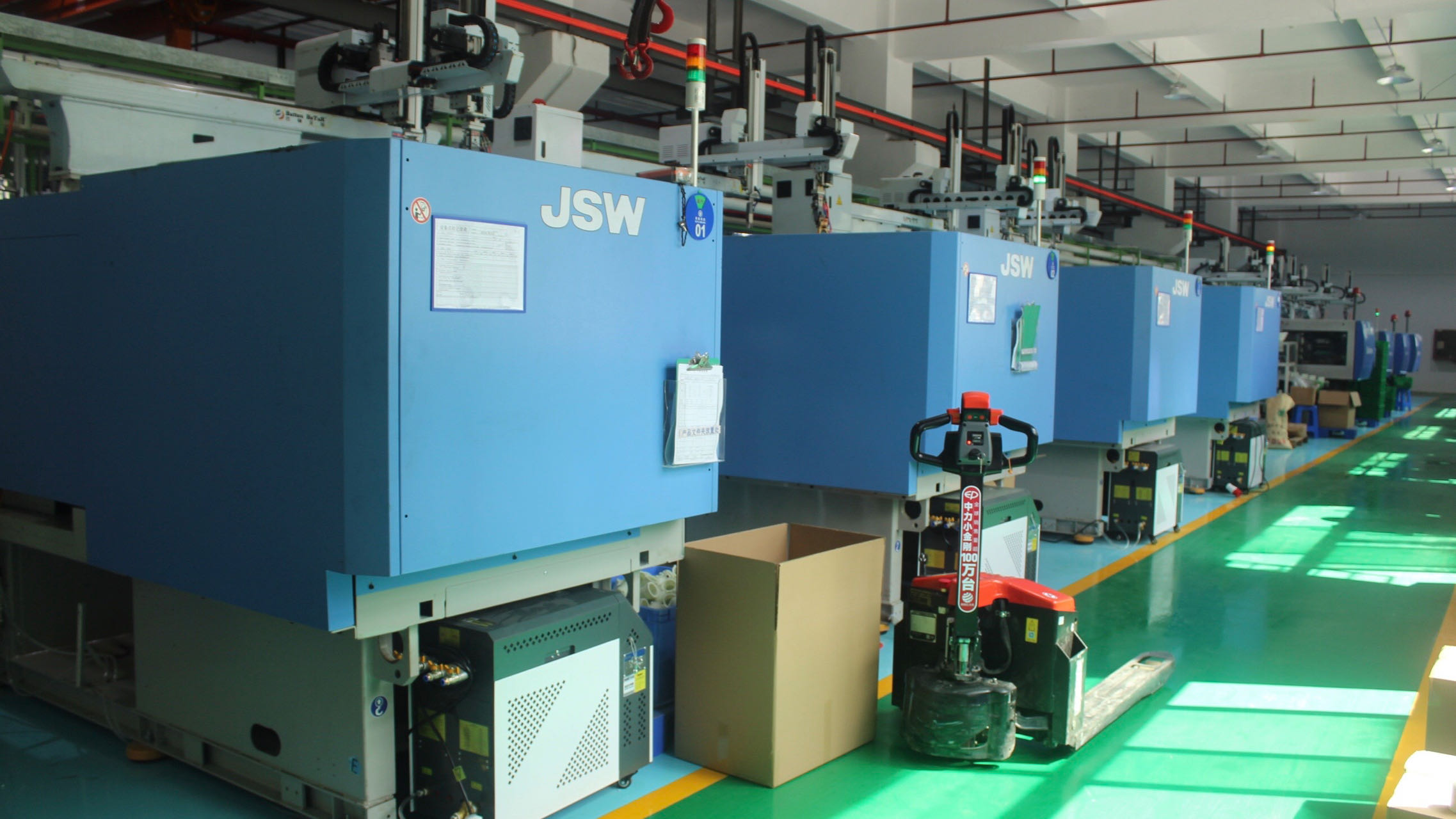
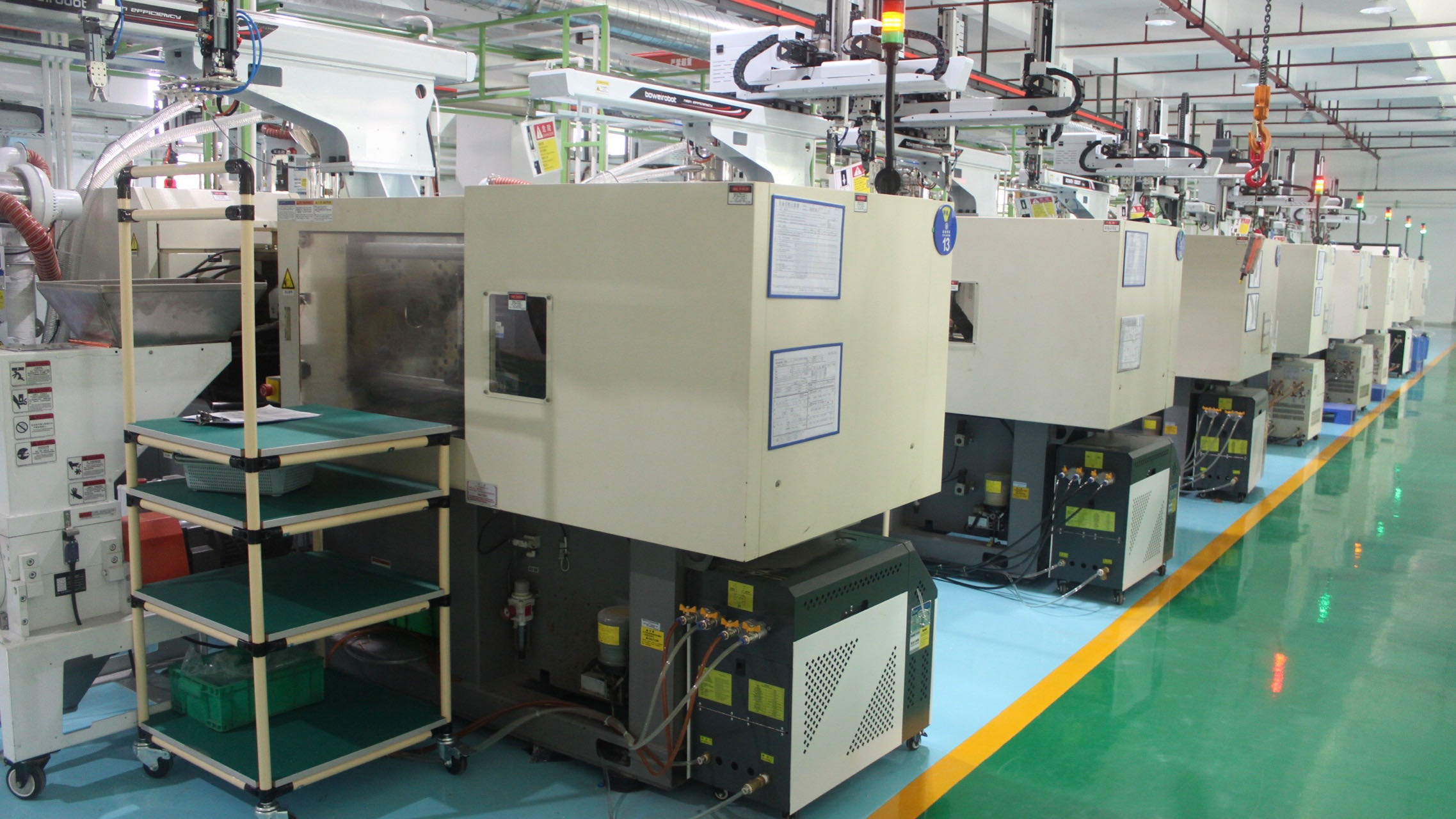
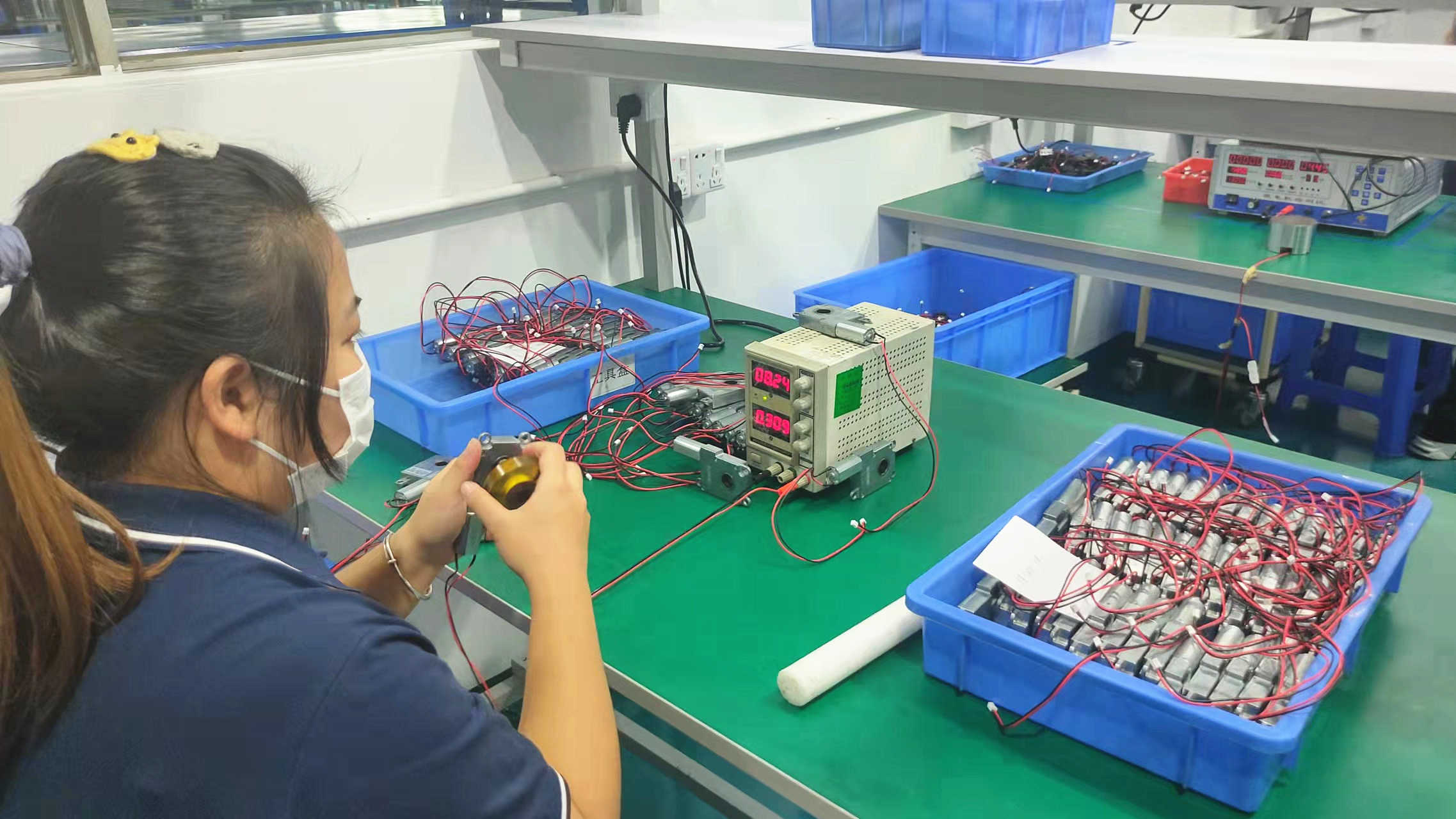
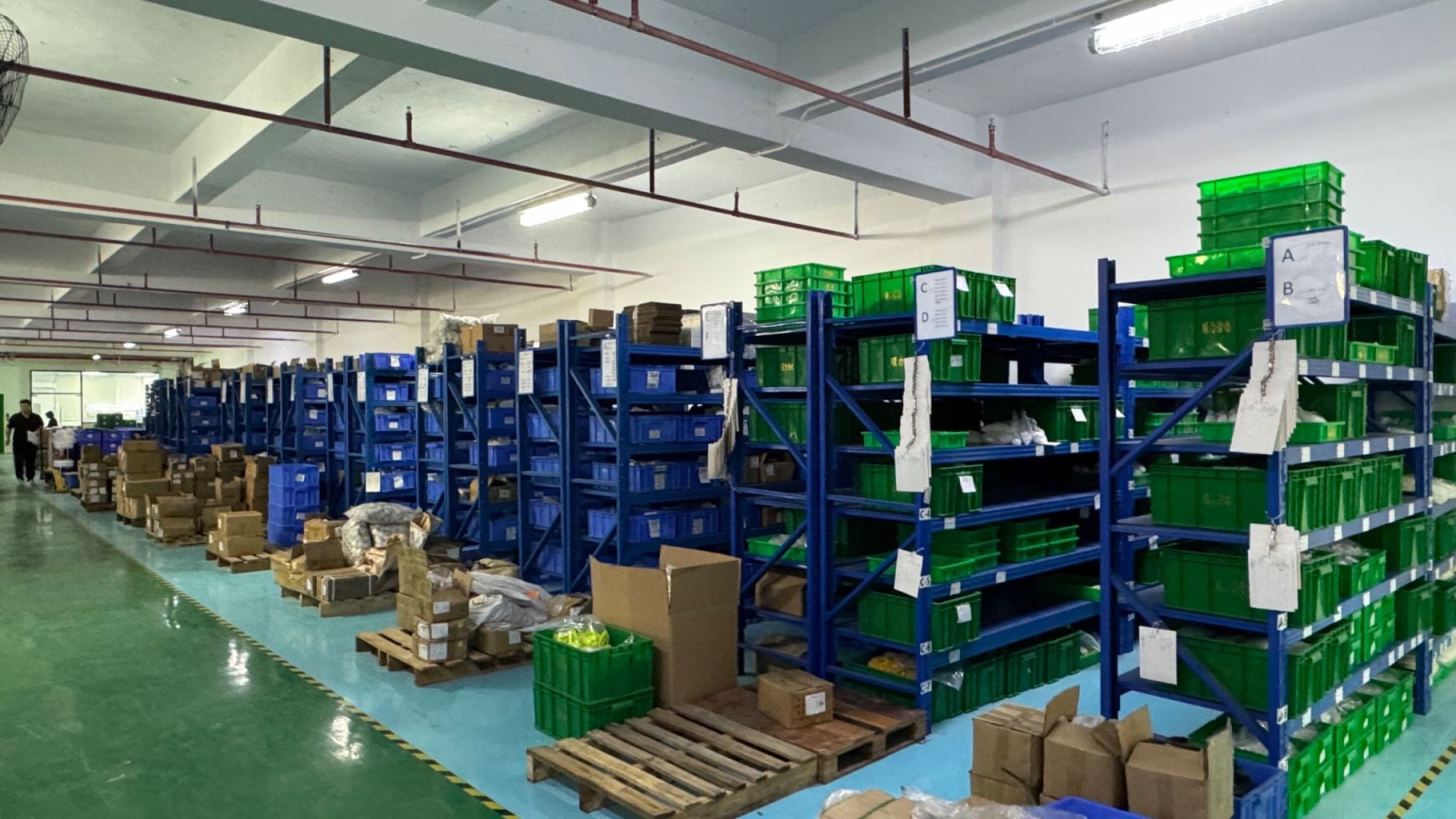
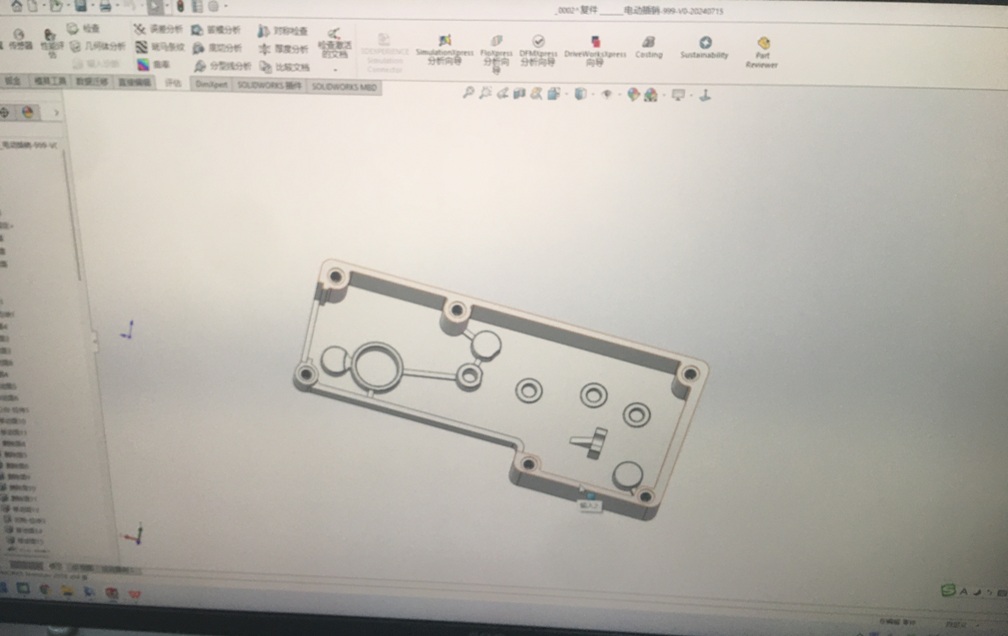
Delivering consistently reliable gearboxes requires close control over every stage of the manufacturing process. By keeping fabrication, heat treatment, winding, and quality control under one roof, Valex guarantees material traceability. Each step in our process is optimized for component longevity.
Standardized Manufacturing Sequence

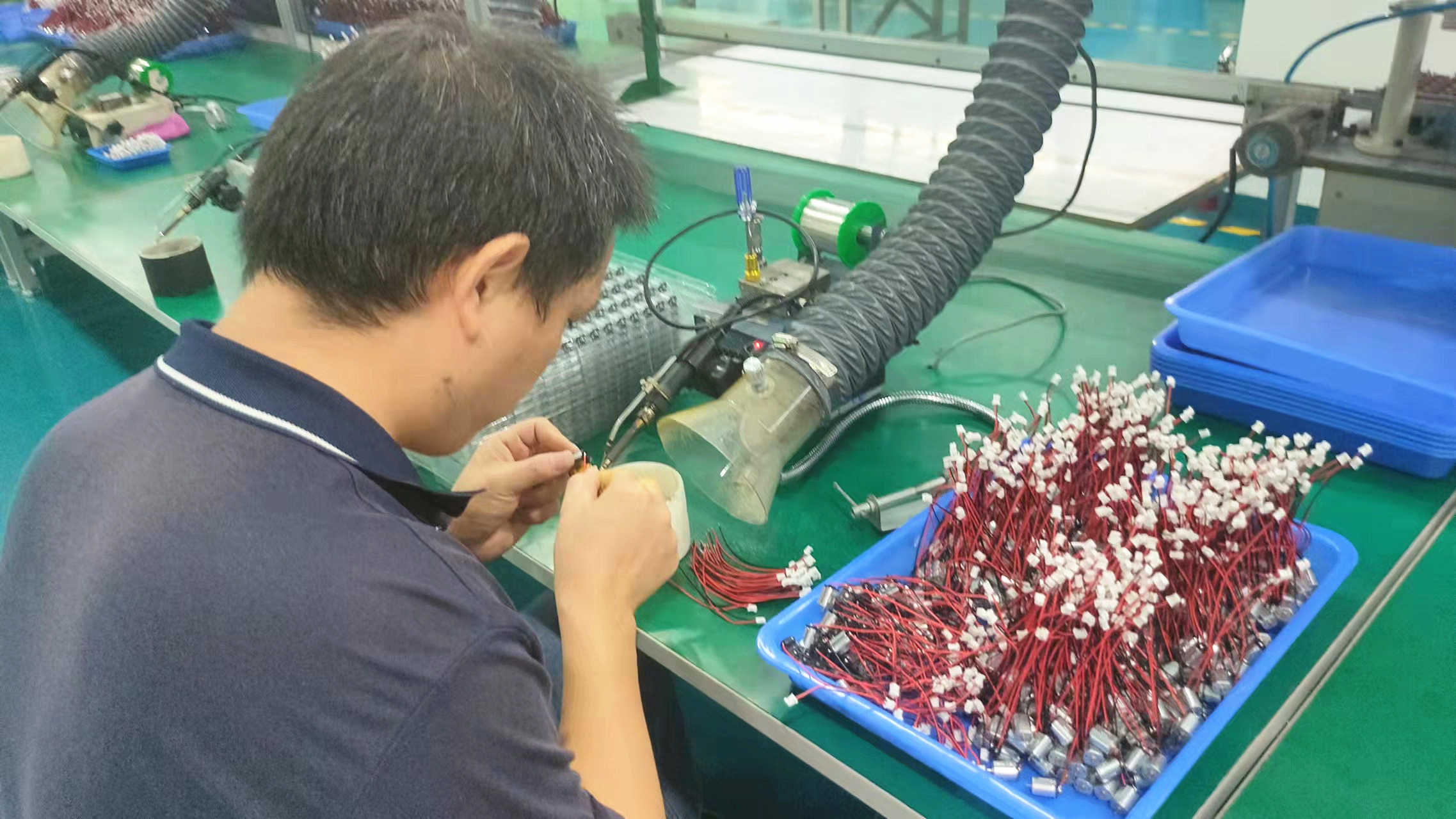
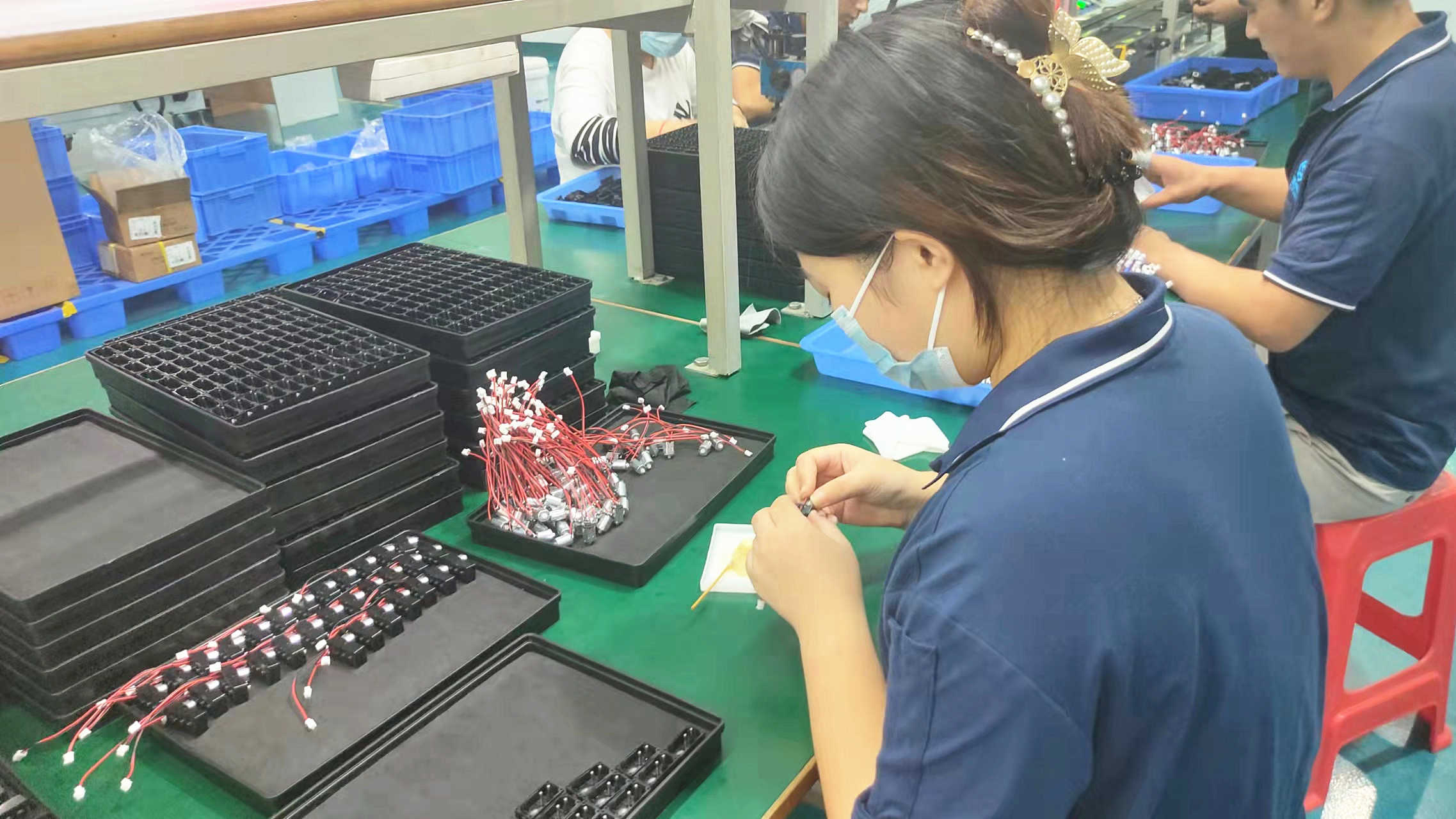
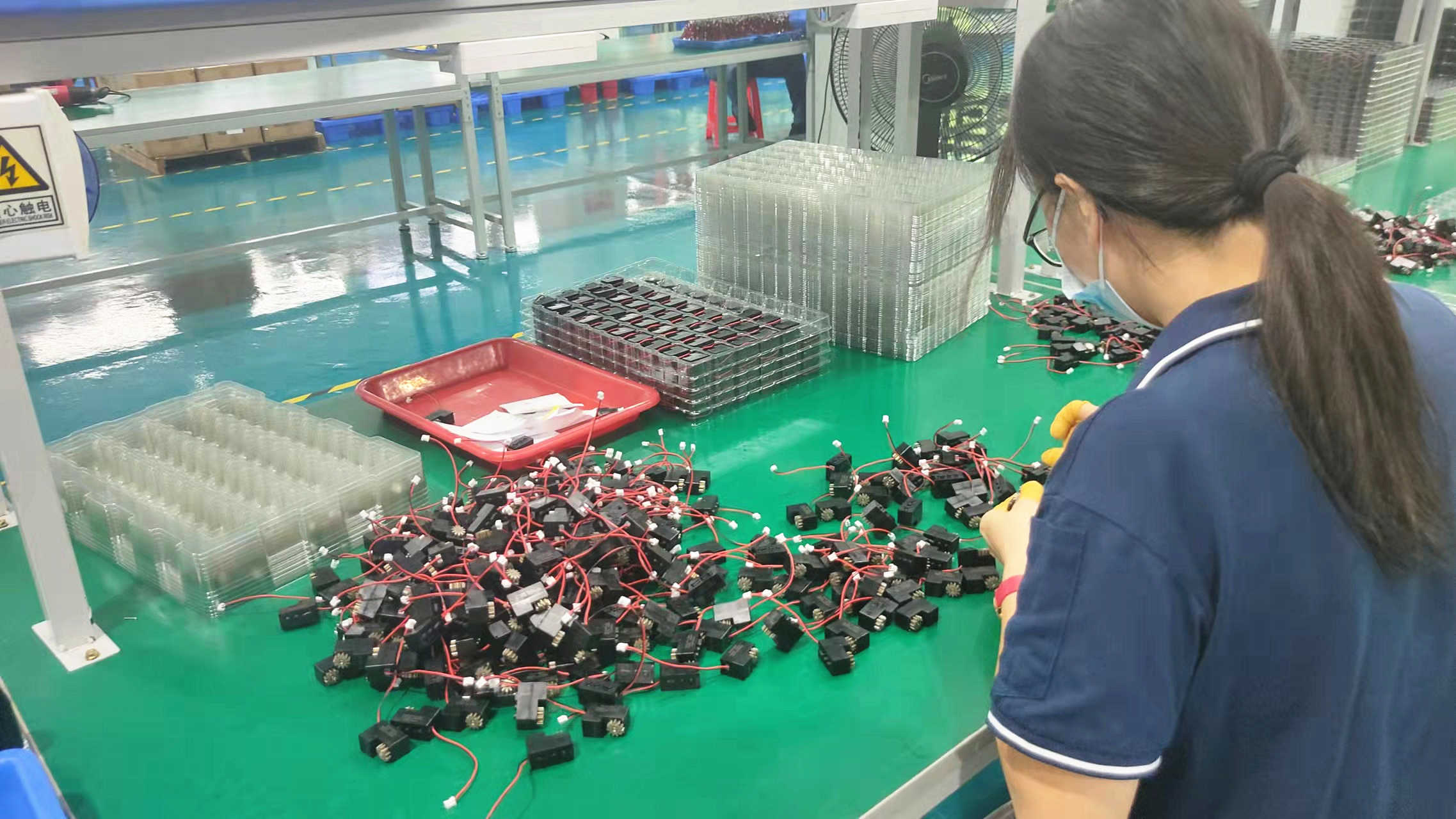
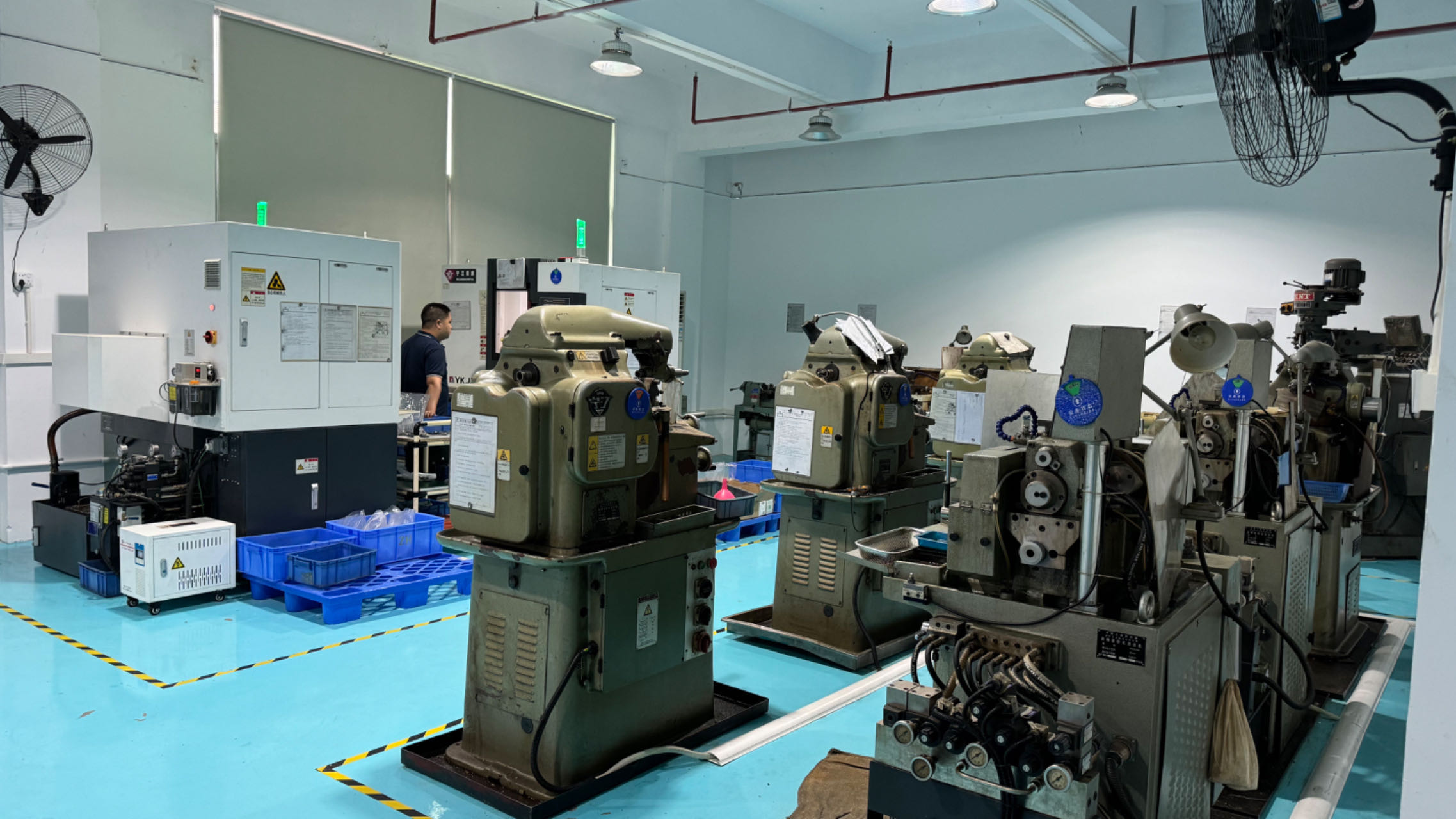
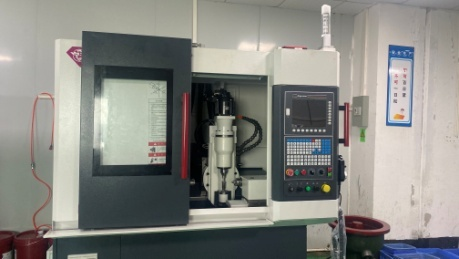
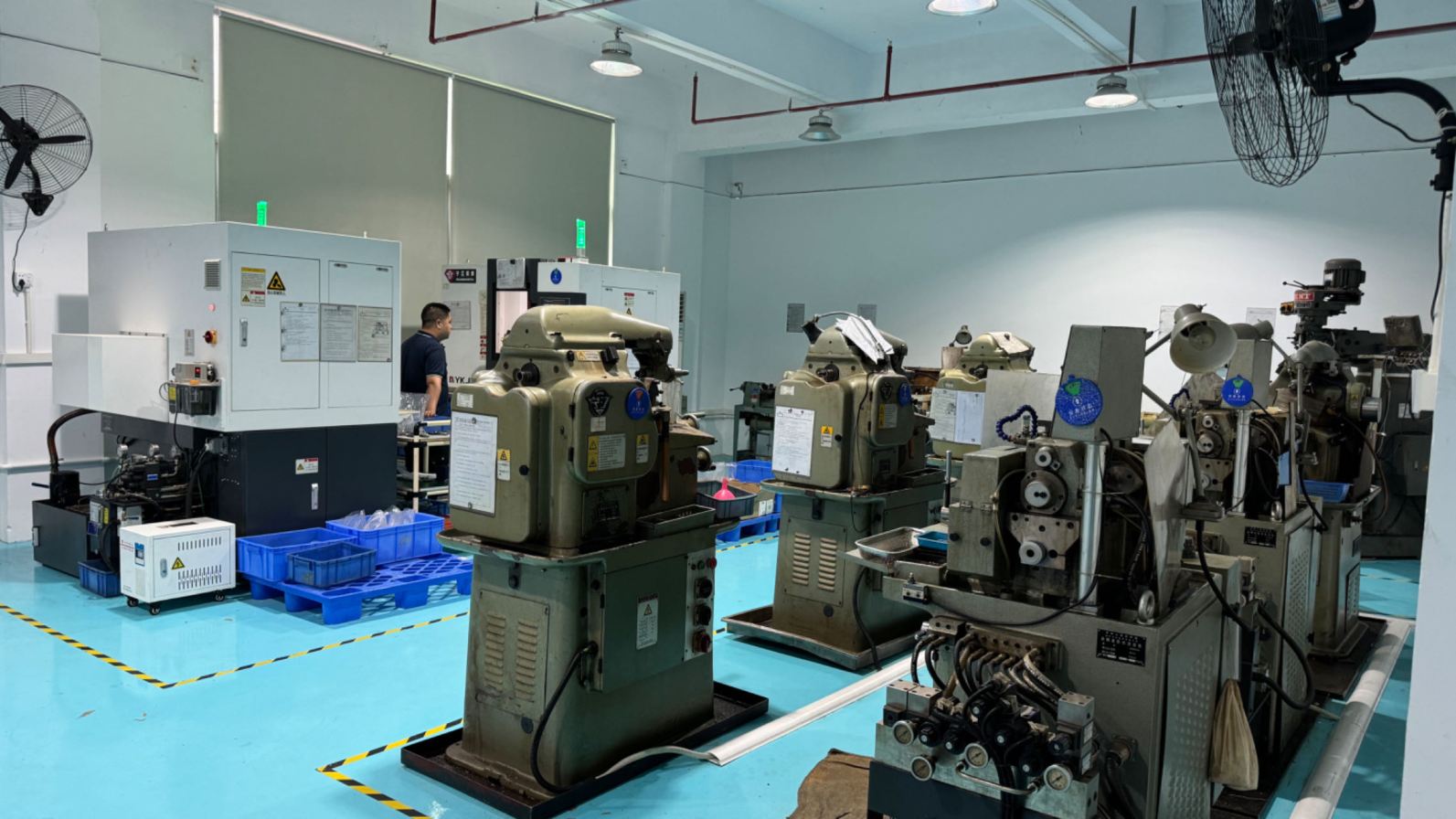
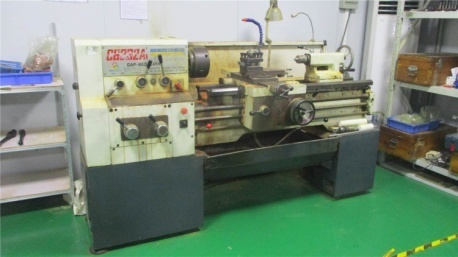
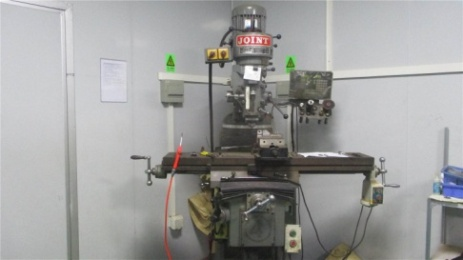
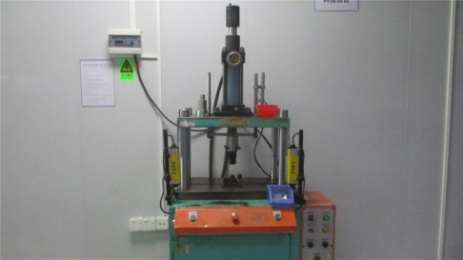
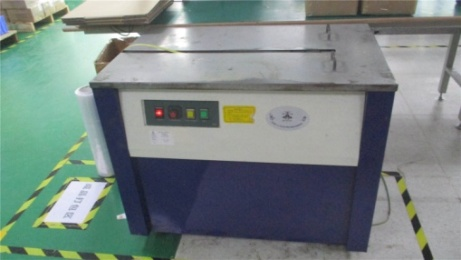
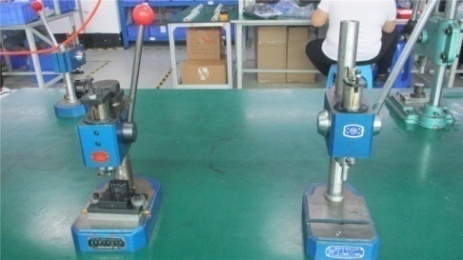
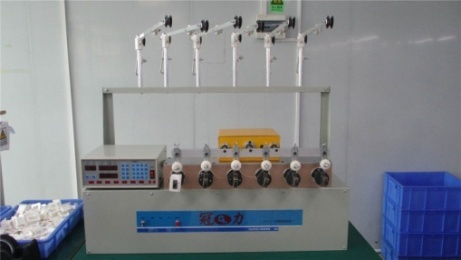
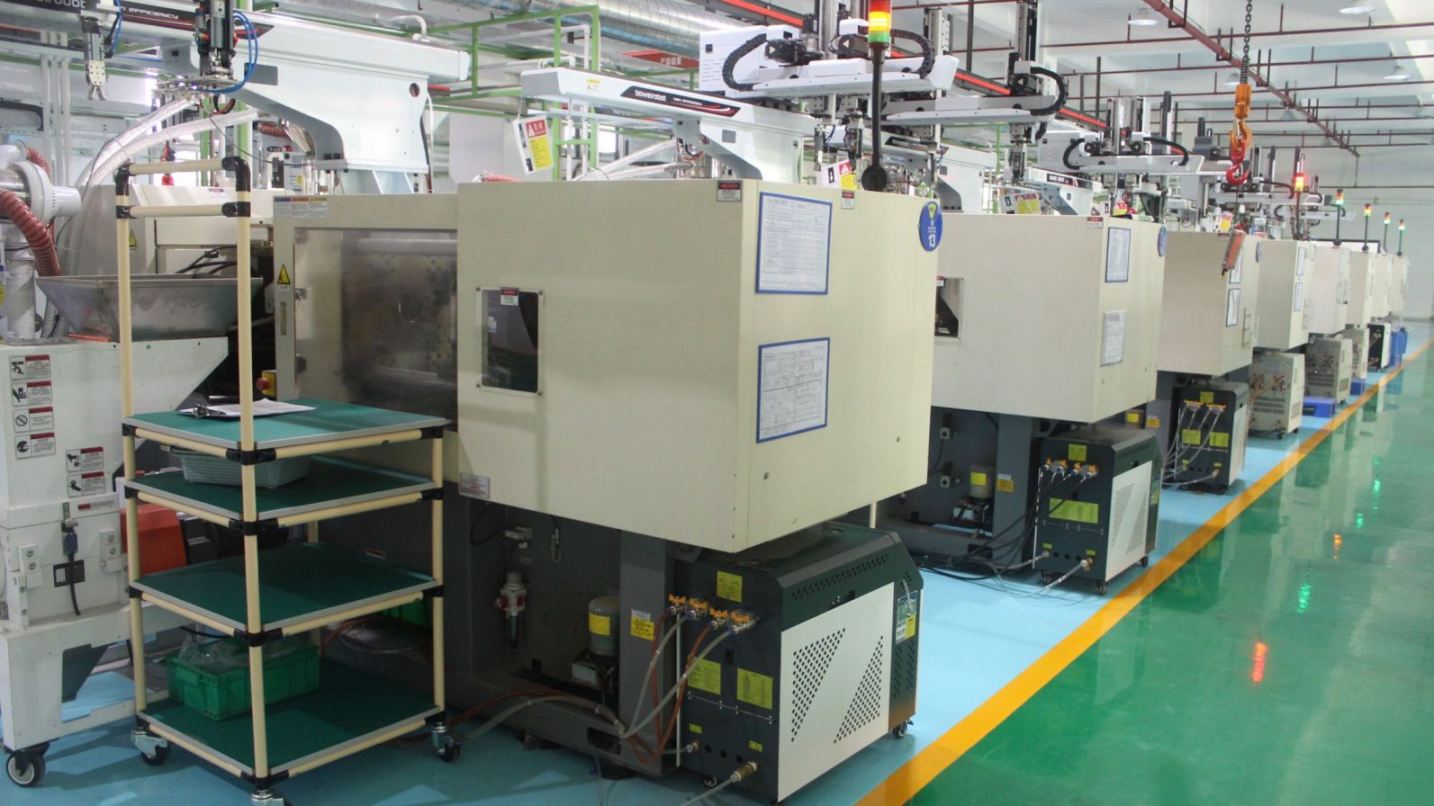
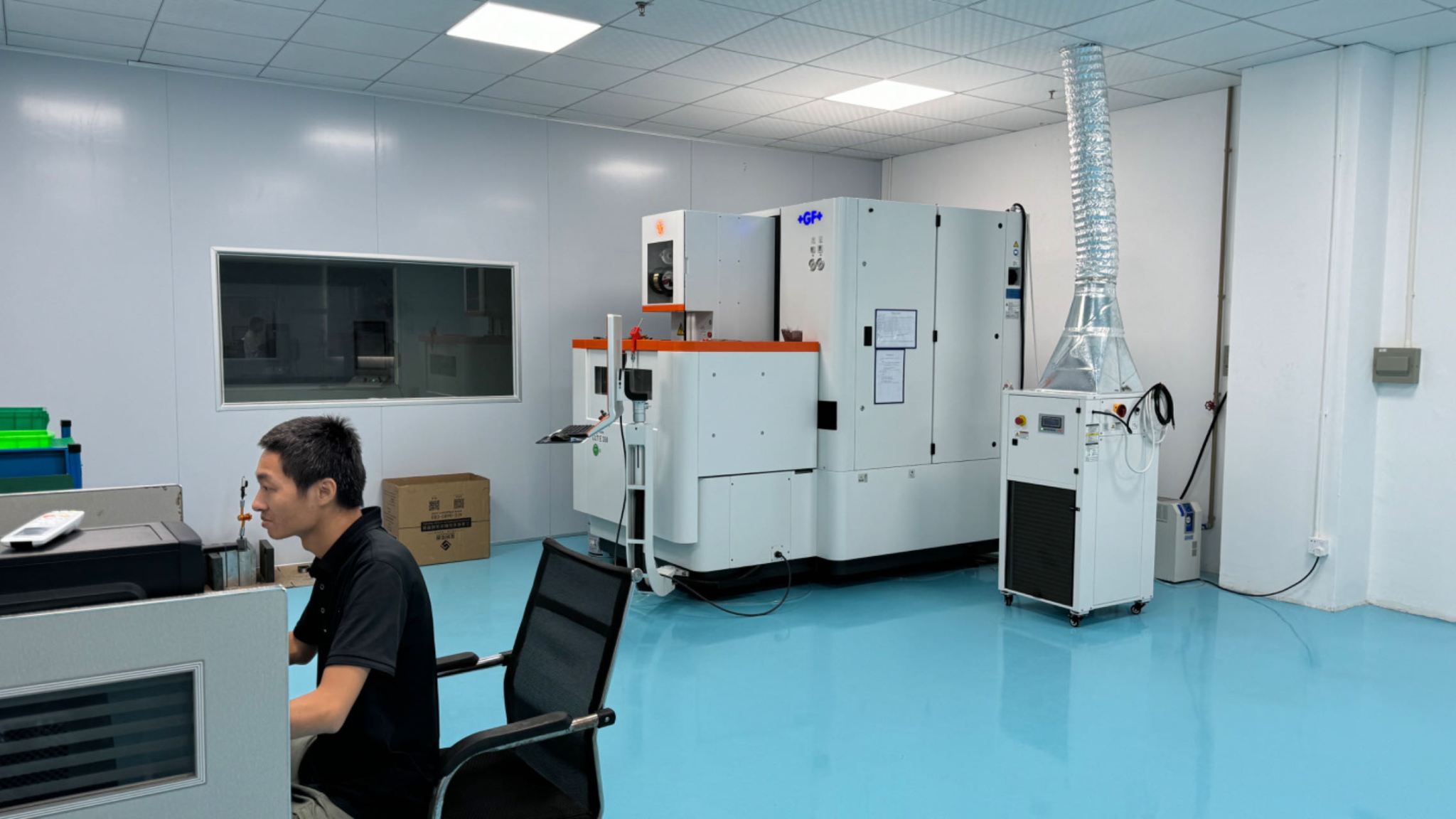
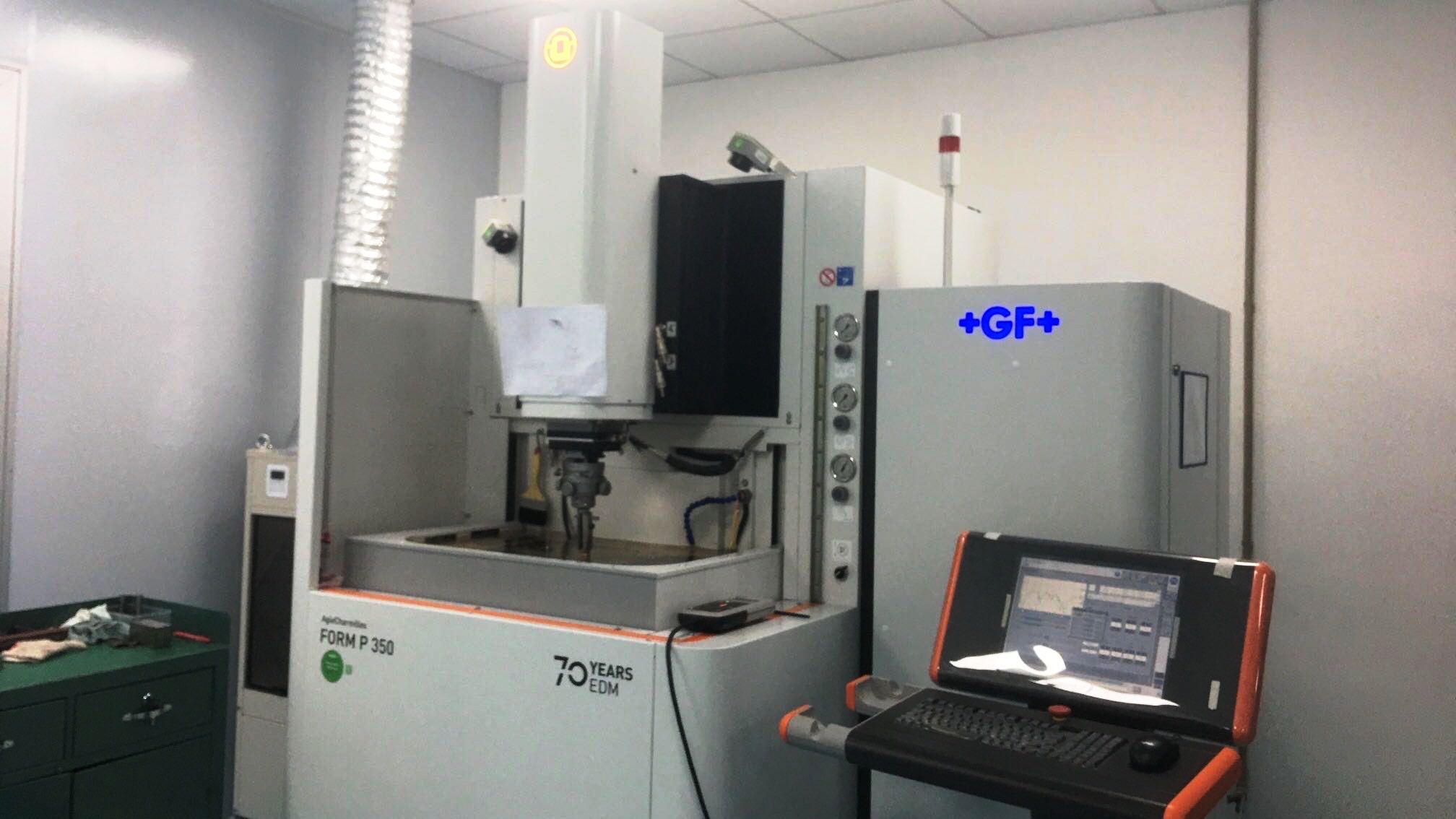
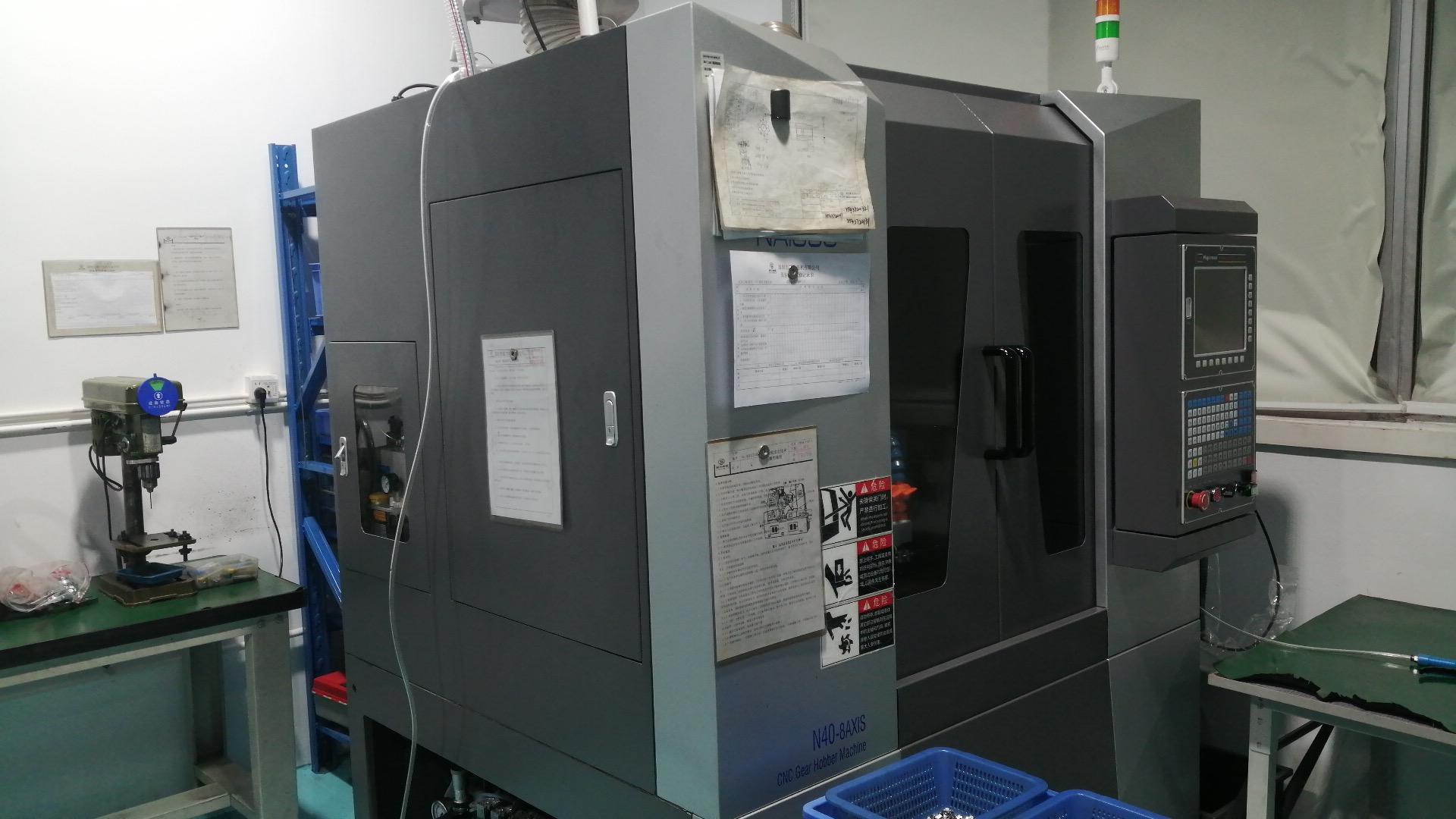
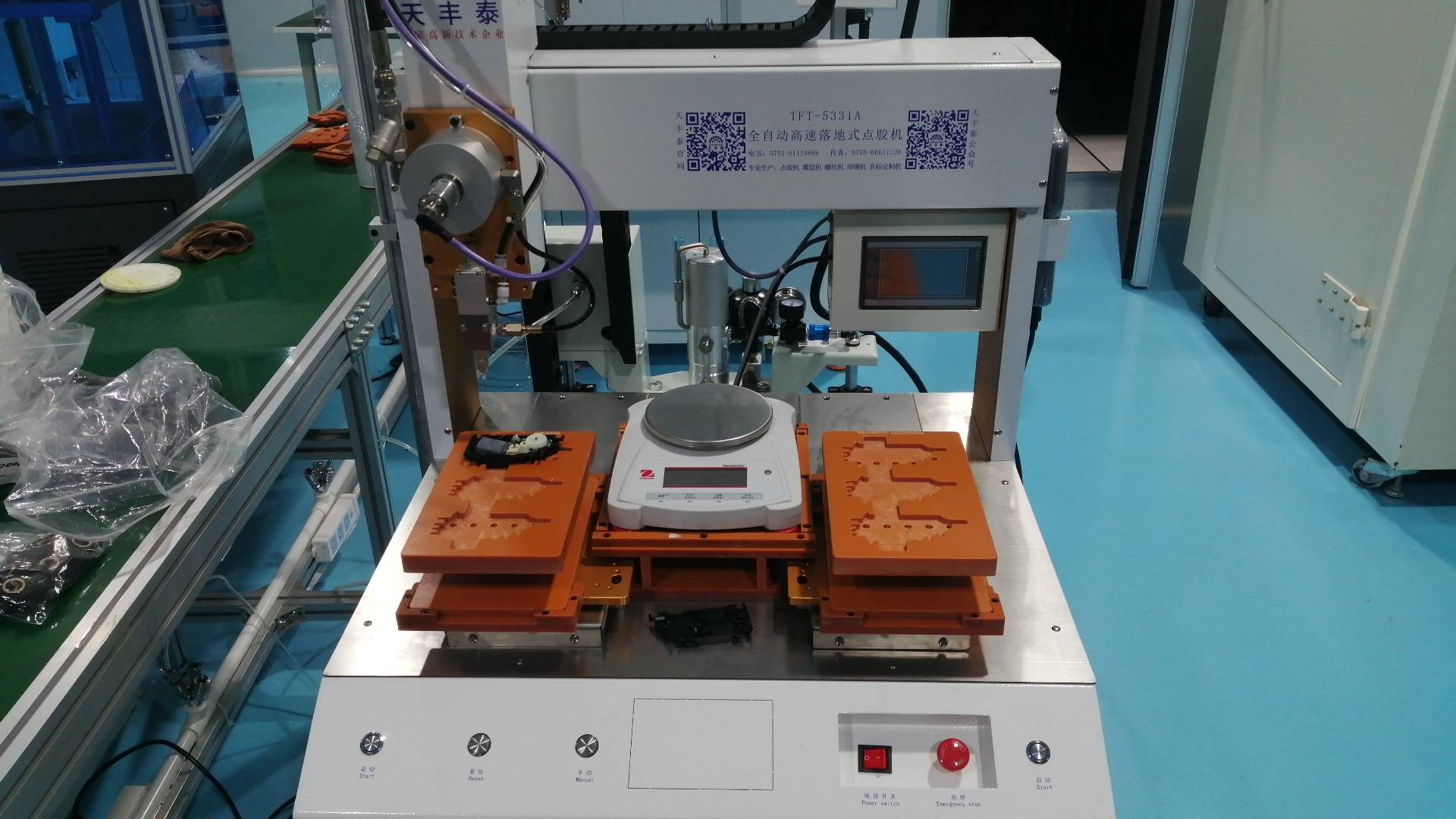
High-Precision Tooling & Machinery Fleet
Our manufacturing floor is equipped with precision machinery to ensure tight dimensional tolerances on every output shaft, armature, and gear tooth profile.
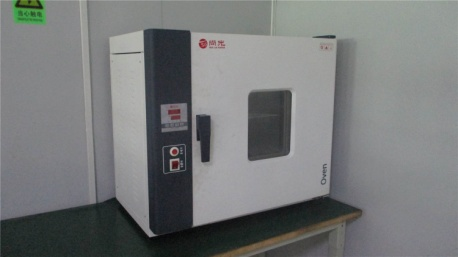
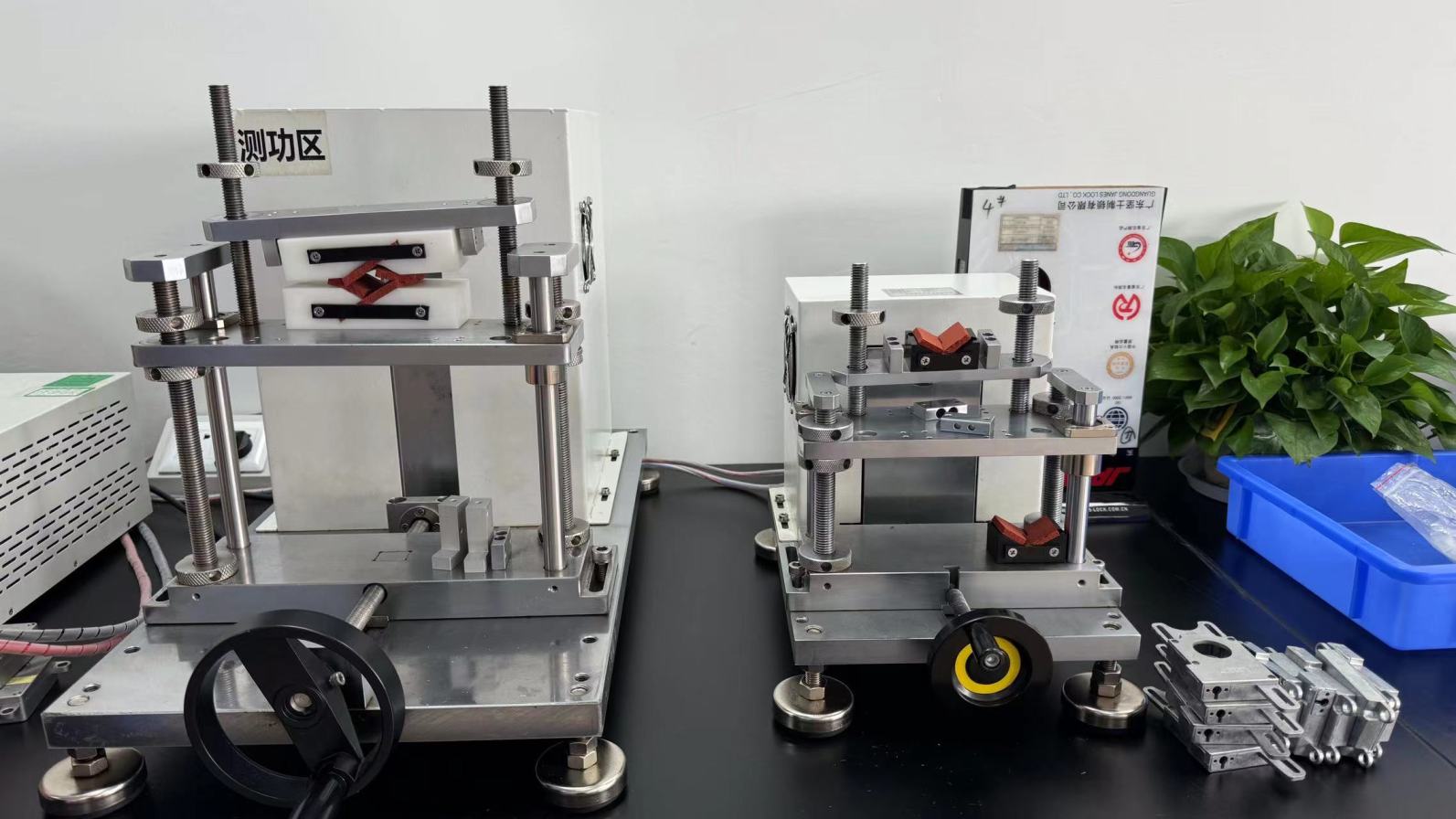
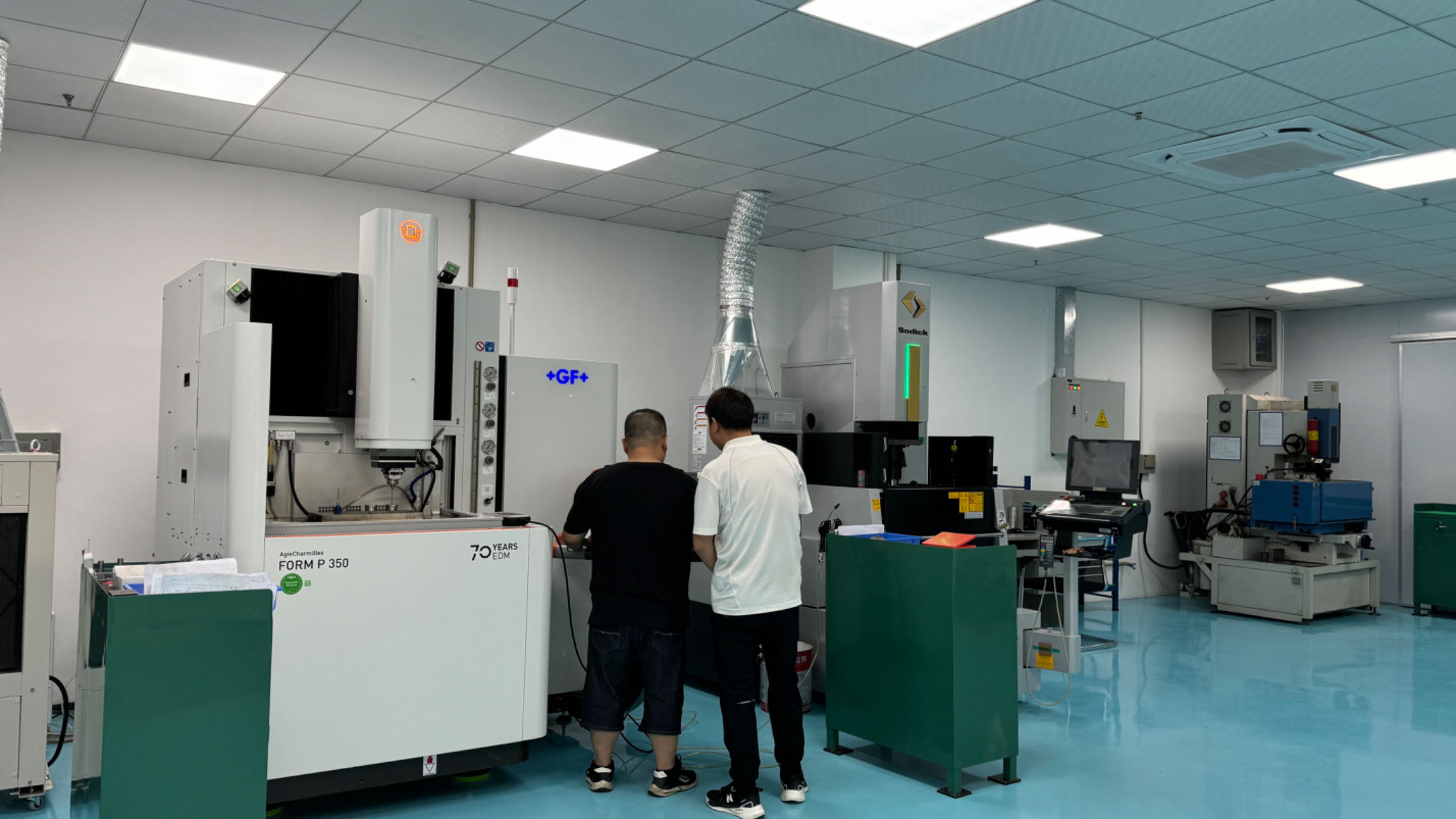
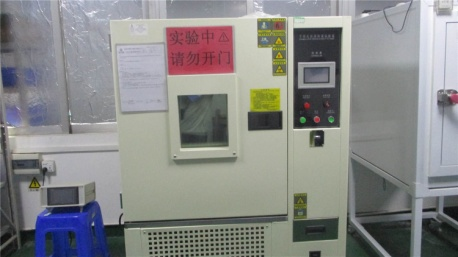
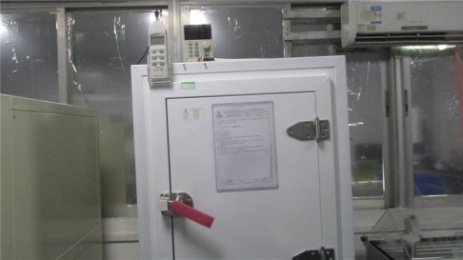
Metrology Lab & QA Protocols: Guaranteeing a 25-Year Service Lifetime
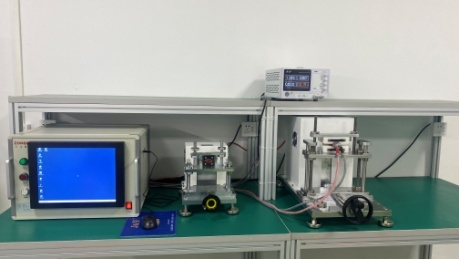
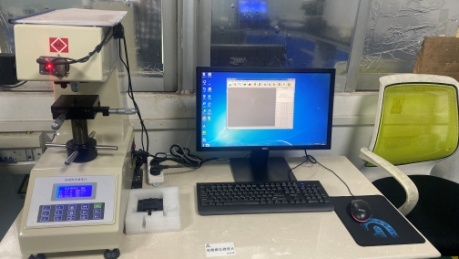
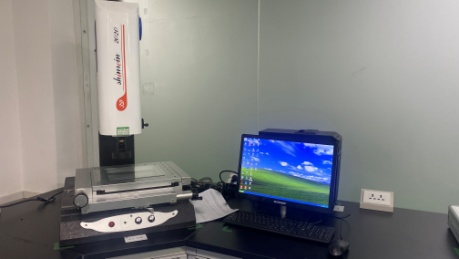
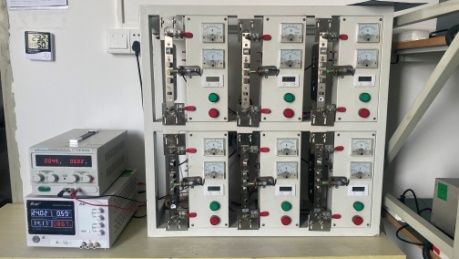
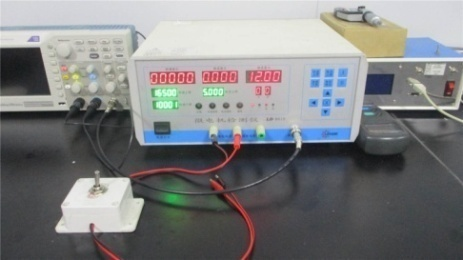
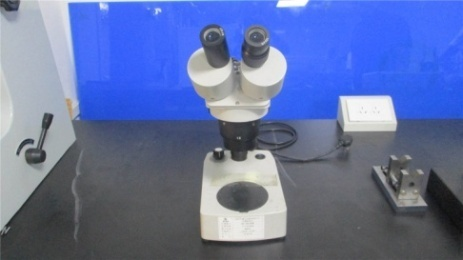
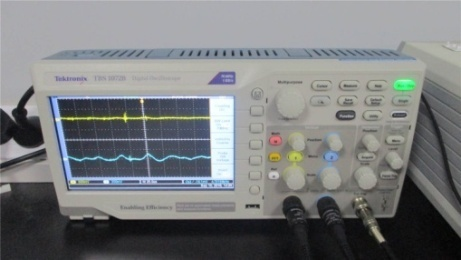
Before shipment, our gear motors are validated through physical, thermal, mechanical, and electrical testing. Below is the specialized equipment utilized in our quality control lab to ensure stability.
Technical Roadmap: The Future of Smart PV Actuator Engineering
As utility-scale tracking networks adopt artificial intelligence for real-time tracking optimization, drive units must adapt to support more frequent positioning adjustments.
1. Integration of Smart Sensors & IoT Telemetry
Next-generation tracking motors are shifting from simple positioning setups to integrated units featuring hall-effect sensors, thermal probes, and current monitors. These sensors record thermal variations, current anomalies, and cumulative backlash. This data is fed back to the plant's SCADA framework to enable predictive maintenance, preventing unexpected outages.
2. Tribological Advances in Lubrication
Standard industrial lubricants break down under constant thermal cycling and high UV exposure. Valex is currently developing fluorosilicone-based synthetic greases designed to maintain viscosity across a temperature range of -50°C to +110°C, reducing gear tooth friction and extending operating life.
3. Structural Integration of Gearboxes
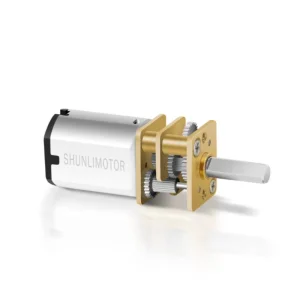
Integrating planetary and worm gears into unified hybrid drives provides high gear ratios in a compact footprint. This allows solar installations to handle higher wind and snow loads without increasing motor size.